
Last updated November 4, 2026
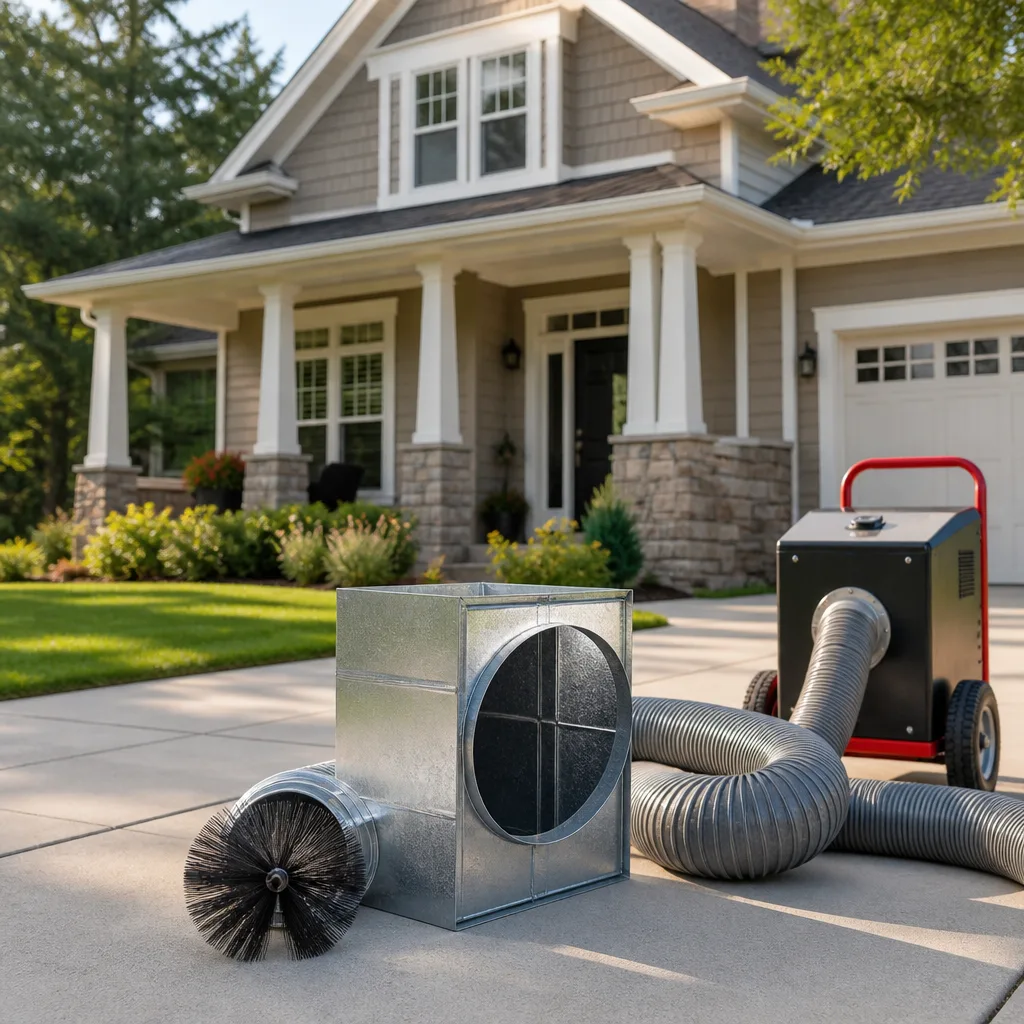 Whole-home duct cleaning
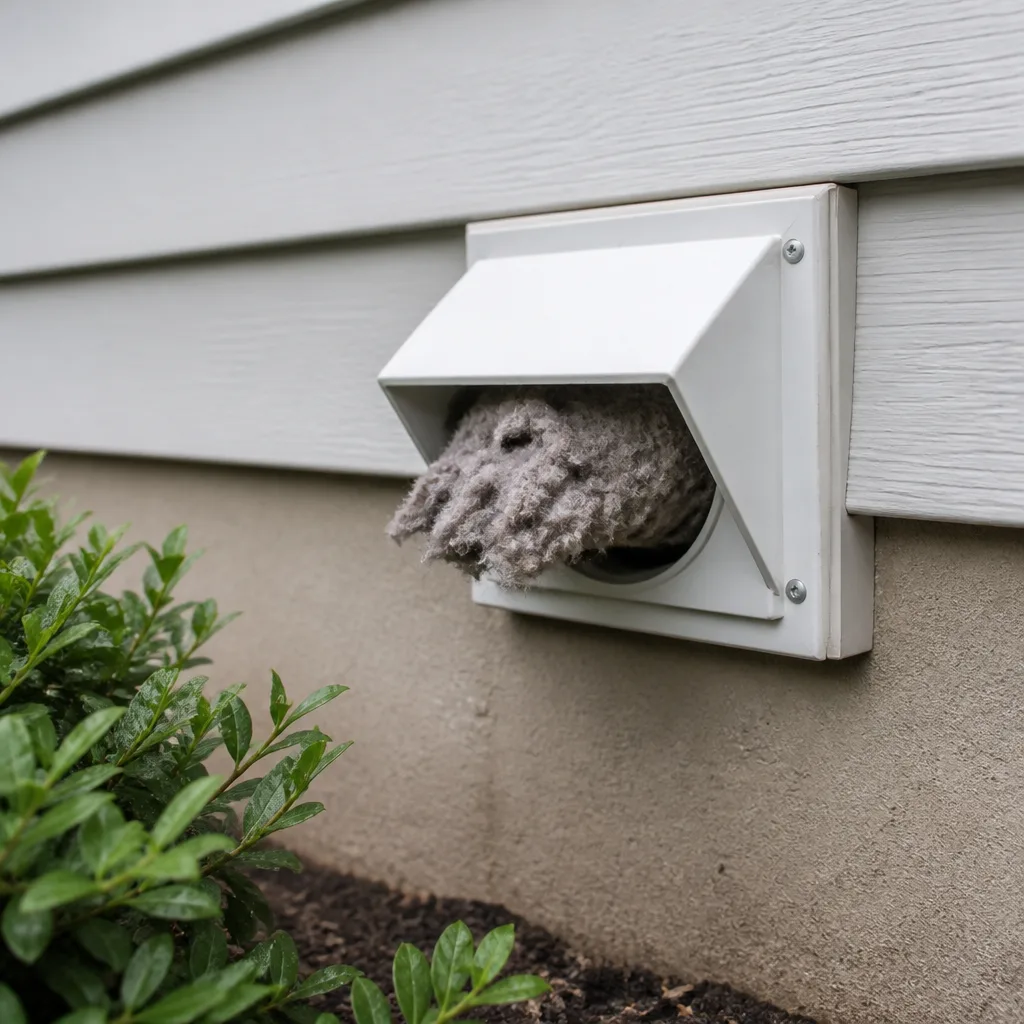 Dryer vent cleaning
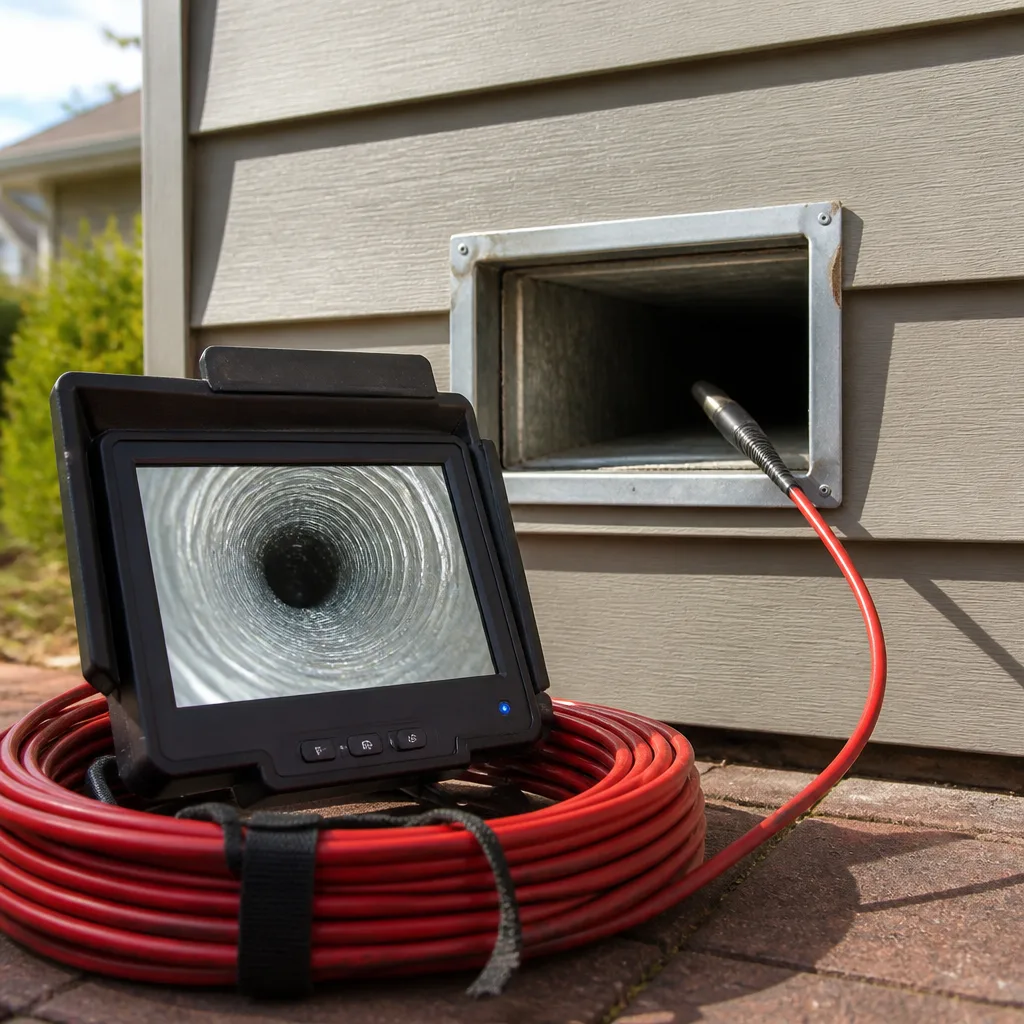 Camera inspection
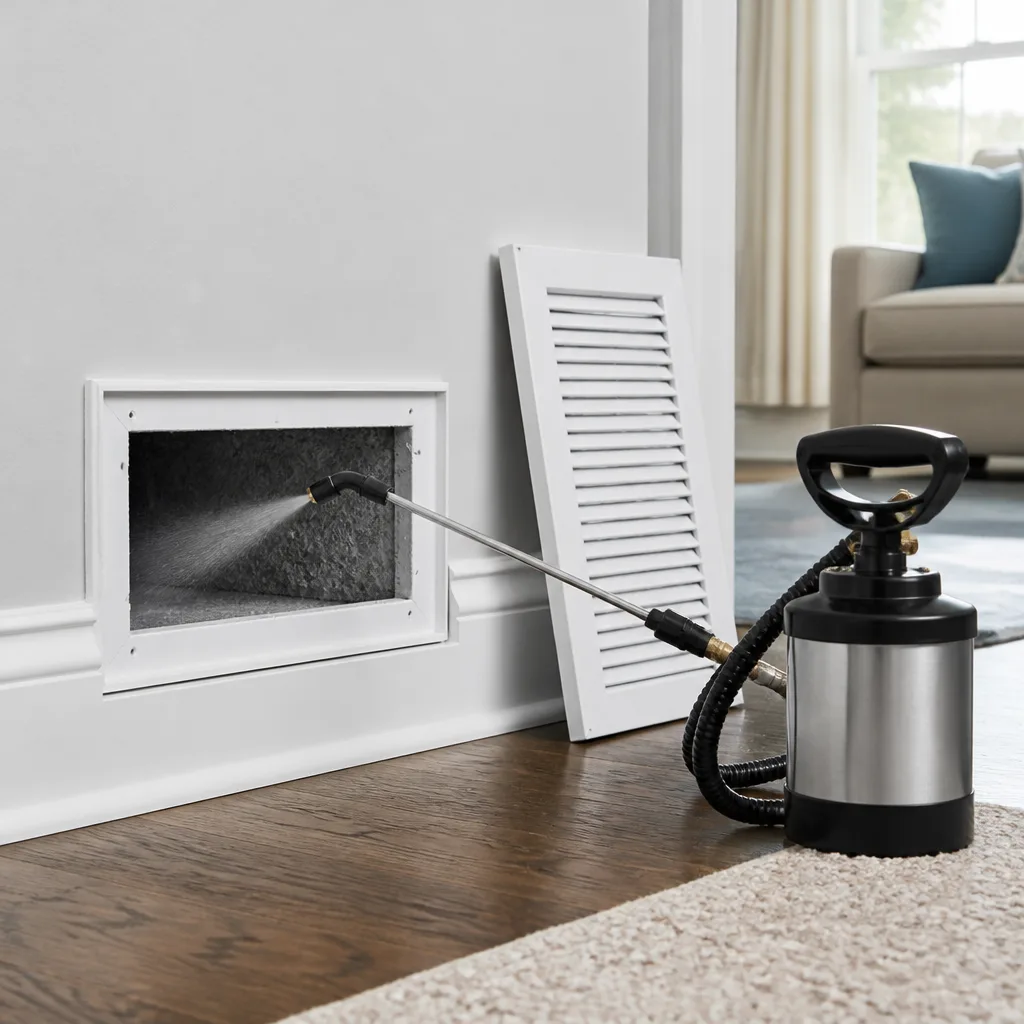 Sanitizing & deodorizing
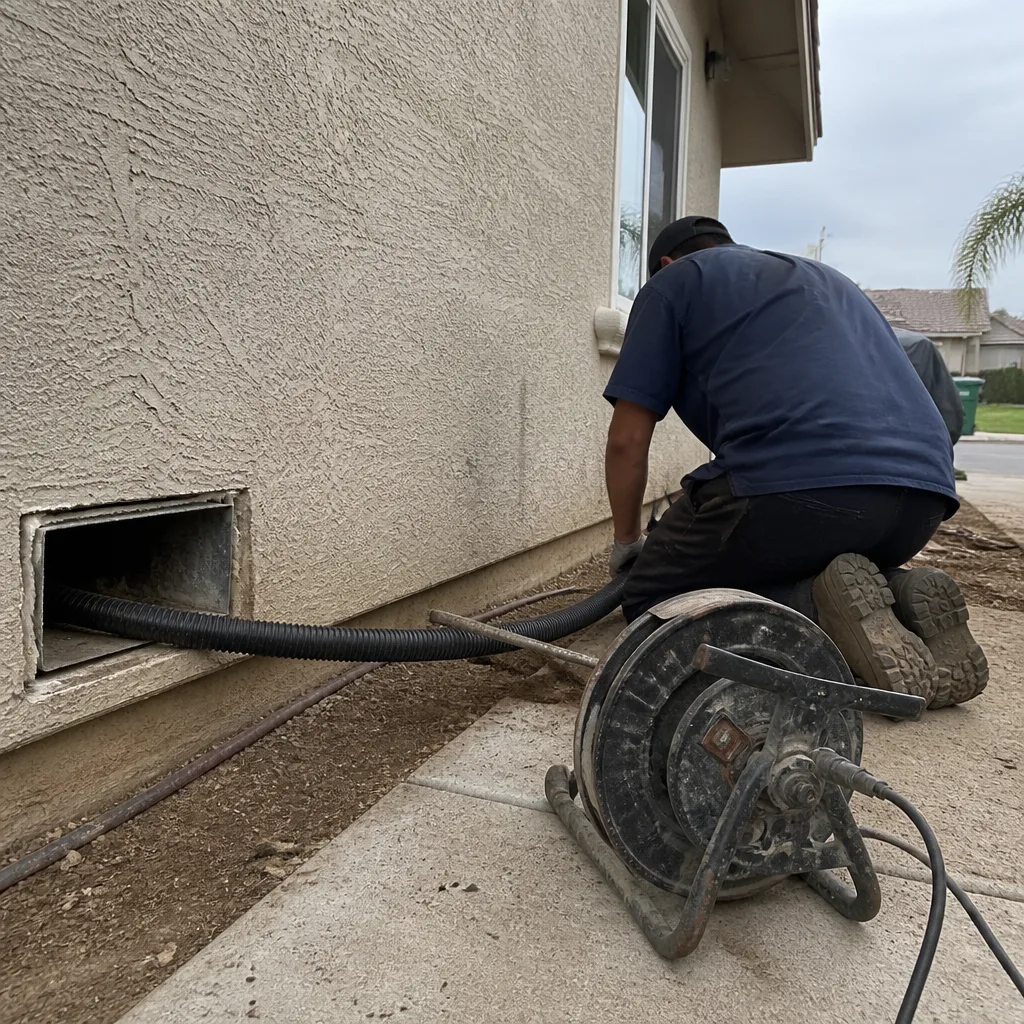
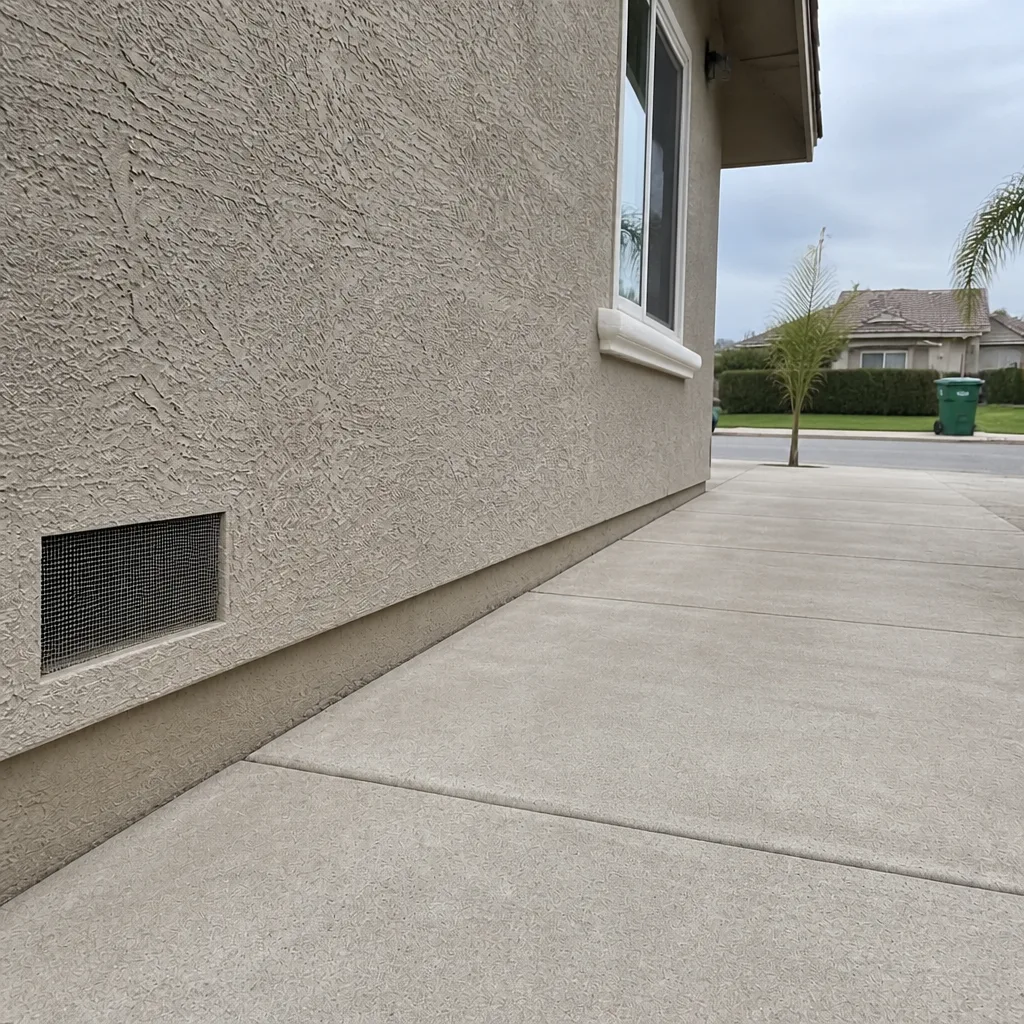
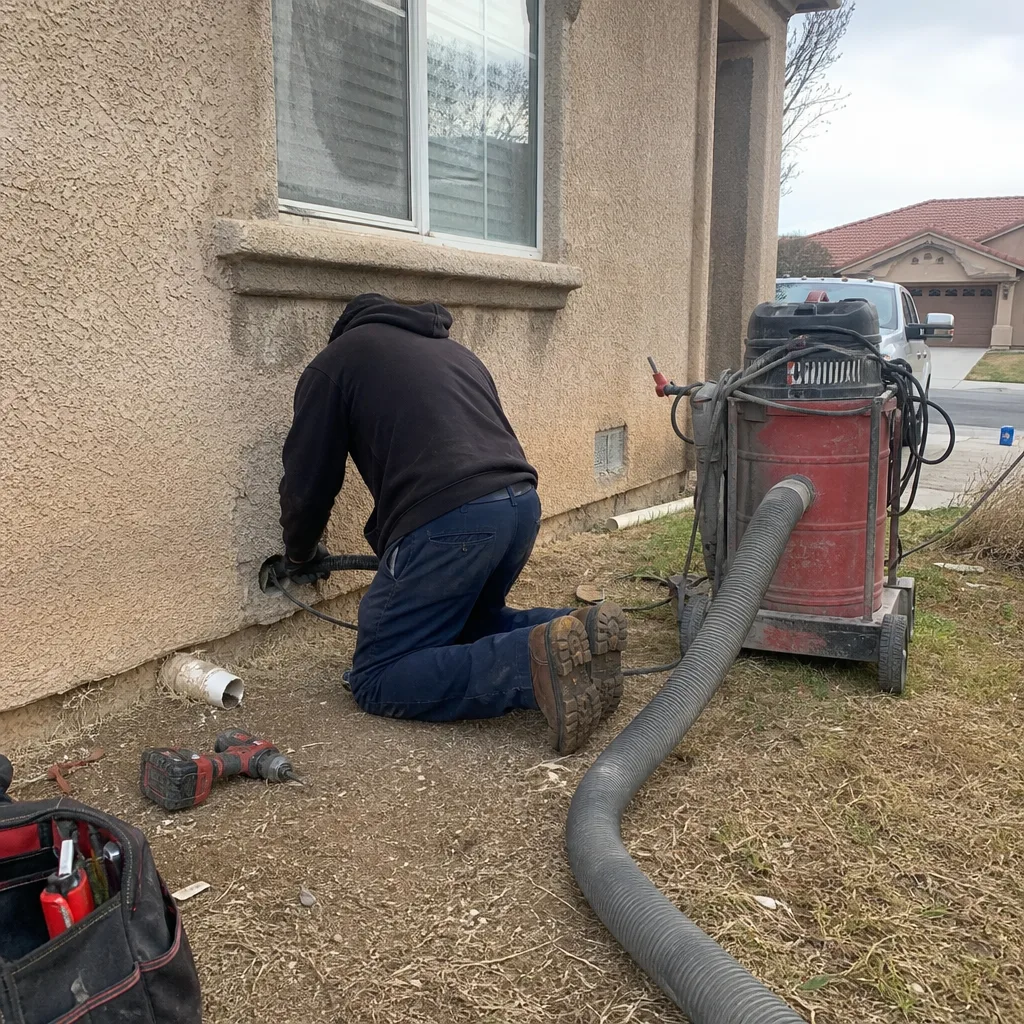
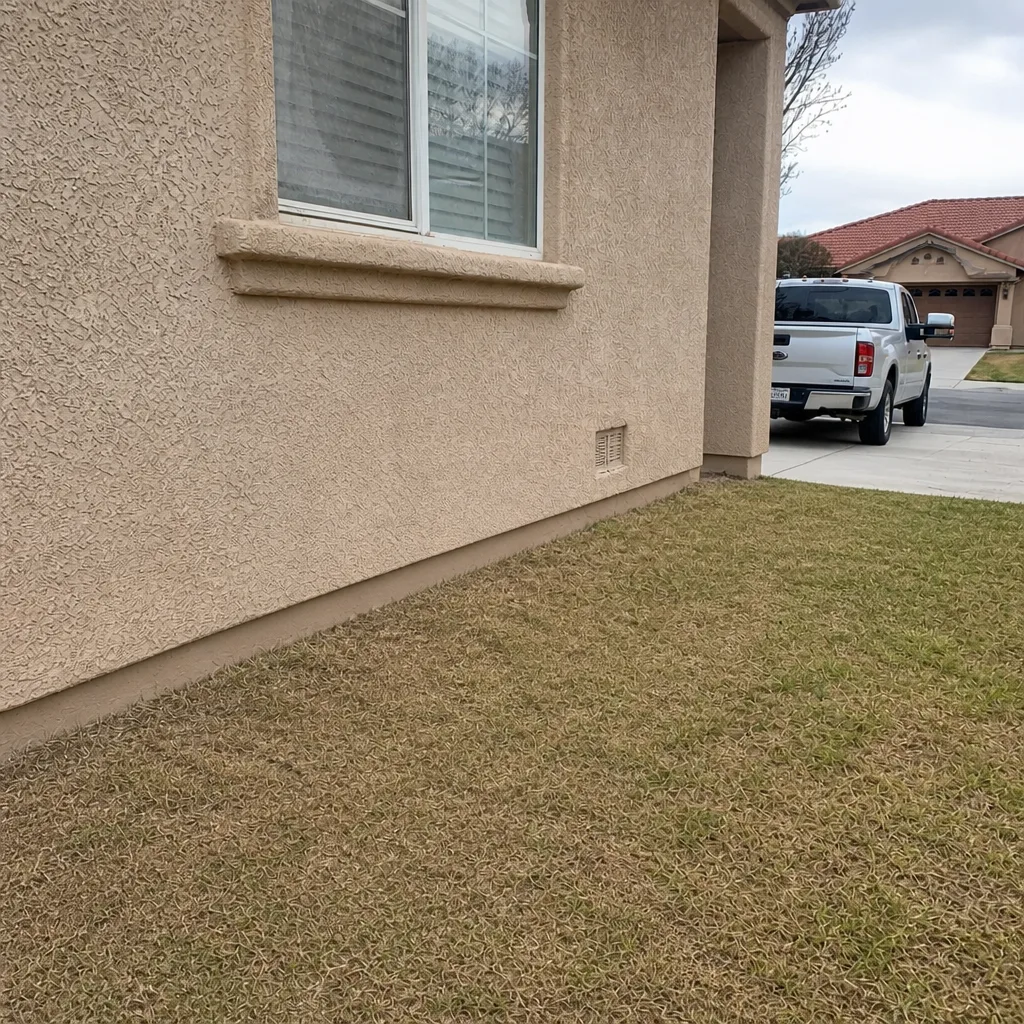
Whole-system duct and dryer vent check with before-and-after photos - you see exactly what came out of your vents
That "$99 whole-house special" is a bait ad - the real number appears once they are in your hallway, or the "clean" is a shop-vac at the register. We photograph the inside of your ducts before and after instead.
How to Hire an Air Duct Cleaning Contractor in Moreno Valley: A Step-by-Step Guide
Most homeowners assume that anyone who shows up to clean air ducts must be licensed, trained, and accountable. In California, that assumption is wrong. The state does not require a specific license to clean air ducts, which means anyone with a van and a shop vac can legally take your money and call the job done. In Moreno Valley, where coupon mailers and lowball online ads are common, the only real protection you have is knowing how to vet a contractor by their equipment, their process, and the details they can name when you ask. This guide walks you through exactly what to ask, what answers signal a serious operator, and what red flags should end the conversation before it starts.
Quick Answer
To hire an air duct cleaning contractor in Moreno Valley, ask five specific equipment and process questions: what vacuum unit they use and its CFM rating, whether they use a rotary brush or contact cleaning, how they create negative pressure, how they seal registers, and what their written estimate includes. A professional operator will name brands like Rotobrush or Nikro without hesitation, provide a line-item estimate for the whole system rather than a per-vent price, and show proof of general liability insurance. Skip any contractor who gives vague answers, quotes under $300 for a full home, or pressures you into mold remediation without documented evidence.
Styles & brands we work with
- Whole-home duct cleaning
- Dryer vent cleaning
- Camera inspection
- Sanitizing & deodorizing
Table of Contents
- Why California’s Licensing Gap Matters in Moreno Valley
- The Five Equipment Questions to Ask Before Booking
- How to Interpret What a Contractor Tells You
- What a Legitimate Written Estimate Should Include
- Red Flags Specific to the Inland Empire Market
- How to Verify Insurance and What Coverage Actually Matters
- A Step-by-Step Hiring Process for Moreno Valley Homeowners
- Common Mistakes to Avoid
- When to Call a Professional
- Frequently Asked Questions
Why California’s Licensing Gap Matters in Moreno Valley
California’s Contractors State License Board regulates many home improvement trades, but air duct cleaning falls into a regulatory gray area. No state-issued license exists specifically for duct cleaning, which is why you see such a wide range of operators in Moreno Valley: HVAC companies with trained technicians, dedicated duct cleaning firms with professional equipment, and one-person operations working out of a pickup truck with consumer-grade tools. All three can legally accept your payment.
This is not a reason to avoid duct cleaning. It is a reason to change how you evaluate who you hire. In a licensed trade, the license does some of the screening for you. Here, you have to do that screening yourself, and the most reliable way is to ask specific questions about equipment and process. A contractor who invested in professional-grade tools can tell you exactly what they are. A contractor who bought a shop vac at a hardware store will give you vague answers or change the subject to price.
Moreno Valley’s housing stock makes this screening especially relevant. Many homes here were built during the rapid Inland Empire expansion of the 1980s and 1990s, which means duct systems are now thirty to forty years old. Older systems accumulate fine dust, pet dander, and construction debris that newer systems simply have not had time to collect. Add the high-desert climate, with its long dry seasons and occasional Santa Ana wind events that push fine particulate through window seals and door frames, and you get duct systems that hold more than homeowners expect. That means the work needs real equipment, not a consumer vacuum.
We have spent the last ten years working in and around Moreno Valley, and the difference between a professional job and a surface-level wipe-down is visible to anyone who knows what to look for. The sections below give you that same lens.
The Five Equipment Questions to Ask Before Booking
These five questions are the core of any vetting process. Ask them in order. The answers, not the tone of voice, tell you what you need to know. A serious contractor answers all five in under five minutes. A contractor who stalls on the first two is not worth the rest of the call.
- What vacuum unit do you use, and what is its CFM rating?
CFM stands for cubic feet per minute, and it measures how much air the vacuum moves. Professional duct cleaning requires a vacuum that moves enough air to pull debris out of the duct system while the agitation tool loosens it. Purpose-built units from manufacturers like Nikro and Abatement Technologies are engineered for this exact job. If a contractor cannot tell you the brand or the CFM rating, they are probably using a consumer shop vac, which lacks the airflow to do anything beyond the first few feet of duct near the register. - Do you use a rotary brush system or contact cleaning?
Rotary brush systems spin a brush through the duct to physically dislodge debris from the duct walls. Contact cleaning means the brush touches the duct surface, which is what actually removes stuck-on dust and debris. A Rotobrush system, for example, is designed specifically for this purpose. If a contractor talks only about “blowing air” through the ducts or “vacuuming the registers,” they are not describing mechanical agitation of the duct walls. That is a partial job. - How do you create negative pressure in the duct system?
Proper duct cleaning keeps the system under negative pressure while agitation happens. Negative pressure means the vacuum is pulling air out of the ducts faster than it is being pushed in, which prevents dust and debris from escaping into your living space during the job. Professional setups connect a high-CFM vacuum to the duct trunk line, seal the registers, and keep the system under suction throughout. If a contractor describes their process and never mentions negative pressure or containment, they are not doing the job the way the industry standard describes it. - What is your process for sealing registers during cleaning?
Sealing registers, or closing them off in a controlled sequence, directs the airflow through the system so the vacuum pulls from the right places at the right times. It is a basic part of professional process. If a contractor says they “just vacuum each register one by one,” that is a red flag. The vacuum needs to be attached to the system, not just held up to a vent opening. - What does your written estimate include, and what is excluded?
This question comes before you book, not after the crew arrives. A legitimate written estimate lists the scope of the system: linear feet of duct, number of zones or access points, the equipment being used, and what the price covers. It also states what is not included, like repair work or additional services. We’ll go deeper on this in the estimate section below, but the short version is: no written estimate, no booking.
We use professional-grade equipment on every job we do in Moreno Valley because the work demands it. An air duct cleaning job done with consumer tools is not the same service at a lower price. It is a different service entirely, and it usually leaves the most important parts of the system untouched.
How to Interpret What a Contractor Tells You
Once you ask the five questions, you need to know how to weigh the answers. The key distinction is specificity. Professional contractors operating in Moreno Valley should be able to name the brands and technical details of their equipment the way a mechanic can tell you what diagnostic scanner they use. Vague language is the signal that matters most.
Here is a quick guide to what answers suggest:
- Specific brand names (Rotobrush, Nikro, Abatement Technologies): This signals professional investment. These are not consumer brands. You cannot buy them at a home improvement store. Owning them means the contractor spent real money on tools built for this specific job, which also means they are likely to stand behind the work.
- Generic answers (“industrial equipment,” “professional tools,” “commercial-grade”): This almost always signals consumer gear. If a contractor cannot name the tool, it is because the name would not impress you. A true commercial setup has a brand and a model line, and the contractor knows both.
- Answers that pivot to price or speed: When a contractor responds to an equipment question with “we’re really affordable” or “we can be there this afternoon,” they are avoiding the question. Equipment and process are what determine whether the job works. Price and speed do not answer whether they can actually clean the ducts.
- Answers that mention mold immediately: If the conversation shifts quickly from equipment to mold testing or remediation, be careful. Mold is real and some homes do have it, but pushing mold services before anyone has looked at the ducts is a known upselling tactic in this industry. We will cover this more in the red flags section.
For homeowners in Moreno Valley, this level of scrutiny matters because the market here is saturated with low-bid operators who rely on customer unfamiliarity. When someone asks a question that should be routine and the answer is not clear, that is not a failure of the question. That is the vetting process working.
What a Legitimate Written Estimate Should Include
The written estimate is where most of the bait-and-switch tactics in this industry show up. A professional estimate is specific. A low-bid estimate is vague because vagueness is what allows the price to grow once the crew is standing in your living room.
A legitimate written estimate for a Moreno Valley home should include:
- Scope of the system: linear footage of ductwork or a zone count that corresponds to your actual home. For a typical Moreno Valley single-family home, that might mean a main trunk line plus branch runs to each room. The estimate should reflect what is actually in your attic or crawlspace, not a generic guess.
- Equipment list: the vacuum unit, agitation system, and any filtration equipment the crew will use. This is not an unreasonable request. You are hiring the equipment as much as you are hiring the people.
- Access points: how the crew will access the duct system, whether through the return, the supply plenum, or newly cut access openings, and who is responsible for sealing those openings afterward.
- What is excluded: repair work, dryer vent cleaning, sanitizing treatments, or anything else that is not part of the base price. Exclusions are normal. What matters is that they are stated in writing before you agree to anything.
- Total price: a flat number for the whole system, not a starting price that can change.
And here is the number that matters most: any estimate under $300 for a full Moreno Valley home should be treated with deep skepticism. A full duct cleaning on a typical home takes hours, requires professional equipment, and involves multiple steps of setup, cleaning, and reassembly. A $199 or $249 offer almost certainly excludes critical steps, like the trunk line, the return side, or the actual agitation of duct walls. The low price gets the crew in the door. The upsell happens after they show you what the “basic” package does not cover.
The better approach is to ask for one flat price for the entire system, stated in writing before the work begins. That number should include everything: agitation, negative pressure, register sealing, and whatever access the job requires. If a contractor will not put a total price in writing, walk away.
Red Flags Specific to the Inland Empire Market
Moreno Valley sits inside a larger Inland Empire market that has developed its own patterns of questionable contractor behavior. These are not hypothetical warnings. They show up regularly in this area, and homeowners who know about them are far less likely to get burned.
- Out-of-area phone numbers routing to local subcontractors: A contractor with a Los Angeles or Orange County phone number who advertises in Moreno Valley is often running a lead-generation operation. They sell your job to whoever will take it locally, and that person has no relationship with the company you originally called. Ask directly: “Will the person I’m speaking with be the person doing the work?” If the answer is no or unclear, keep looking.
- Bait-and-switch per-vent pricing that escalates on-site: This is the classic duct cleaning scam, and it works like this: the ad promises a low per-vent price, like $9.95 per vent. Your home has 10 vents, so you think you’re paying about $100. Then the crew arrives and tells you the price only covers the vents themselves, not the trunk line, the return, the air handler, or the access work. Suddenly the real price is $700. Legitimate Duct Cleaning Moreno Valley contractors price the whole system, not individual vents, and the price is flat.
- Pressure to add mold remediation without documented evidence: Mold exists in many duct systems, but the standard for recommending remediation is evidence: visible growth, documented moisture, or test results. A contractor who opens a vent, says “that’s mold,” and quotes a remediation price on the spot is not doing you a favor. Ask for documentation. Ask for the test. If the answer is “you just need to trust me on this,” do not.
- No proof of insurance when asked: A contractor who cannot produce a certificate of insurance when you ask for one is not insured. This is not complicated. General liability insurance for in-home work is standard for serious operators, and they can show you the certificate in minutes. Anyone who hesitates is telling you something.
- Crews that are day-labor subcontractors rather than W-2 employees: This one takes a little digging, but it matters. A contractor who sends a different crew every time, with no consistent training or accountability, is not a service company. They are a dispatcher. Ask who will be in your home and whether they are employees or subcontractors. The answer tells you a lot about how much the company actually controls the quality of the work.
These red flags are more common in the Inland Empire because the market is large, the housing stock is dense, and the barrier to entry is almost nonexistent. The same forces that make Moreno Valley a great place to own a home also make it a target-rich environment for low-effort operators. Screening out the bottom of the market is not paranoia. It is basic due diligence.
How to Verify Insurance and What Coverage Actually Matters
Insurance verification is the part of hiring that most homeowners skip because it feels administrative. In duct cleaning, it is one of the few external checks you can actually perform, and it takes about ten minutes. Do not skip it.
What you are verifying is general liability insurance. This covers damage to your home caused by the contractor’s work. Duct cleaning involves running equipment through your attic or crawlspace, cutting access holes in ductwork, and working around your HVAC system. Things can go wrong. A broken duct joint, a damaged plenum, or a torn insulation jacket can all happen during a legitimate job. General liability insurance is what pays to fix that damage if it does.
The two things that matter most when you verify insurance are:
- The coverage limits are appropriate for in-home work. You do not need to understand every line of the policy, but the liability limit should be high enough to cover real damage. Ask the contractor what their general liability limit is. A serious operator knows this number without looking it up.
- The policy is current and names the company you are actually hiring. Ask for a certificate of insurance, called a COI, and look at the dates. An expired COI or one that names a different company name than the one on the estimate is a red flag.
The second question, about whether the crew is W-2 employees or day-labor subcontractors, matters for a different reason: accountability. An employee is trained, supervised, and answerable to the company whose name is on the truck. A day-labor subcontractor may be competent or may not be, but the company sending them has less control over the quality of the work and less incentive to fix problems that arise. Ask who will actually be in your home and what their relationship is to the company. The answer is part of your hiring decision.
Vet the insurance. Ask about the crew. Then you can talk about scheduling. In our experience, Moreno Valley homeowners who ask these two questions end up with better outcomes than those who skip straight to price, because they have already filtered out the operators who could not answer them.
A Step-by-Step Hiring Process for Moreno Valley Homeowners
Here is the process end to end, from first contact to finished job. You can follow it in order, and each step builds on the last.
- Collect three estimates, but do not just compare prices. Call three contractors and ask the five equipment questions from earlier in this guide. Make notes on who gives specific answers and who gives vague ones. Price matters, but it is the last filter, not the first.
- Request written estimates from the contractors who pass the equipment test. A professional estimate is specific: system scope, equipment list, access points, exclusions, total price. If anyone refuses to put a total in writing, drop them.
- Verify insurance before you book anything. Ask for a certificate of insurance and confirm it is current. Ask whether the crew is W-2 employees or subcontractors. This is a ten-minute step that eliminates a meaningful chunk of the risk.
- Ask about dryer vent cleaning separately. dryer vent cleaning is a different service than air duct cleaning, and it matters for fire safety, not just airflow. Ask whether the contractor offers it and whether it is included or separate. A company that handles both can address the full system in one visit.
- Book the job and confirm the morning-of plan. Confirm the crew size, the estimated time on site, and what you need to do before they arrive, like clearing access to the furnace closet or moving furniture away from registers. The more specific the contractor is about this, the more organized the operation.
- Ask for before-and-after documentation. A professional contractor can show you what the inside of your ducts looked like before and after the work. This is not a luxury. It is the only way for you to verify that the job actually happened the way the estimate described. Ask for photos or video of the duct interior, not just the registers.
- Do a post-job walkthrough. When the crew finishes, walk the house with them. Look at the access points. Check that registers are back in place. Ask what they found in the ducts. A professional crew expects this and can answer questions about what came out of the system.
This process takes more time than booking the first coupon deal you see, but the payoff is a job that actually addresses your duct system rather than a surface cleaning that leaves the trunk line untouched. Moreno Valley homeowners who follow it tend to end up with cleaner ducts, fewer surprises, and a contractor they would call again.
Common Mistakes to Avoid
- Hiring based on price alone. The lowest bid in duct cleaning is almost never the same service at a better price. It is a narrower scope of work designed to get a crew in the door. Hire on equipment and process first, then compare prices among the contractors who passed that test.
- Skipping the insurance check. Ten minutes on the phone to verify a certificate of insurance can save you thousands if something goes wrong during the job. Serious operators expect this question and answer it immediately.
- Accepting a per-vent quote. Per-vent pricing is the structure that makes bait-and-switch possible. Insist on one flat price for the whole system, stated in writing before the work begins.
- Not asking about equipment brands. The single most revealing question you can ask is “what vacuum unit do you use?” The answer, or the lack of one, tells you more than any review or price point.
- Believing a clean-looking register means the ducts are clean. The register is the last six inches of the system. The trunk line, the return, and the branch runs are what actually move air through your home. A job that only addresses the registers is not a duct cleaning.
- Skipping dryer vent cleaning because the dryer seems to work fine. Lint buildup in the dryer vent is a fire hazard, and it accumulates even when the dryer still dries clothes. The two services are related but separate, and a home with clogged ducts often has a clogged dryer vent too.
- Letting a contractor pressure you into same-day decisions. Any contractor who insists you must book today to lock a price, or adds mold remediation pressure during the estimate, is using urgency as a sales tool. A legitimate operator gives you a written estimate and lets you think about it.
When to Call a Professional
You should call a professional duct cleaning contractor when you notice visible dust buildup around your registers, when your home accumulates dust unusually quickly after cleaning, when allergy symptoms worsen inside the house, or when you have recently completed a renovation that generated drywall dust or construction debris. Pet owners and homeowners in older Moreno Valley homes with original ductwork should also consider an inspection even without obvious symptoms, since duct problems are often invisible until airflow is already compromised.
If you are not sure whether your ducts need attention, a professional can inspect the system and tell you what is actually there. Duct Cleaning Moreno Valley offers free estimates in Moreno Valley. Call (877) 387-1334 to schedule yours. We answer 24/7. Fast dispatch from 7am to 7pm, Sunday through Friday.
Frequently Asked Questions
For a full Moreno Valley home, expect to pay a few hundred dollars or more for a legitimate whole-system cleaning that includes the trunk line, return, and branch runs. Any estimate under $300 for a full home almost certainly excludes critical steps, like the actual agitation of duct walls or the return side of the system. The written estimate should give you one flat price for the entire system. Call (877) 387-1334 for an exact quote. Estimates are free.
Cheap quotes usually reflect a narrower scope of work, not a better deal. A low per-vent price often excludes the trunk line, the return, or the access work required to reach them, which means the price grows once the crew arrives. Professional-grade equipment costs real money, and that investment shows up in the price. If a quote is dramatically lower than every other estimate you collect, ask what it excludes.
Ask for before-and-after photos or video of the duct interior, not just the registers. A professional contractor can show you what the inside of the ducts looked like before and after the job. You can also ask what debris came out of the system and where the crew found the heaviest buildup. If a contractor cannot or will not show you evidence of the work, that is a problem.
No, California does not require a specific license to clean air ducts. This is why vetting by equipment and process matters so much in Moreno Valley. Without a licensing requirement, the responsibility falls on you as the homeowner to screen contractors by asking about their vacuum unit, agitation method, negative pressure, and register sealing process.
No, they are separate services that address different parts of your home. Air duct cleaning covers the HVAC duct system that moves heated and cooled air through the house. Dryer vent cleaning removes lint from the vent that exhausts your clothes dryer, and it is a fire-safety service, not just an airflow improvement. A full-scope contractor offers both, which means one company can address the entire system in one visit.
Most homes benefit from air duct cleaning every three to five years, though homes with pets, recent renovations, or allergy-sensitive occupants may need it more often. Moreno Valley’s dry climate and occasional Santa Ana winds can push fine particulate into homes, which settles in the duct system over time. If you have never had the ducts cleaned in an older home, the first cleaning is often the most significant. Call (877) 387-1334 for a free estimate and we can assess what your specific system needs.
The Bottom Line
Hiring an air duct cleaning contractor in Moreno Valley is not about finding the lowest price or the best-reviewed ad. It is about asking five specific questions, verifying insurance, and insisting on a written estimate that covers the whole system at one flat price. The contractors who pass that screen are the ones with professional equipment and real process. The ones who do not are the ones you walk away from. Do the screening, ask for documentation, and you will end up with a duct system that is actually clean, not just advertised as clean.
Written by the team at Duct Cleaning Moreno Valley, serving Moreno Valley since 2016.
See the difference
 Before
 After
 Before
 After
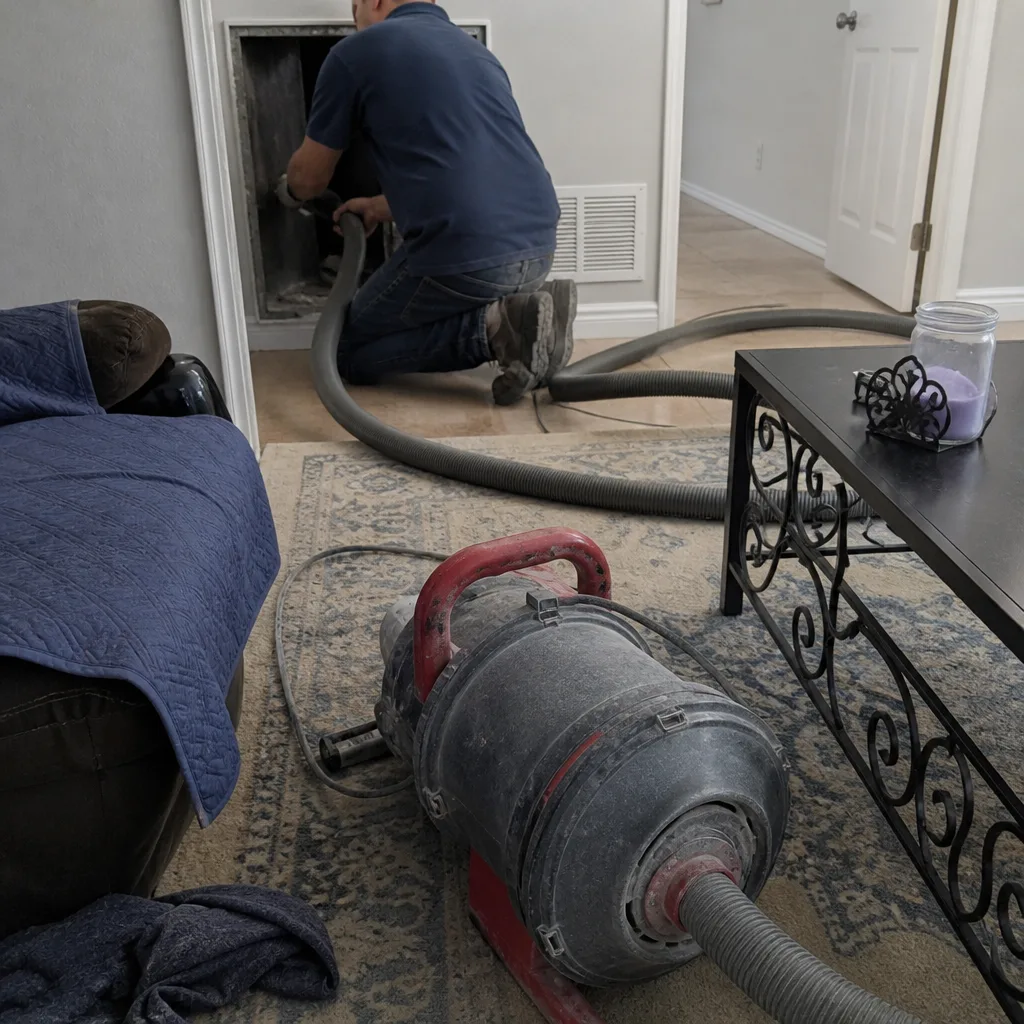 Before
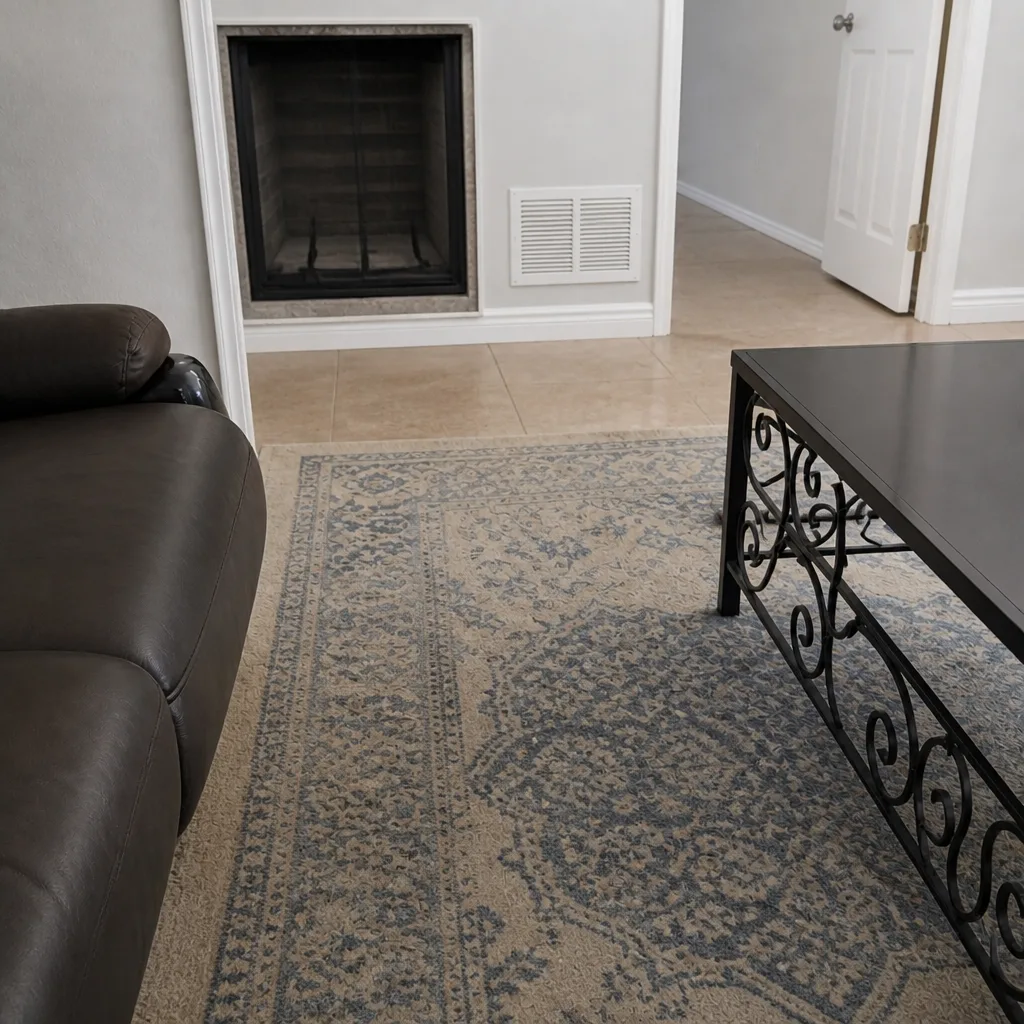 After