
Last updated November 4, 2026
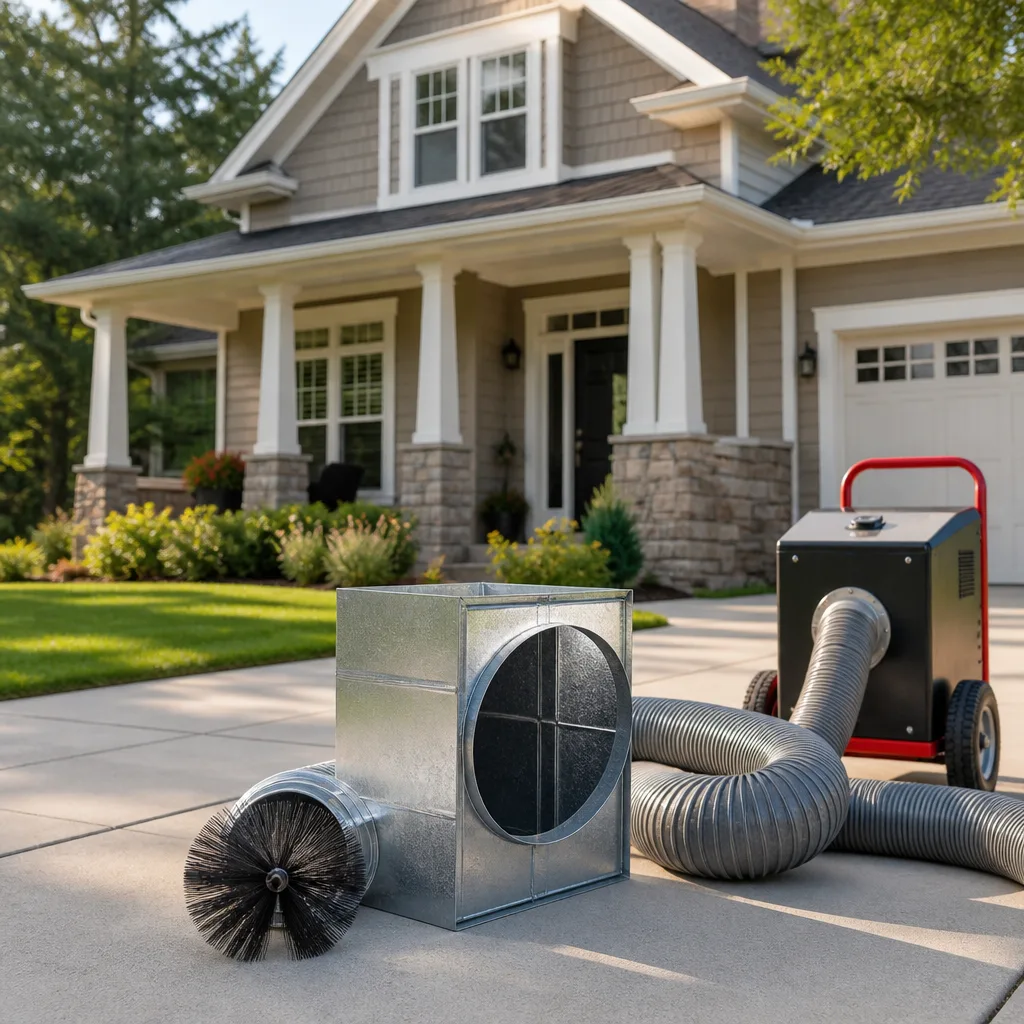 Whole-home duct cleaning
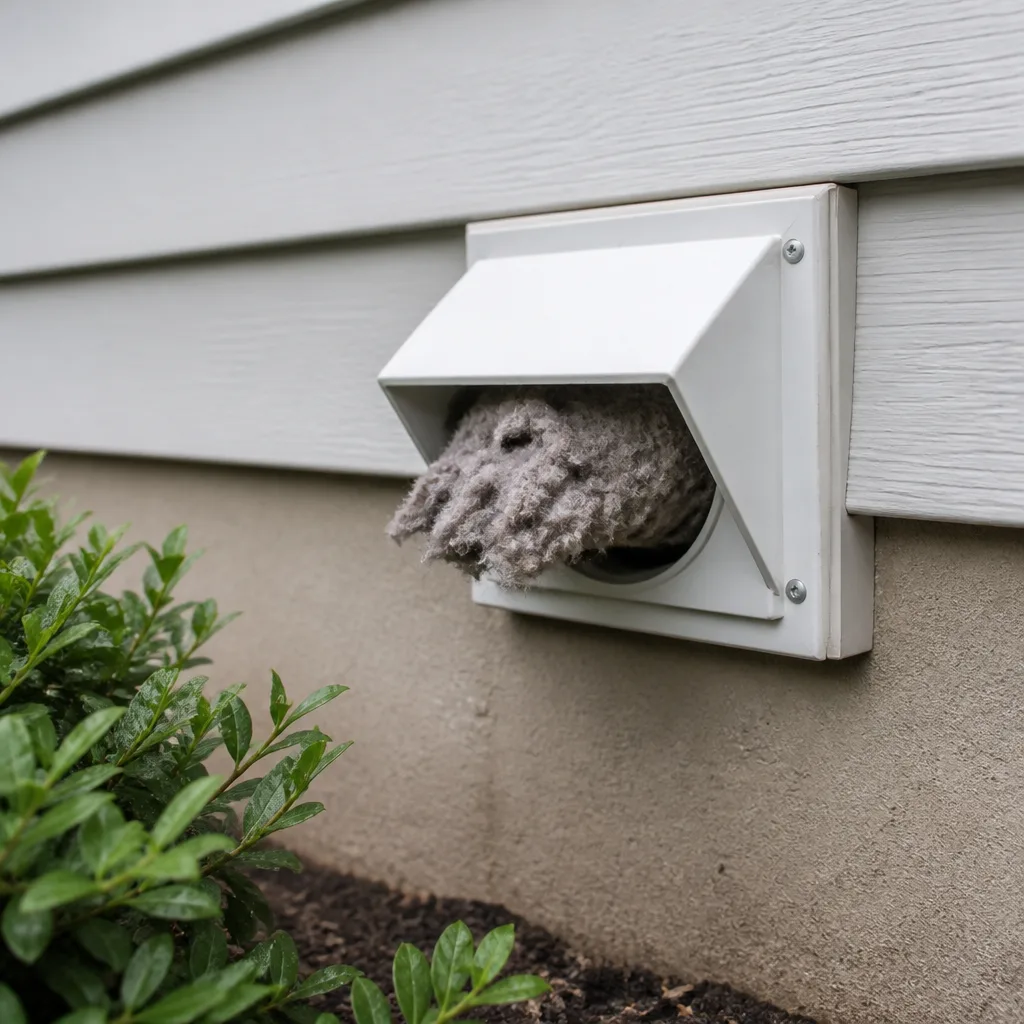 Dryer vent cleaning
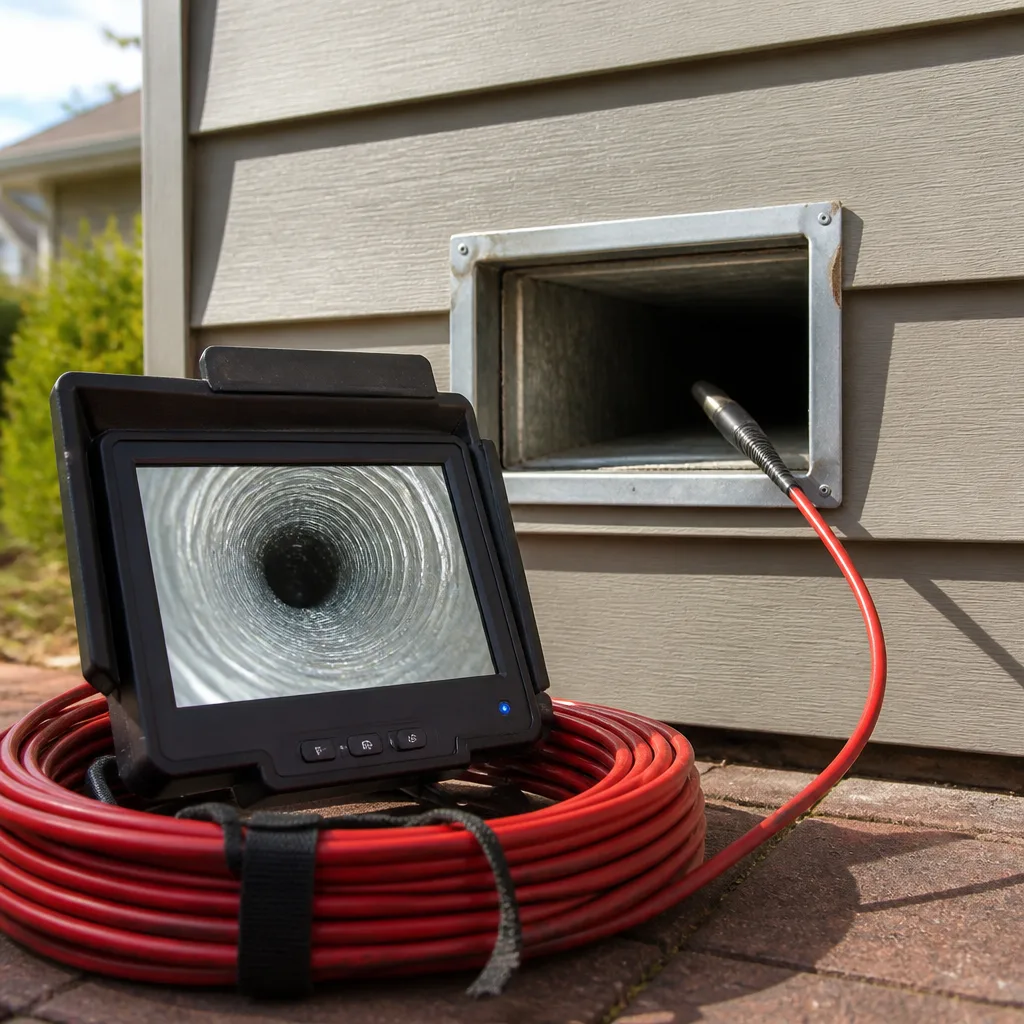 Camera inspection
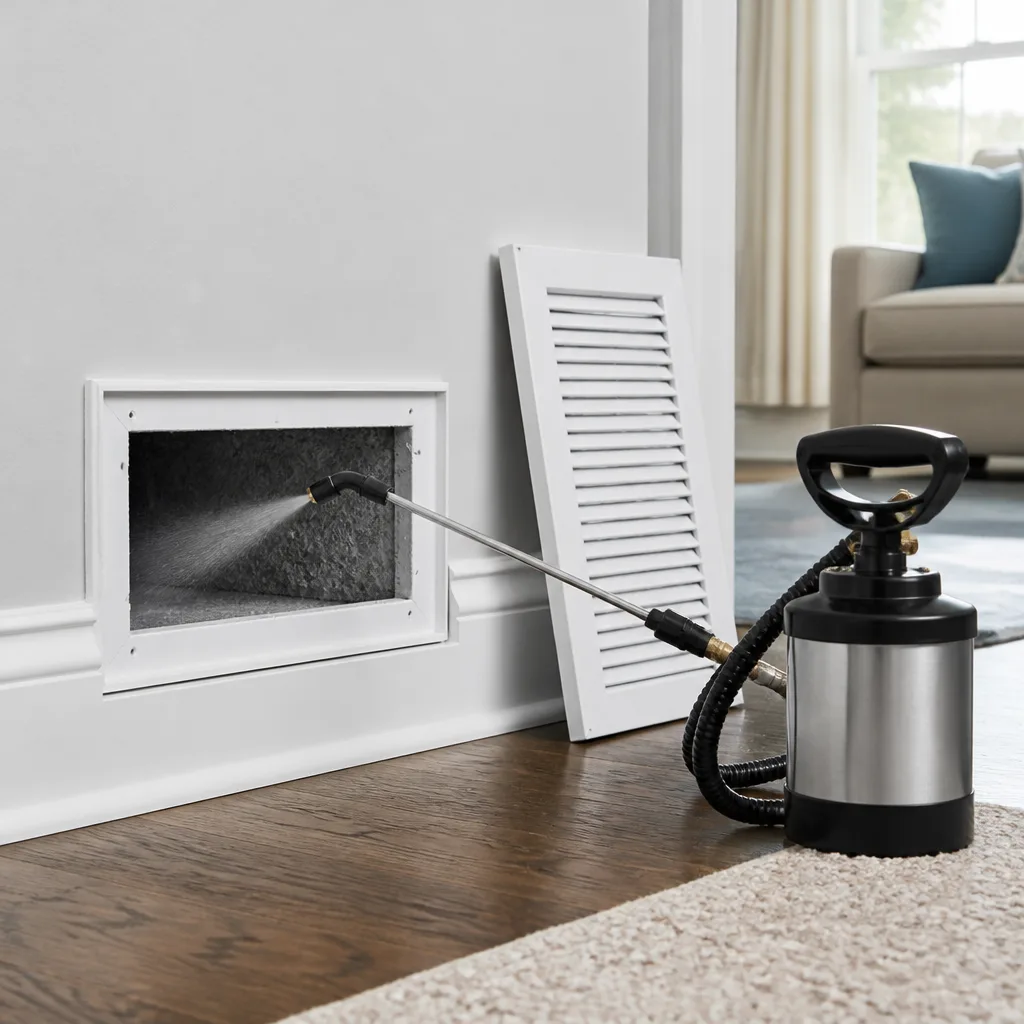 Sanitizing & deodorizing
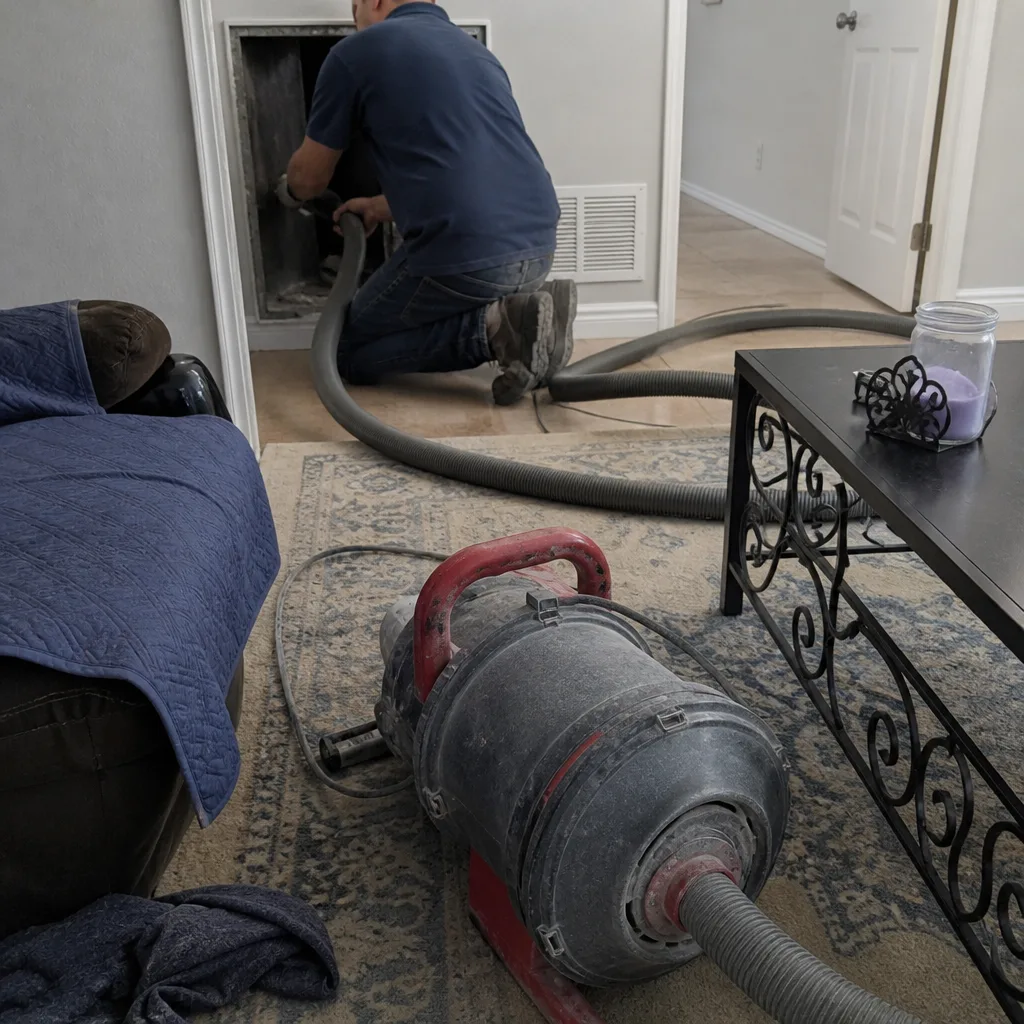
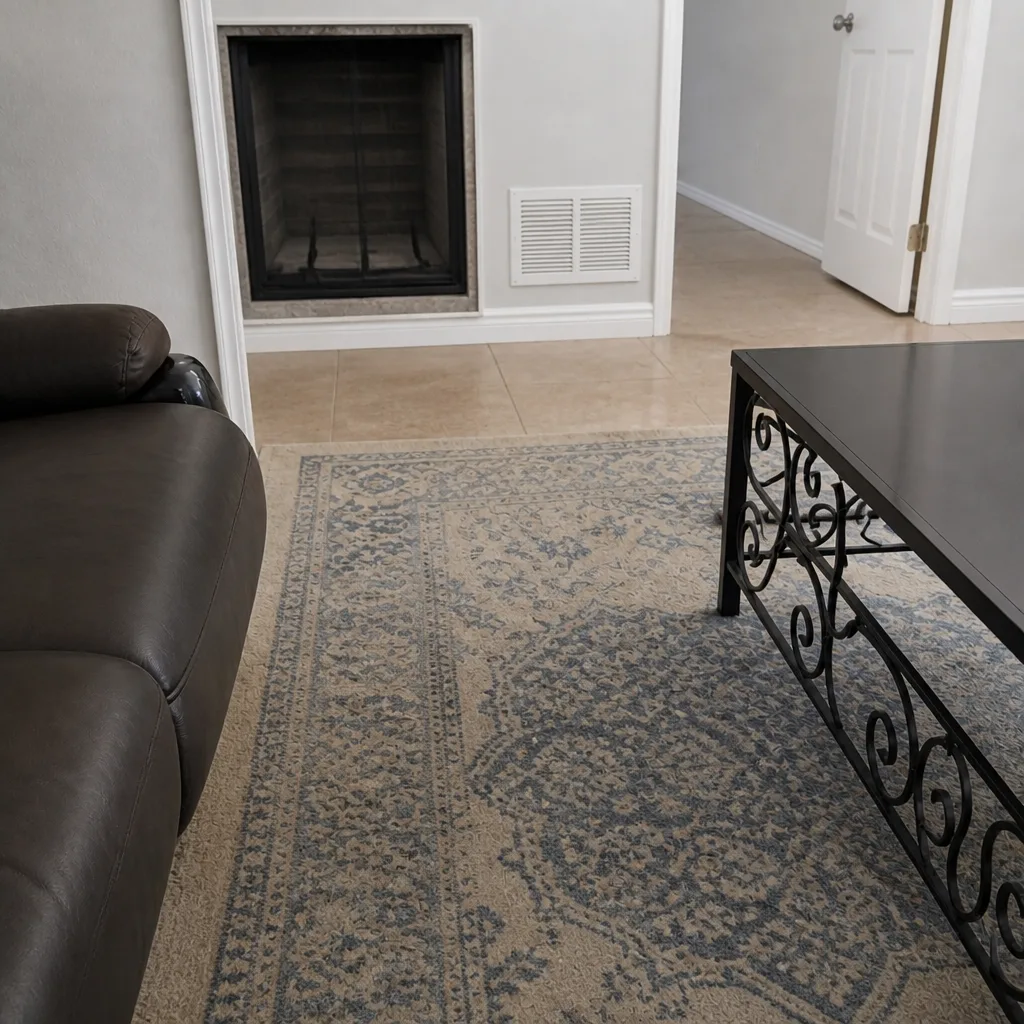
Whole-system duct and dryer vent check with before-and-after photos - you see exactly what came out of your vents
That "$99 whole-house special" is a bait ad - the real number appears once they are in your hallway, or the "clean" is a shop-vac at the register. We photograph the inside of your ducts before and after instead.
Air Duct Cleaning Emergency Preparedness Guide for Moreno Valley Homes
Most Moreno Valley homeowners think about air duct cleaning as routine maintenance, something you schedule every few years when you remember. But the real reason to understand your duct system before an emergency is that the decisions you make during the first 48 hours after a wildfire smoke event or earthquake determine whether you’ll need a standard cleaning or a far more involved remediation. Once smoke particulate settles into fiberglass duct liners or a seismic shift disconnects a furnace flue, the problem stops being about dust and becomes a safety issue. This guide walks through the two emergency scenarios that actually threaten Moreno Valley homes, what to do before they happen, what to inspect after, and how to document everything for an insurance claim if you need one. It’s built for homeowners who want a plan, not a panic.
Styles & brands we work with
- Whole-home duct cleaning
- Dryer vent cleaning
- Camera inspection
- Sanitizing & deodorizing
Quick Answer
Emergency preparedness for your air ducts in Moreno Valley means three things: upgrading filtration to MERV-13 minimum before wildfire season, knowing how to shut your HVAC system down correctly during an active smoke event, and completing a structured post-event assessment that checks both contamination and seismic damage before you run the system again. Professional duct cleaning after a smoke event is not the same as routine cleaning, because smoke particulate bonds differently to duct surfaces than household dust. After an earthquake, inspect flex duct collar connections, plenum joints, and the furnace flue before restarting the system, and photograph every anomaly before you touch anything if you plan to file a claim.
Table of Contents
- Wildfire Smoke and Your Duct System: What Actually Happens
- Pre-Wildfire Season Protocol: Filtration, Sealing, and Shutdown Decisions
- During an Active Smoke Event: Run It, Recirculate, or Shut It Off
- Post-Smoke Event Assessment: Return Air Pathway vs. Surface Contamination
- Post-Earthquake Duct Inspection Checklist for Moreno Valley
- Documenting Duct Damage for Insurance Claims After a Declared Disaster
- Temporary Air Quality Management While You Wait for Service
- Common Mistakes to Avoid
- When to Call a Professional
- Frequently Asked Questions
- The Bottom Line
Wildfire Smoke and Your Duct System: What Actually Happens
During the 2020 Bobcat and El Dorado fires, Moreno Valley air quality hit AQI levels above 300 for multiple consecutive days. Every hour an HVAC system ran without proper filtration during that period was loading smoke particulate directly into duct liners that standard cleaning doesn’t fully remediate. Smoke is not like household dust. Household dust is mostly skin cells, fabric fibers, and tracked-in soil, relatively large particles that settle on flat duct surfaces and come off with brushing. Wildfire smoke is different. It contains sub-2.5-micron particulate, volatile organic compounds, and combustion byproducts from burning structures and vegetation. These particles are small enough to embed into porous surfaces, including the fiberglass insulation used inside many duct systems.
Once smoke particulate gets into fiberglass duct liner, it doesn’t just sit on the surface. The fibers give it mechanical purchase. Routine brushing with homeowner-grade equipment won’t pull it out, and in some cases, aggressive DIY cleaning can actually drive the particulate deeper into the liner material. That’s why the equipment matters. A Rotobrush rotary brush system, which uses mechanical agitation with simultaneous vacuum extraction, removes embedded material from duct walls rather than just knocking loose what’s on the surface. Nikro equipment works on the same principle: agitation plus controlled negative pressure. These are purpose-built professional duct cleaning tools, not repurposed shop vacuums, and the difference shows most clearly in post-smoke remediation work.
Moreno Valley sits at the receiving end of smoke drift from fires in the San Bernardino National Forest and the foothills to the north and east. The Santa Ana wind pattern pushes smoke into the valley and holds it there, sometimes for days. A home that runs its HVAC system continuously during those days is effectively using the ductwork as a smoke exposure chamber. The filter catches some of it, depending on the MERV rating, but whatever passes through deposits on the blower fan, the coil, and the duct walls. Understanding this mechanism before an event is what lets you make good decisions during one.
Pre-Wildfire Season Protocol: Filtration, Sealing, and Shutdown Decisions
Wildfire season in Southern California is no longer a narrow window; it’s effectively year-round, with peak risk from late summer through fall when Santa Ana winds align with dry fuel loads. The single highest-leverage preparation you can make for your duct system is upgrading filtration before smoke arrives. The minimum for a smoke-exposed home is MERV-13. That rating captures the particle size range most relevant to wildfire smoke: 0.3 to 1.0 micron. A MERV-8 filter, which is what most homes in Moreno Valley currently run, lets most smoke particulate pass straight through. For households with asthma, COPD, young children, or anyone with cardiovascular sensitivity, MERV-16 is the better target, though it may require checking your blower motor’s static pressure tolerance. A MERV-16 filter is denser, and not every system can pull air through it without strain. If you’re not sure, have a technician check the system before assuming the upgrade will work.
At the same time you upgrade filtration, walk the return air pathway in your home. Return air draws from the living space into the duct system, so any gap around a return register, filter slot, or duct connection is a direct path for unfiltered smoky air to enter the system. In older Moreno Valley homes, particularly in neighborhoods like Sunnymead and Edgemont where housing stock dates to the 1960s and 1970s, register frames loosen over time. Caulk or gasket the return filter slot so air can’t bypass the filter. This is low-cost, high-impact work that any homeowner can do in an afternoon.
Finally, decide in advance what you’ll do when smoke arrives. The choice isn’t binary; it depends on your home, your household, and the severity of the event. Write it down. During an active smoke event, decision quality drops fast, and having a plan on paper means you’re executing, not improvising.
During an Active Smoke Event: Run It, Recirculate, or Shut It Off
When AQI in Moreno Valley pushes past 150, most homes should shut the HVAC system off entirely. This is the simplest way to prevent smoke loading, and it’s the right call for most households in most events. But there’s a meaningful exception. If you’ve already upgraded to MERV-13 or higher filtration and the system’s fan can run without cycling the outdoor compressor, running the fan in recirculation mode can help clean indoor air continuously. Recirculation means the air handler runs, but the outdoor unit stays off, so air cycles through the filter without drawing in outdoor air. This only helps if the filter is catching the particulate; a MERV-8 filter in recirculation mode just churns smoky air around the house.
If your system pulls a percentage of outdoor air mechanically, which some newer Moreno Valley homes do for ventilation code compliance, shut the outdoor intake damper during smoke events. If you don’t know whether your system has one, find out before smoke season starts. A ventilation damper left open during a smoke event is an outdoor air injection port into your ducts.
The other exception is heat. In the summer, when wildfire smoke often coincides with triple-digit Moreno Valley heat, shutting the system off entirely can push indoor temperatures into unsafe territory. If you must run cooling during a smoke event, set the fan to run continuously rather than auto. This keeps air moving through the filter constantly rather than letting particulate settle in the ducts between cycles. Continuous fan mode, even in “on” position, keeps the air handler active and reduces stagnation inside the ductwork. But understand the tradeoff: running the system during smoke loads particulate into the ducts regardless of filter quality. The question is how much, not whether.
When the smoke clears, but before you schedule any professional cleaning, do a basic filter inspection. Pull the filter and look at it. If it’s gray-brown and visibly loaded, assume the ducts got a measurable dose. Replace the filter immediately, and consider whether a professional air duct cleaning is warranted based on the assessment steps in the next section.
Post-Smoke Event Assessment: Return Air Pathway vs. Surface Contamination
Not all smoke contamination requires professional cleaning. The key distinction is where the smoke went. Surface contamination at registers, especially supply registers, is often DIY-manageable. If smoke settled on the register face and the immediately adjacent wall area, you can wipe those surfaces down with a damp cloth and move on. But if smoke entered the return air pathway and traveled into the duct system itself, the contamination is internal, and you need professional equipment to address it.
Here’s how to tell the difference using three proxies: odor persistence, filter condition, and visual inspection of the return area.
- Odor persistence. Wipe down all registers, replace the filter, and let the house air out for 48 hours. If the smoke smell persists or returns every time the system runs, the odor source is inside the ducts, not on surfaces. Smoke odor inside ducts means particulate embedded in liner material or accumulated on the coil and blower assembly. This requires professional cleaning.
- Filter condition. If you replaced the filter before the smoke event, pulled it afterward, and found it visibly brown-gray, the system was actively filtering smoke. That means smoke flowed through the return pathway and deposited on internal surfaces. The amount deposited depends on the filter’s MERV rating, but assume internal contamination occurred.
- Visual inspection. Shine a flashlight into the return boot when the system is off. If you see a visible coating of gray or tan material on the return duct walls, that’s smoke particulate. If the return plenum shows dust but not discoloration, smoke loading was probably light.
In our experience working in Moreno Valley, homes that ran the HVAC system for more than 48 cumulative hours during AQI 150+ conditions almost always show measurable internal smoke deposition. The homes that shut down early and sealed the return pathway usually don’t. The equipment we use for post-smoke remediation reflects the nature of the job. Rotobrush rotary brushing with continuous vacuum extraction pulls embedded particulate from duct walls. For homes where smoke exposure was severe, we deploy Abatement Technologies air filtration equipment to run negative pressure during cleaning and capture airborne particulate disturbed by the process. Nikro systems provide a second platform for agitation and extraction, which matters when duct geometry requires a different tool configuration. Professional-grade equipment, not improvised tools, is the standard for this kind of work.
Post-Earthquake Duct Inspection Checklist for Moreno Valley
Moreno Valley sits in the Inland Empire’s seismically active zone, close enough to the San Jacinto and San Andreas fault systems that any felt earthquake should trigger a duct inspection before you restart the HVAC. Duct systems are rigid assemblies held together by mechanical connections, and seismic movement stresses specific points more than others. The three highest-risk connection types are flex duct collar connections, plenum-to-trunk joints, and furnace flue connections.
Flex duct collars are the metal fittings that connect flexible duct runs to rigid trunk lines or register boots. They’re secured with zip ties or clamps that can slip during shaking. A slipped collar creates a gap that leaks conditioned air into the attic or crawl space, and if the gap is on the return side, it pulls unfiltered air into the system. After a quake, go into the attic with a flashlight and check every flex duct connection you can reach. Look for visible gaps between the flex duct and the collar, and check whether the zip ties or clamps are still seated.
Plenum-to-trunk joints are where the supply plenum, the metal box on top of the furnace, meets the main supply trunk. These are sheet metal connections secured with screws or drive cleats. Seismic movement can loosen these joints or misalign them, creating air leaks and, in more severe cases, structural instability in the duct run. Run your hand along each joint while the system is off and feel for air movement when it runs. A misaligned joint is visible: the duct shows a step or offset at the seam.
The furnace flue connection is the most dangerous potential failure point because it carries combustion gases. A displaced flue connection can allow carbon monoxide to enter the living space. This is not a DIY inspection beyond a visual check. After any significant earthquake in Moreno Valley, visually inspect the flue pipe where it exits the furnace and where it passes through the ceiling or wall. If it’s visibly shifted, cracked, or separated, do not run the furnace until a professional has assessed it. Carbon monoxide is colorless and odorless, and a compromised flue is a legitimate emergency. The same applies to gas lines feeding the furnace: check for the smell of gas but do not attempt to repair anything yourself.
Other connection points worth checking after a quake include register boots where they meet the ceiling or floor, duct hangers that may have pulled loose, and any area where the duct system passes through a wall. Document everything with photos before you adjust anything, especially if you plan to file an insurance claim.
Documenting Duct Damage for Insurance Claims After a Declared Disaster
If a wildfire or earthquake event in Moreno Valley results in a declared disaster, whether FEMA-level or a state emergency declaration, you may be able to claim duct cleaning and repair costs through your homeowner’s policy. The key to a successful claim is documentation gathered before anyone does any work. Insurance adjusters work from evidence, and the strongest evidence is photographic, timestamped, and tied to a specific event.
- Photograph the filter before removing it. The filter is the single best physical evidence of what entered your system. Photograph it in place, then remove it and photograph both sides against a neutral background. Do not throw it away until the claim is resolved.
- Photograph every register before cleaning. Each return and supply register should get a photo showing surrounding surface contamination. Include a timestamp if possible.
- Photograph visible duct interiors. Remove a few register covers and photograph the visible duct walls. A flashlight makes the difference between a useful photo and a dark blur.
- Log your system usage. Write down when the event started, when you shut the system off, when you turned it back on, and what settings you used. This establishes the exposure window for the claim.
- Get a written assessment from a professional. Before any cleaning occurs, have a professional evaluate and document the condition of the duct system in a written report. That report becomes the basis for your claimed remediation costs.
- Keep the old filter and a sample of any visible debris. Seal them in a plastic bag. Physical evidence beats photos in disputed claims.
After a disaster event, it genuinely matters to know the scope of the problem before pricing repair versus cleaning. If a duct run is severed by seismic movement, cleaning it is the wrong intervention; it needs structural repair first. Our team covers both: Duct Cleaning Moreno Valley provides air duct cleaning, air duct repair, and dryer vent cleaning under one roof, which means a post-event assessment addresses the whole system rather than just the visible portion.
Temporary Air Quality Management While You Wait for Service
Between a smoke event or earthquake and the professional service appointment, you still need to live in the house. The goal during that waiting period is to minimize additional exposure and prevent the situation from getting worse. The first step is to contain the duct system. Close all supply registers in the rooms you use most, and use temporary register covers on the returns if the system might run. Magnetic register covers work on metal registers, and they’re available at most hardware stores in Moreno Valley. Do not run the HVAC system with contaminated ducts unless absolutely necessary for safety reasons like extreme heat.
Standalone air purifiers with true HEPA filtration are the most effective temporary tool. The placement strategy matters more than the number of units. Position one HEPA unit in each bedroom you’re actually sleeping in, and one in the most-used living space. Bedrooms come first because you spend eight hours a night there, breathing at a steady rate. Close the doors to those rooms so the unit works against a smaller air volume. A unit rated for 300 square feet will clean a closed bedroom effectively; the same unit in an open-plan living area is barely moving the needle.
Honeywell manufactured portable HEPA air purifiers are in our product stable for a reason; the filtration quality is consistent and replacement filters are broadly available. Aprilaire offers whole-house filtration systems that integrate with your HVAC rather than supplementing it. For the waiting period between a smoke event and a professional cleaning, a standalone HEPA purifier in the bedroom is the fastest way to create a clean air refugium in the house.
If the event was earthquake-related and you suspect a flue issue, do not run the furnace at all, and keep windows open for ventilation regardless of outdoor temperature. The priority is avoiding carbon monoxide accumulation. Install or check CO detectors near sleeping areas before this scenario happens, not during it. If a CO detector activates, evacuate the house and call the utility company or fire department. Do not re-enter until they’ve cleared the space.
Common Mistakes to Avoid
- Running the HVAC system during a smoke event with a MERV-8 filter. A low-efficiency filter removes almost no smoke particulate, but running the system continuously pulls smoky air through the return pathway and deposits it in the ducts. You’d be doing active harm to the system with no benefit to indoor air quality.
- Assuming a visible smoke smell means you need only a filter change. If the odor persists after a filter replacement and surface wipe-down, the source is inside the duct system. Filters don’t absorb what’s already deposited on the duct walls and liner.
- Attempting to clean fiberglass-lined ducts with a shop vac. A consumer shop vac lacks the agitation and extraction capacity to remove particulate from fiberglass liner, and it can drive particles deeper. That’s why professional equipment like Rotobrush and Nikro systems exist.
- Restarting the HVAC system after an earthquake without checking flex duct connections. A shifted flex duct collar on the return side pulls attic air into the system, and on the supply side it leaks conditioned air into the attic. Either way, you’re paying to heat or cool a space you don’t live in.
- Filing an insurance claim without documentation of the duct condition before any cleaning or repair work. Once the system is cleaned, the evidence is gone. Photograph the filter, the registers, and the visible duct interiors before anyone touches anything.
- Treating all wildfire smoke damage as cosmetic. Smoke particulate in ducts carries VOCs and combustion byproducts that off-gas over time. Cleaning isn’t about making the registers look better; it’s about removing the material that’s actively degrading indoor air quality in your Moreno Valley home.
- Waiting until smoke season starts to buy a MERV-13 filter. By the time AQI spikes, Moreno Valley hardware stores are sold out of high-MERV filters. Buy before the season and store a spare. The filter should be installed before the first serious smoke event, not after.
When to Call a Professional
Call a professional if post-smoke odor persists after a filter change and surface cleaning, if the filter you pulled was visibly gray-brown after a smoke event, or if you’ve found any misaligned, separated, or cracked duct connections after an earthquake. The threshold for flue issues is absolute: any visible shift or separation in the furnace flue means the system stays off until a professional has assessed it. Duct Cleaning Moreno Valley offers free estimates in Moreno Valley, and the full scope covers air duct cleaning, repair, and dryer vent cleaning so a single visit addresses the whole system. Call (877) 387-1334. We answer 24/7. Fast dispatch from 7am to 7pm, Sunday through Friday.
Frequently Asked Questions
Pull the filter and inspect it. If it’s visibly gray-brown after a smoke event, assume smoke particulate entered the system. If a smoke odor persists 48 hours after replacing the filter and wiping down registers, the odor source is inside the ductwork, which means smoke deposited on internal surfaces and requires professional cleaning. Call (877) 387-1334 for an assessment; estimates are free.
MERV-13 is the minimum effective rating for wildfire smoke particulate. MERV-16 is better for households with respiratory conditions, young children, or anyone with cardiovascular sensitivity, but confirm your blower motor can handle the denser filter’s static pressure. A MERV-8 filter removes almost no smoke particulate, regardless of what the packaging claims.
Yes, for most homes in most events. Shutting the system off prevents smoke from being drawn through the return pathway and deposited in the ducts. The exception is if you’ve installed MERV-13 or higher filtration and can run the fan in recirculation mode without the outdoor compressor. If you must run cooling for safety in extreme heat, set the fan to run continuously rather than auto. Call (877) 387-1334 if you need help assessing your system configuration.
Check flex duct collar connections for gaps or slipped clamps, plenum-to-trunk joints for misalignment, and the furnace flue for any visible shift or separation. If the flue is compromised, do not run the furnace and get a professional assessment before restarting. Document everything with photos before adjusting anything, especially if you plan to file an insurance claim.
Surface contamination at registers is DIY-manageable with a damp cloth. Internal contamination, where smoke particulate embedded in duct liner or accumulated on the coil and blower assembly, requires professional equipment. Rotobrush and Nikro systems provide agitation plus simultaneous extraction that consumer tools can’t match, and Abatement Technologies air filtration can contain the particulate during the cleaning process. For most post-smoke events, professional cleaning is the realistic standard in Moreno Valley.
Possibly, if the event is a declared disaster and you can document the damage. Photograph the filter in place and removed, photograph every register, photograph visible duct interiors, log your system usage during the event, and get a written professional assessment before any cleaning occurs. Keep the old filter bagged as physical evidence. The claim is only as strong as the documentation. Call (877) 387-1334 if you need a documented assessment for an insurance claim.
Close the registers and cover returns with magnetic covers, run a standalone HEPA air purifier in each occupied bedroom with the door closed, and do not run the HVAC system unless necessary for safety. A Honeywell portable HEPA unit in a closed bedroom creates a clean air refugium within hours. If you suspect a flue issue from an earthquake, keep windows open and run no combustion appliances. Call (877) 387-1334 to schedule service. We answer 24/7. Fast dispatch from 7am to 7pm, Sunday through Friday.
The Bottom Line
Moreno Valley’s emergency profile for duct systems is shaped by two realities: wildfire smoke that arrives on Santa Ana winds and seismic activity that stresses every mechanical connection. Preparing for these events means upgrading filtration to MERV-13 minimum, sealing the return pathway, and knowing in advance when to shut the system off. After an event, the assessment sequence is filter inspection, odor persistence tracking, and visual verification of internal surfaces, plus structural and flue checks after earthquakes. Document everything before cleaning or repair. When the situation calls for professional work, call Moreno Valley‘s duct specialists at (877) 387-1334. We answer 24/7. Fast dispatch from 7am to 7pm, Sunday through Friday.
Written by the team at Duct Cleaning Moreno Valley, serving Moreno Valley since 2016.
See the difference
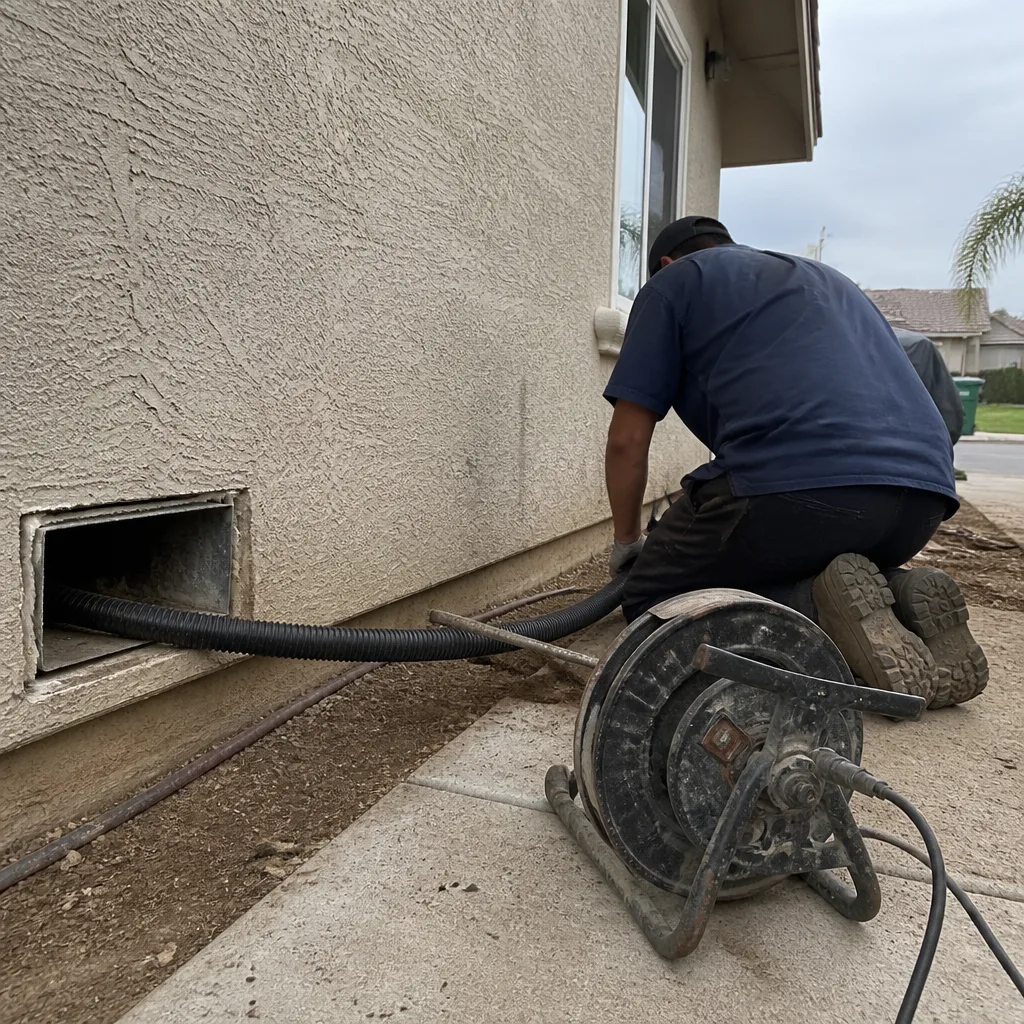 Before
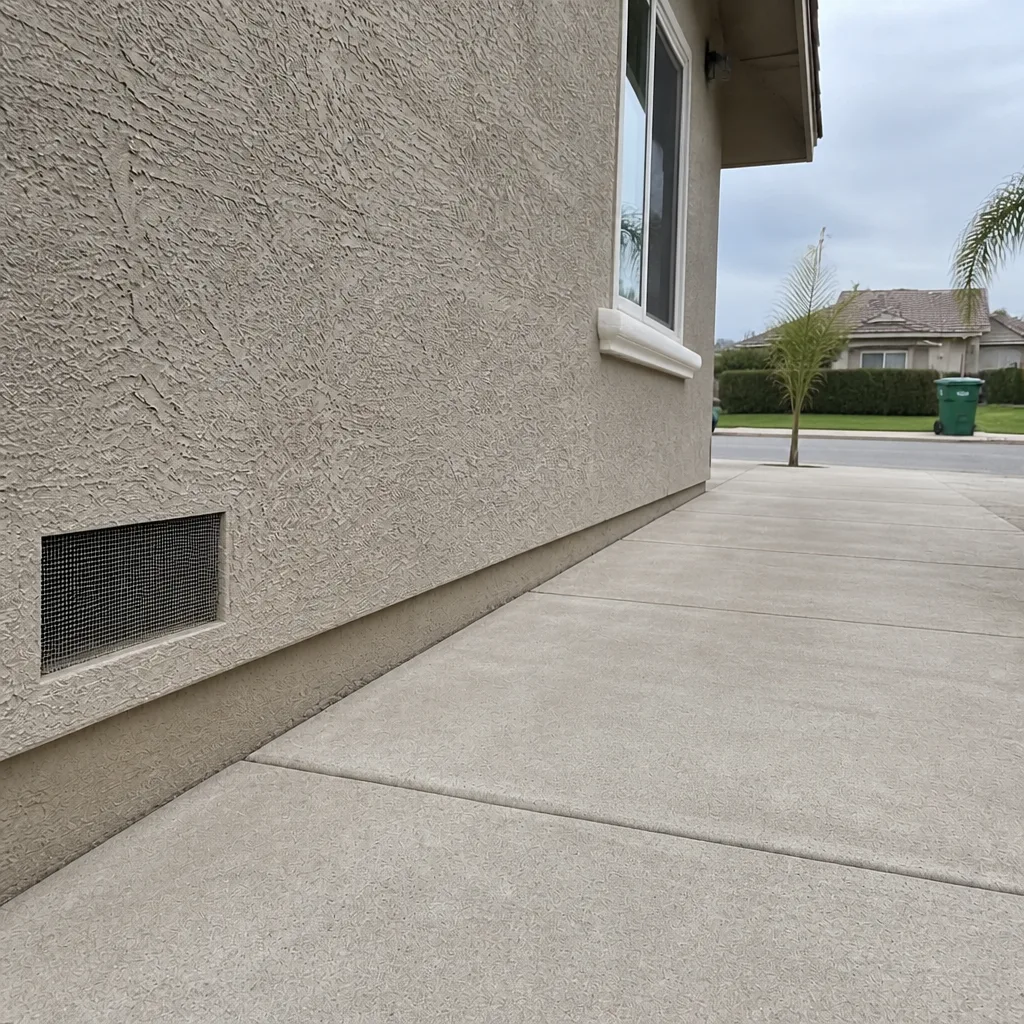 After
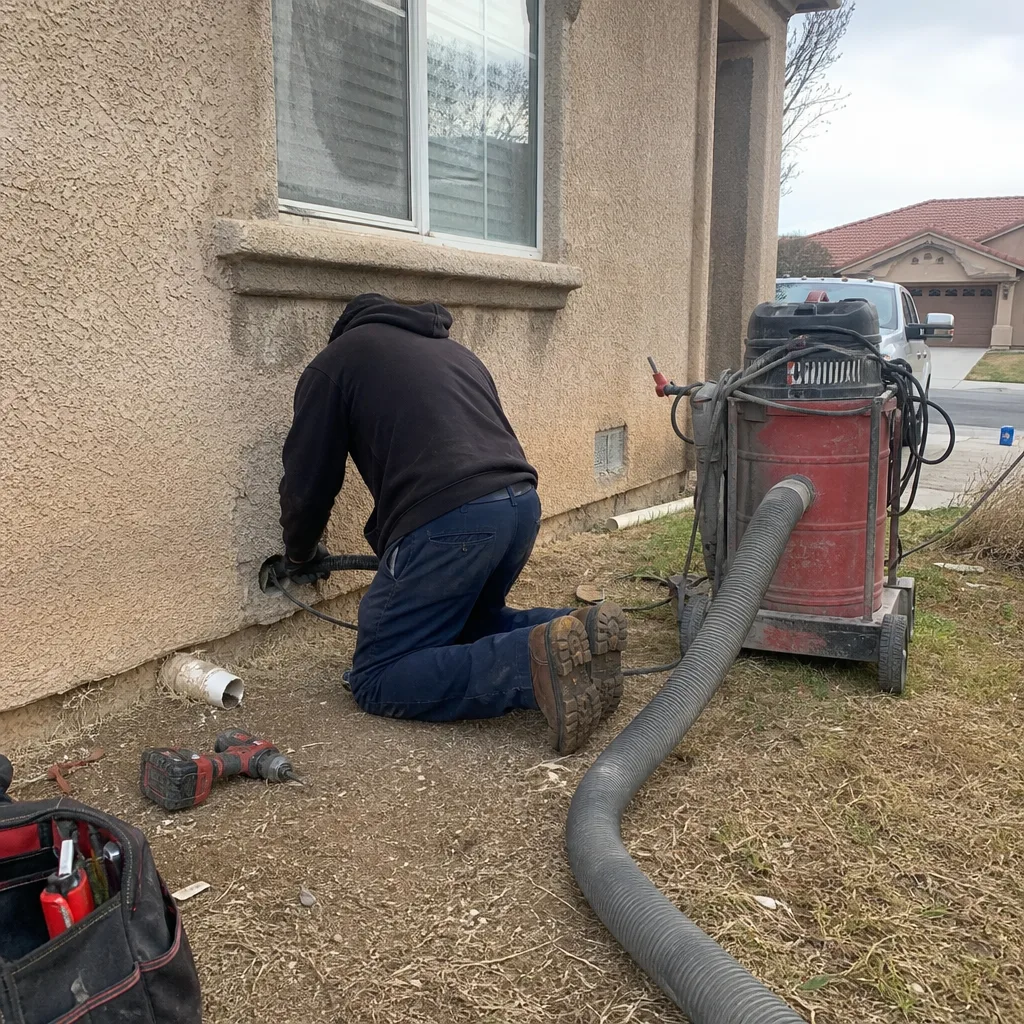 Before
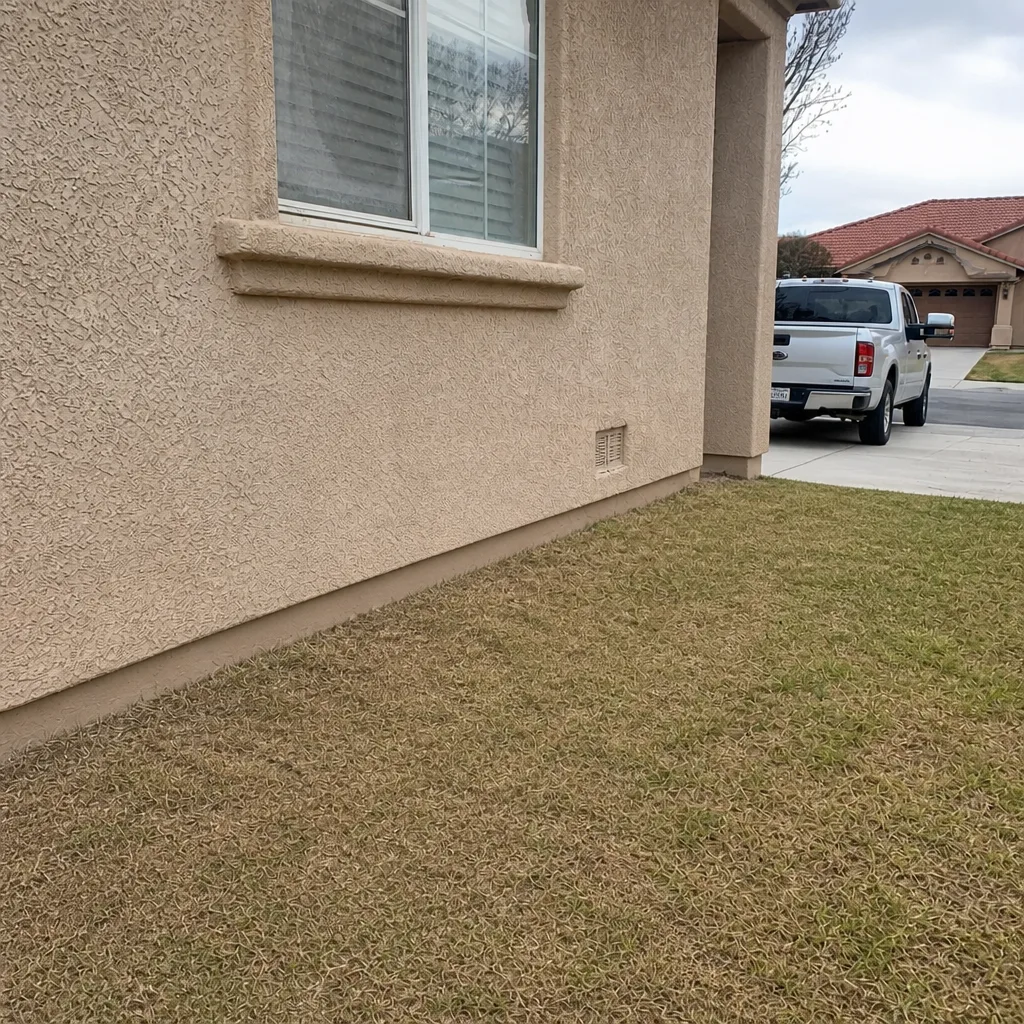 After
 Before
 After