
Last updated November 4, 2026
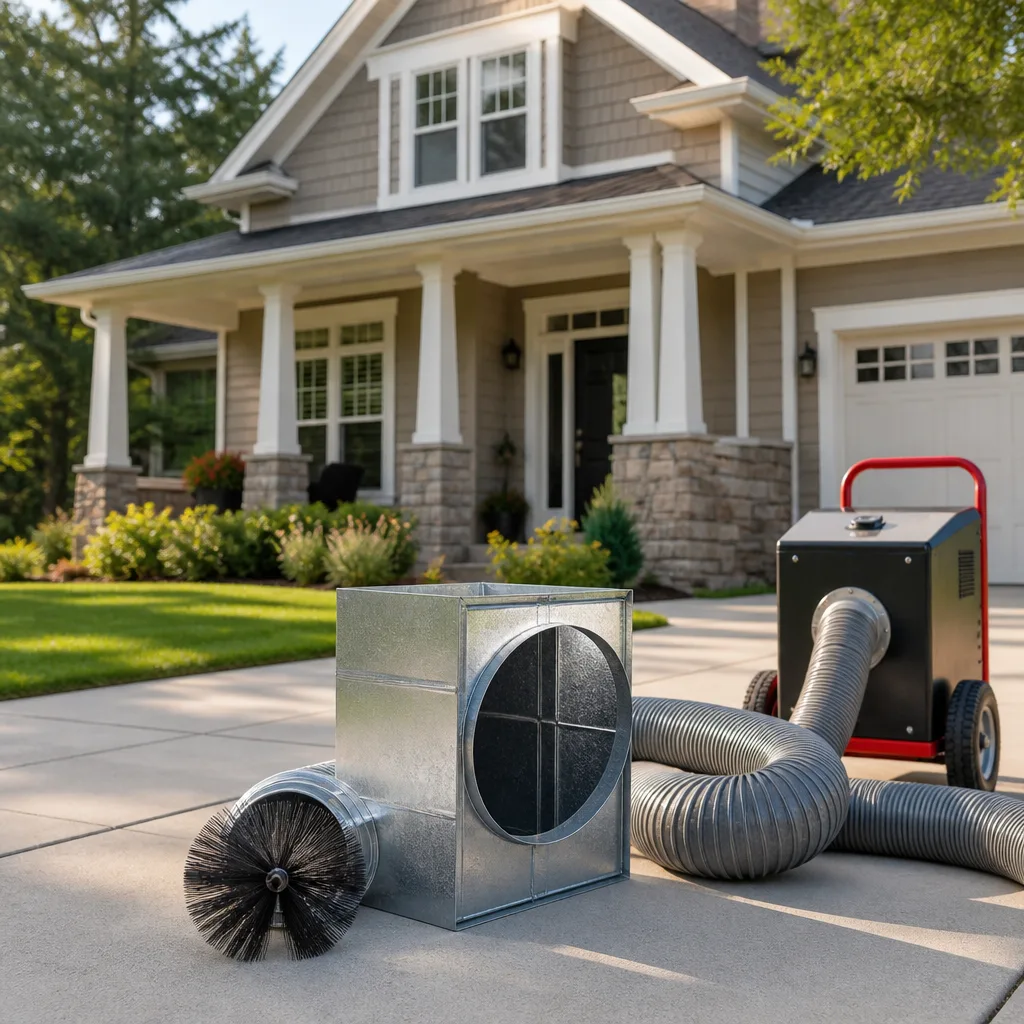 Whole-home duct cleaning
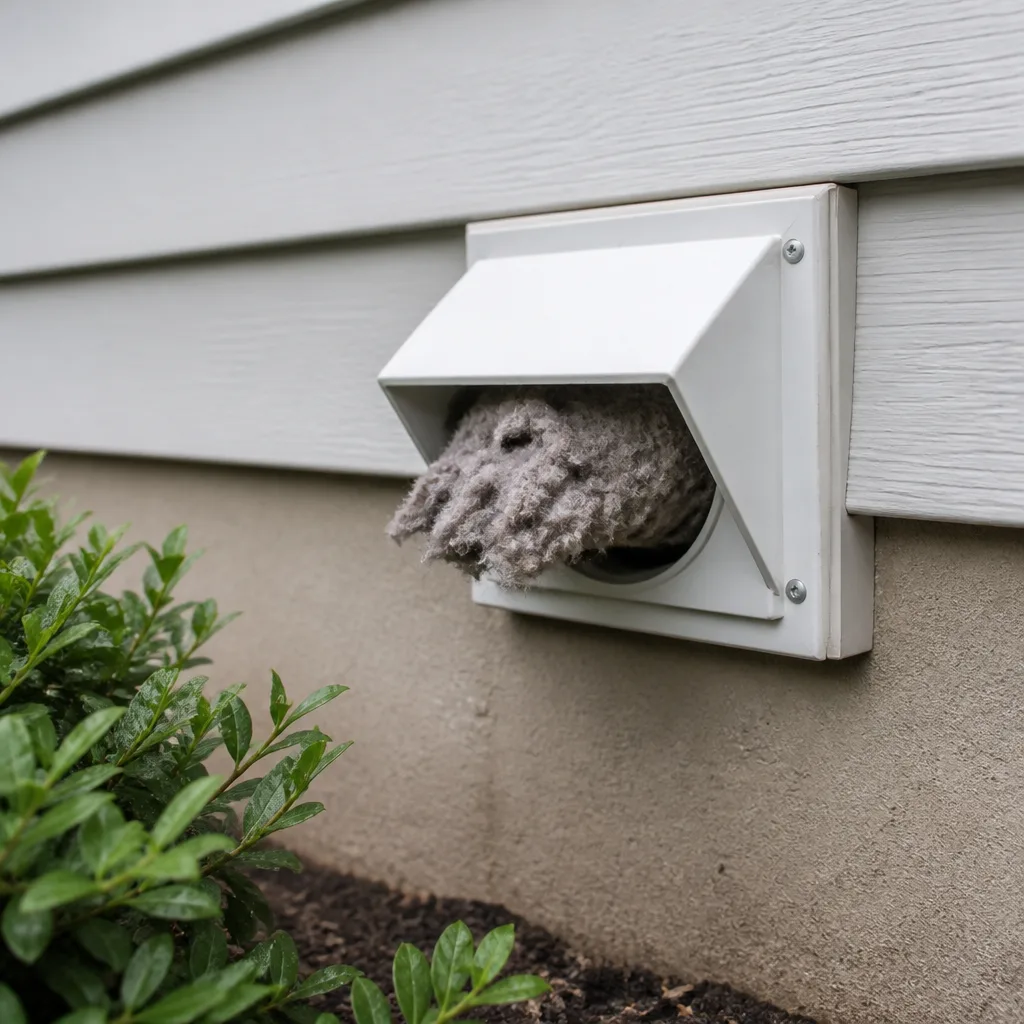 Dryer vent cleaning
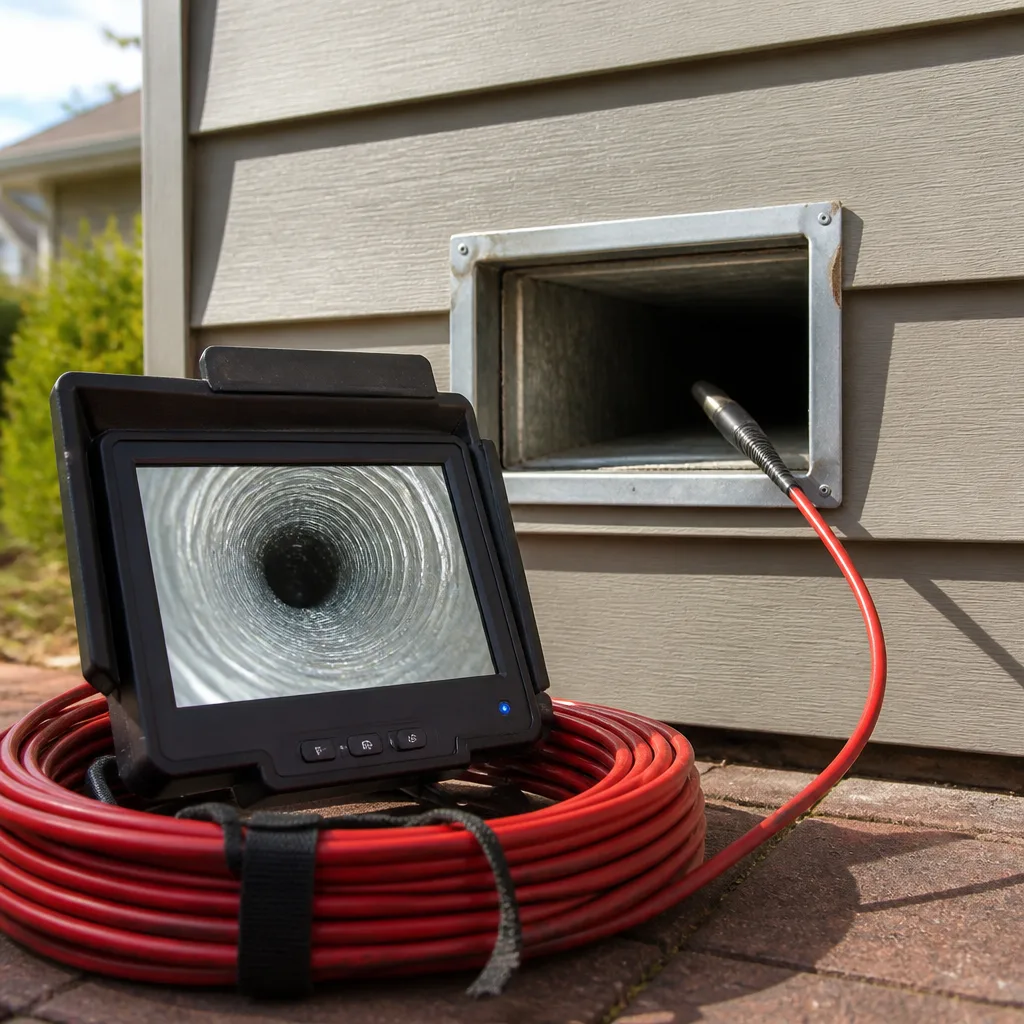 Camera inspection
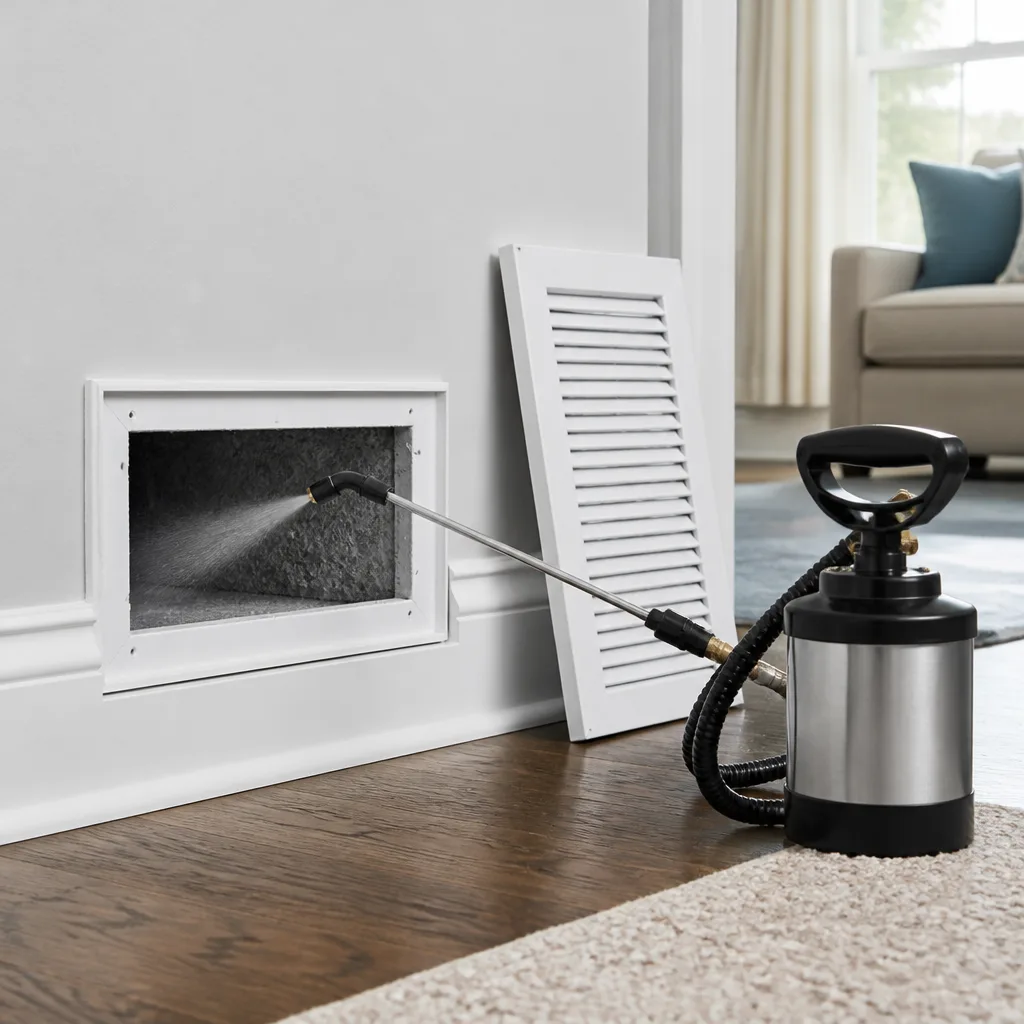 Sanitizing & deodorizing
Whole-system duct and dryer vent check with before-and-after photos - you see exactly what came out of your vents
That "$99 whole-house special" is a bait ad - the real number appears once they are in your hallway, or the "clean" is a shop-vac at the register. We photograph the inside of your ducts before and after instead.
Air Duct Cleaning Maintenance Checklist for Moreno Valley Homeowners
Most duct maintenance advice you’ll find online reads like it was written for a house in Ohio. It assumes mild summers, occasional dust, and filters that politely last their full rated lifespan. Moreno Valley doesn’t work that way. A standard 1-inch HVAC filter that would last 90 days in a coastal climate can load to restriction in under 30 days during a Santa Ana wind event, and once a filter clogs, air bypasses it entirely. That means the dust, pollen, and fine particulate that should have been caught ends up coating your duct walls instead. This guide is built around what actually happens to duct systems in Moreno Valley: 100°F-plus summers, high PM2.5 days, and the specific maintenance windows that matter here. You’ll learn what to check, what normal looks like, what doesn’t, and exactly when to call someone with professional-grade equipment rather than reaching for a shop vac.
Quick Answer
An air duct maintenance plan for a Moreno Valley home should include monthly filter checks during peak heat and Santa Ana season (swapping as often as every 30 days), a pre-summer inspection of registers and return grilles, a post-Santa Ana visual check for debris intrusion, and a professional air duct cleaning every 3 to 5 years, sooner if you have pets, recent construction, or smoke exposure. Homeowners can safely handle filter swaps, register cleaning, and dryer vent lint checks, but anything involving duct interiors, biological growth, or deep debris requires negative-pressure equipment and a trained technician.
Styles & brands we work with
- Whole-home duct cleaning
- Dryer vent cleaning
- Camera inspection
- Sanitizing & deodorizing
Table of Contents
- Why Moreno Valley’s Climate Changes Your Duct Maintenance Schedule
- The Month-by-Month Maintenance Calendar for Moreno Valley Homes
- Visual Checks You Can Do at Registers and Return Grilles
- Filter Selection for High-PM2.5 Environments
- DIY-Safe Tasks vs. Jobs That Need Professional Equipment
- Documentation: What to Record After Every Cleaning
- Dryer Vent Maintenance: The Fire-Safety Item Most Checklists Miss
Why Moreno Valley’s Climate Changes Your Duct Maintenance Schedule
Moreno Valley sits inland, where summer temperatures routinely climb past 100°F and stay there for days at a time. Your HVAC system runs longer and harder here than it would in a milder climate, which means more air moves through your ducts every single day. More air movement means more particulate loading on every interior duct surface. It’s simple math: the same amount of household dust, pet dander, and outdoor particulate gets pulled through the system far more frequently when your AC cycles constantly. A duct system that might stay acceptably clean for five years in a temperate climate can accumulate significant debris in three years here, simply because the system logs more hours.
Santa Ana winds add another variable. These dry, gusty events push fine dust and airborne particulate through every gap in a home’s envelope, from window seals to door thresholds to the outdoor air intake on your HVAC system. That dust doesn’t just settle on furniture. A meaningful portion gets drawn into the return air stream and deposited inside the ductwork. The same is true for high PM2.5 days, which occur regularly during wildfire season and inversion periods in the Inland Empire. When outdoor air quality degrades, your HVAC filter works harder, loads faster, and if it’s not changed promptly, starts passing particulate through to the ducts. Our experience in Moreno Valley tells us that homeowners who follow generic national maintenance advice are consistently surprised by how quickly their systems load up here. The climate demands a local schedule, not a copy-pasted one.
The Month-by-Month Maintenance Calendar for Moreno Valley Homes
Here’s a maintenance calendar built around Moreno Valley’s actual seasons: the pre-summer ramp, the peak heat months, Santa Ana season, and the brief winter shoulder. This isn’t a generic list. Each entry is tied to a specific climate event or system stress point that occurs in this region.
March: Pre-Summer Startup Inspection
- Replace or upgrade your HVAC filter before the first heat wave hits. A fresh filter going into summer gives you maximum surface area for the high-load months ahead.
- Walk to every register in the home and inspect the visible duct opening. Use a flashlight. Look for gray, felt-like dust accumulation on register vanes and the first inch of visible duct wall.
- Check the return grille for visible dust matting. If you can see a gray film across the grille surface, the duct behind it is likely carrying the same load.
- Remove and wash all register covers with warm soapy water. Dry them fully before reinstalling. This takes five minutes per register and removes a full season of surface accumulation.
- Listen to the system on startup. A whistling sound at the return suggests the filter is already restricting airflow, even if it doesn’t look visibly dirty.
- Confirm your outdoor condenser unit (the outside part of your AC) has at least 2 feet of clearance on all sides. Overgrown vegetation during spring growth can choke airflow before air ever reaches your ducts.
May through September: Peak Heat Season Filter Protocol
- Check the filter every 30 days, minimum. Hold it up to a light source. If you can’t see light through the filter media, it’s loaded and needs replacement, regardless of the manufacturer’s rated lifespan.
- During heat waves with consecutive 100°F-plus days, check every two weeks. The system is running nearly continuously, and filter loading accelerates accordingly.
- If you have pets, shorten the interval further. Pet dander and fur load filters measurably faster, and in summer with windows closed, everything your pets shed stays in the air stream.
- Never run the system with a missing filter, even for a day. An unfiltered system pulls all household particulate directly into the blower motor and duct interior, compounding future cleaning needs.
October through November: Santa Ana Wind Season
- After each significant Santa Ana event, do a visual check at return grilles and the first register after the air handler. Wind-driven dust leaves a distinctive fine, tan-colored coating that looks different from normal household dust.
- Check the outdoor air intake if your home has one. Santa Ana dust can clog intake screens quickly, reducing outdoor air exchange and forcing the system to work harder.
- Replace the filter after the first major Santa Ana event of the season, even if you just replaced it. These events load filters in days, not weeks.
- Inspect door sweeps and window seals honestly. You’re not an HVAC technician, but fixing these reduces the dust load your ducts will face all winter.
December through February: Winter Shoulder
- Run the system fan on “auto” rather than “on” during mild periods. Continuous fan operation during cool, damp mornings can pull more particulate through the ducts than necessary.
- Do a full register-by-register visual inspection in January. You’re looking for any change from your March baseline: new accumulation, discoloration, or any sign of moisture.
- If you use a humidifier, check that it’s functioning properly and not over-humidifying. Excess indoor humidity in the Inland Empire’s winter shoulder can create conditions where dust adheres more readily to duct surfaces.
- Take photos of register interiors. This is part of your documentation baseline, which we cover below.
Visual Checks You Can Do at Registers and Return Grilles
You don’t need specialized tools to gather meaningful information about your duct system. A flashlight and your phone camera will tell you more than you might expect. The key is knowing what normal looks like versus what signals a problem.
What Normal Looks Like
- Light, dry, powdery dust: A thin layer of gray or tan dust on register vanes that wipes away easily with a damp cloth. This is ordinary household lint and skin cells. It accumulates slowly and evenly.
- Consistent coloring: Dust on one register looks roughly like dust on every other register. No single room is dramatically worse.
- No visible material inside the duct opening: You might see a light dust film on the first inch of duct wall, but no clumps, no debris, no visible particles sitting on surfaces.
- Clean return air flow: Air moving through the return grille feels strong and steady when the system runs. No whistling or sucking sounds.
What Signals a Problem
- Gray, felt-like matting: Dust that has formed a dense, fabric-like layer rather than a light film. This indicates long-term accumulation that has compressed under airflow. This doesn’t wipe away easily and usually means the duct itself carries the same load.
- Black, brown, or green discoloration: Any coloring beyond normal gray-tan is a reason to call a professional. Dark spots at register edges can indicate biological growth or soot intrusion, especially after wildfire smoke events.
- Visible debris inside the duct: If your flashlight reveals larger particles, insulation fragments, or construction debris inside the duct opening, the system has contamination that a filter can’t address and a homeowner can’t safely remove.
- One room consistently dustier than others: A single register showing heavy accumulation while others look normal can indicate a disconnected or damaged duct run, or a leak pulling attic or crawlspace air into that branch.
- Musty odor from registers: When the system runs, a persistent earthy or musty smell from one or more registers suggests moisture has been present in that duct run, which can support biological growth in Moreno Valley’s warm air.
These visual checks are the homeowner’s early-warning system. They won’t tell you everything, but they’ll tell you when it’s time to bring in equipment that can actually see and clean the full duct interior.
Filter Selection for High-PM2.5 Environments
Moreno Valley’s air quality challenges aren’t seasonal. The city experiences elevated PM2.5 from wildfire smoke, Santa Ana dust, and regional agricultural and traffic sources throughout the year. That makes filter selection a genuine technical decision, not a grab-the-cheapest-one situation. But here’s the nuance most guides skip: higher MERV isn’t automatically better, especially on older systems.
Understanding what matters
MERV stands for Minimum Efficiency Reporting Value. It’s a rating of how effectively a filter captures particles of specific sizes. PM2.5 refers to particulate matter 2.5 microns or smaller: the fine particles that penetrate deep into lungs. To capture PM2.5 effectively, you want a filter rated MERV 13 or higher. A MERV 13 filter captures roughly 90% of particles in the 1 to 3 micron range, which includes most smoke particulate and fine dust.
Why bigger isn’t always better
Higher-MERV filters are denser. Denser media increases static pressure in the duct system, which means your blower works harder to move the same volume of air. On newer systems with ECM blower motors, this is usually manageable. On aging systems, especially those with PSC motors, a MERV 13 filter can reduce airflow enough to affect cooling performance and, in extreme cases, cause the evaporator coil to freeze. If your system is older and you notice reduced airflow at registers after upgrading to a high-MERV filter, that’s the system telling you it can’t handle the restriction. Step back down to MERV 11 and check the system’s performance. You’re not failing; you’re matching the filter to what the equipment can actually handle.
A practical filter schedule for Moreno Valley
- Baseline recommendation: MERV 11 pleated filters for most homes, checked every 30 days during summer and Santa Ana season.
- Homes with allergy sufferers or respiratory conditions: MERV 13, with the understanding that older systems may need to drop back to MERV 11 if airflow suffers.
- During air quality alerts: Check filters weekly. High PM2.5 days load filters at rates nobody’s manufacturer rating anticipates.
- After a wildfire smoke event: Replace the filter immediately. Smoke particulate clogs filter media rapidly, and a smoke-loaded filter continues off-gassing odor into the home.
- Pet owners: Count on changing filters roughly twice as often as the rating suggests, regardless of season.
Beyond replacement filters, homeowners looking for durable indoor air quality solutions should consider whole-home products designed to integrate with the HVAC system. We offer Honeywell and Aprilaire IAQ products for customers who want measured, ongoing air quality management rather than just a one-time cleaning. These aren’t filters you swap monthly; they’re system-level components that address air quality continuously.
DIY-Safe Tasks vs. Jobs That Need Professional Equipment
A good maintenance plan respects the line between what a homeowner can safely do and what requires training and equipment. Crossing that line doesn’t just produce worse results; it can actively make the problem worse. Here’s the honest division.
DIY-Safe Tasks
- Filter replacement: This is yours. Nobody should pay a service call for a filter swap, and doing it yourself keeps you aware of how quickly your system loads.
- Register cover cleaning: Remove, wash, dry, reinstall. Soap and water. This removes surface accumulation before it can be pulled deeper into the duct.
- Return grille wiping: A damp microfiber cloth on the visible grille surface and immediate surrounding wall. This reduces the particulate that gets drawn into the return air stream.
- Condenser coil debris clearing: Gently removing leaves, grass clippings, and surface debris from around the outdoor unit. Do not use a pressure washer on the coil itself.
- Dryer vent lint trap checking: The lint screen in the dryer gets cleaned every load, but the external vent termination should be checked monthly. Stand outside, confirm the flap opens when the dryer runs, and look for visible lint buildup around the opening.
Jobs That Require Professional Equipment
- Anything involving the duct interior beyond the first visible inch: Reaching into a duct with a household vacuum does more harm than good. A standard shop vac lacks the negative pressure and filtration needed to safely remove duct debris, and agitating debris without proper extraction redistributes contaminants into the home’s air.
- Biological growth or moisture issues: If you’ve spotted dark discoloration, smelled musty air, or found moisture indicators, this is a containment-level job. You need equipment that prevents spore redistribution, not just brushes and suction.
- Duct repair or sealing: Crushed, disconnected, or leaking duct runs reduce system efficiency and pull unconditioned air into the system from attics and crawlspaces. Repair requires access, training, and the right materials.
- Post-wildfire smoke assessment and cleaning: Smoke particulate penetrates deeply into duct systems and requires professional assessment. Surface cleaning won’t address what’s packed into the duct walls and components.
- Dryer vent cleaning: The lint you can’t see at the exterior termination is accumulating along the full vent run, and that material is highly combustible. This is a dryer vent cleaning job, not a DIY task.
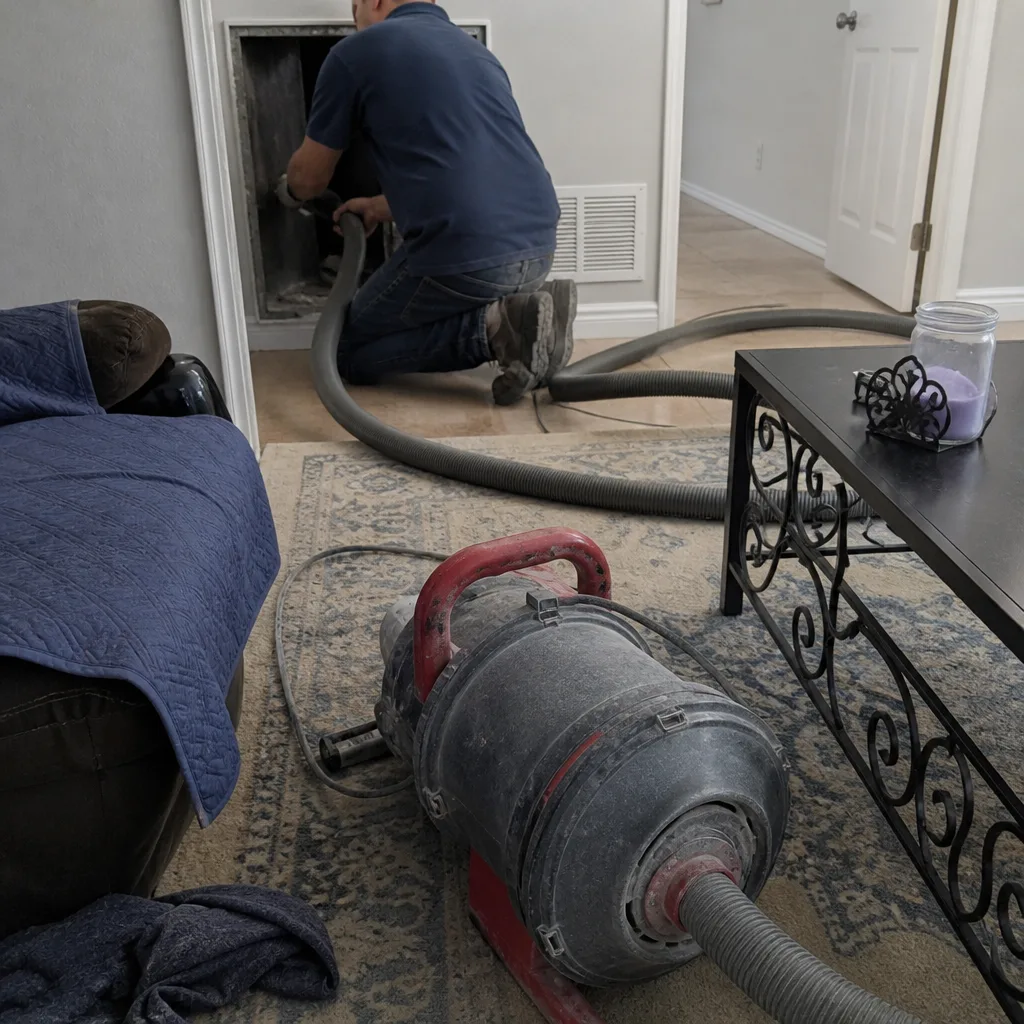
The professional-grade distinction matters. When we clean ducts, we use a Rotobrush rotary brush system designed for duct cleaning, paired with negative-pressure collection so debris is extracted from the home rather than stirred up inside it. Nikro equipment serves the same purpose: purpose-built for this work, not repurposed from some other trade. For jobs involving biological concerns or heavy contamination, Abatement Technologies air filtration equipment provides containment-level air scrubbing. This is the difference between cleaning a duct and moving dirt around inside it, and it’s why the DIY boundary exists where it does.
Documentation: What to Record After Every Cleaning
Documentation is the most underrated part of duct maintenance. A homeowner who keeps simple records before and after professional cleanings builds a baseline that makes future decisions clearer and provides evidence if insurance claims ever become necessary. Here’s what to track.
Pre-Cleaning Baseline
- Date of inspection or cleaning: Simple but essential. Every future comparison depends on knowing when observations were made.
- Photos of register interiors: Use your phone’s flashlight. Take three to five photos at different registers, especially the return and the register closest to the air handler. These are your “before” references.
- Filter type and install date: Write down the MERV rating, brand, and the date you installed it. This tells you how quickly your system loads under real-world Moreno Valley conditions.
- Any odors noted: Musty, dusty, or unusual smells when the system runs. Write down when you noticed them and which rooms.
- Visible accumulation description: Light dust film, gray matting, debris present, discoloration. Your own words are fine; you’re the one who’ll read them later.
Post-Cleaning Records
- Service date and provider: The company, the technician’s name if provided, and the date of the professional cleaning.
- Services performed: Full duct cleaning, duct repair, dryer vent cleaning, coil cleaning, any IAQ product installation.
- Equipment used: This matters for insurance documentation after smoke events. Note if the provider used professional-grade equipment like Rotobrush or Nikro systems, and whether air filtration equipment was deployed on the job.
- After photos: Same angles as your baseline photos. These become your “proof the work was done” record.
- Recommendations made: If the technician noted duct damage, filter upgrade recommendations, or suggested a follow-up cleaning interval, write it down. This is the basis for your next decision.
After a wildfire smoke event, this documentation takes on additional weight. Insurance claims for smoke damage often require evidence of contamination and remediation. A homeowner who can show before-and-after photos, filter load records, and a professional cleaning report is in a measurably stronger position than one who has to reconstruct everything from memory.
Dryer Vent Maintenance: The Fire-Safety Item Most Checklists Miss
Duct maintenance checklists almost always focus on the HVAC system, which makes sense: it’s the system most people think about. But the dryer vent is a duct too, and it’s the one most directly tied to a real, documented safety risk. The National Fire Protection Association identifies dryer vent fires as a leading cause of residential fires, and the mechanism is straightforward: lint accumulates in the vent run, restricts airflow, and the restricted airflow raises temperatures inside the dryer. Lint is highly combustible, and the combination of heat and restricted airflow creates the conditions for ignition.
In Moreno Valley, this risk operates year-round. There’s no winter season where dryers sit idle or lint accumulation slows. Families run dryers year-round, and the vent accumulation that builds over 12 months of continuous use is the same accumulation a coastal home might take 18 months to reach. The maintenance response is simple but specific:
- Check the exterior vent termination monthly. Confirm the flap opens fully when the dryer runs and closes afterward.
- Look for lint visible around the exterior opening. Any visible accumulation means more is packed deeper in the run that you can’t see.
- Clean the lint screen before every load. This is habit, not maintenance, but it’s the single highest-impact thing any household can do.
- Schedule professional dryer vent cleaning when drying time increases noticeably, when the dryer or laundry room runs hot, or every 12 to 18 months in a typical Moreno Valley household.
- Never vent the dryer into the home, garage, or attic. The vent must terminate outdoors, and any flexible foil hose should be replaced with rigid metal ducting for fire resistance.
Professional Duct Cleaning Moreno Valley handles dryer vent cleaning as part of a full-system approach to duct health. The same negative-pressure equipment that cleans HVAC ducts clears the lint from vent runs, and the result is measurable: restored airflow, lower dryer temperatures, and reduced fire risk. This isn’t an add-on; it’s a safety credential.
Common Mistakes to Avoid
- Treating filter MERV ratings as “higher is always better.” A MERV 16 filter on an aging Moreno Valley HVAC system can restrict airflow enough to freeze the coil. Match the filter to what the system can actually handle, and pay attention to how the system responds after any upgrade.
- Vacuuming inside ducts with a household vacuum. A shop vac without proper HEPA filtration pulls debris from the duct and exhausts the finest particles back into the home’s air. You can easily make the indoor air quality worse while trying to improve it.
- Ignoring a single dusty room. If one bedroom gathers dust faster than every other room, something specific is happening in that duct run: a leak, a disconnection, or a blockage. It’s a signal, not a quirk.
- Using the HVAC system during wildfire smoke with a loaded filter. A filter that’s already near capacity during a smoke event stops protecting the ducts and starts passing smoke particulate directly into the system. Change it before it fails, not after.
- Assuming the dryer is fine because the lint screen gets cleaned. The lint screen catches a fraction of what passes through. The rest deposits in the vent run, where it accumulates invisibly until drying time increases or temperatures climb. That’s the point where fire risk is already elevated.
- Waiting for visible problems before scheduling professional cleaning. By the time dust matting is visible at register openings, the duct interior has carried significant loading for months. The whole point of scheduled maintenance is to act before symptoms appear.
- Running the system without a filter during a heat wave. It feels like a solution when filters load quickly and airflow drops. It isn’t. An unfiltered system pulls rooftop dust, insulation fibers, and whatever else is in the return air directly into the blower and duct interior, compounding every future maintenance need.
See the difference
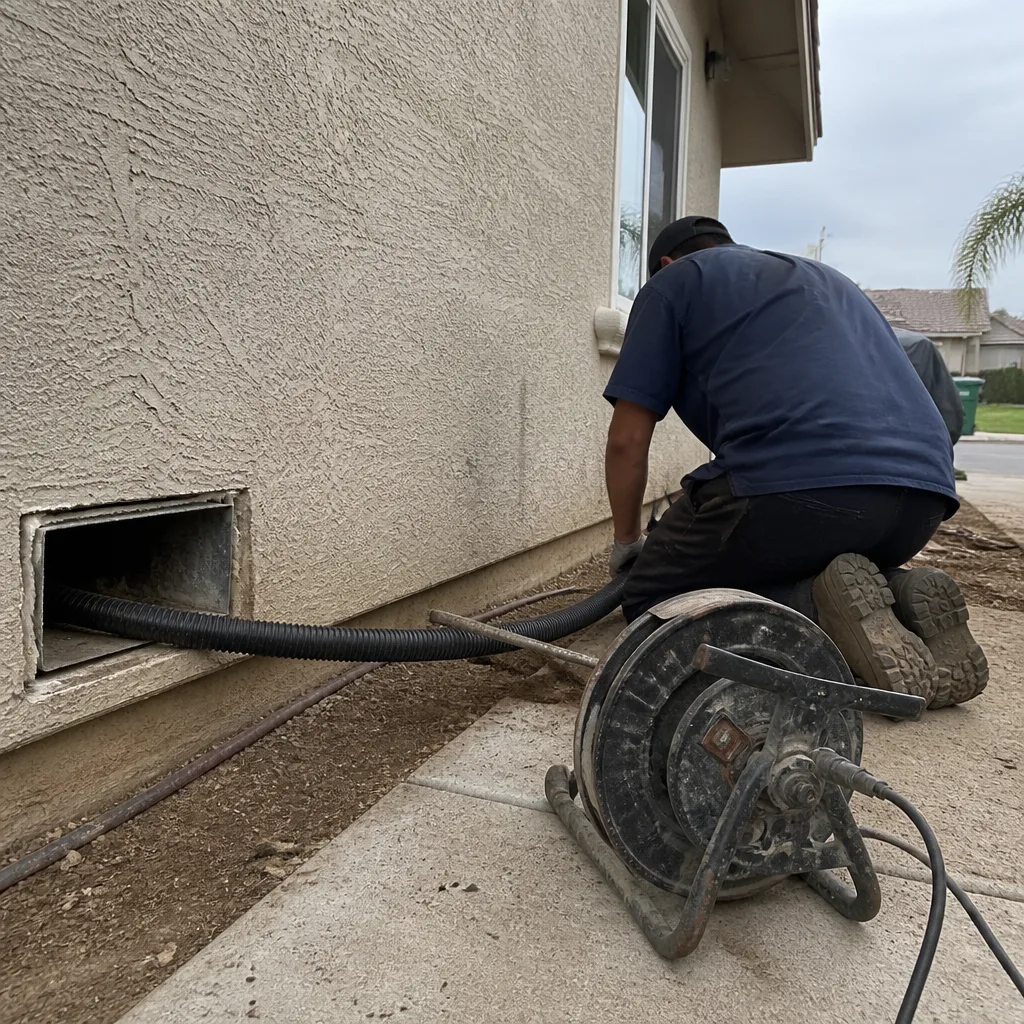 Before
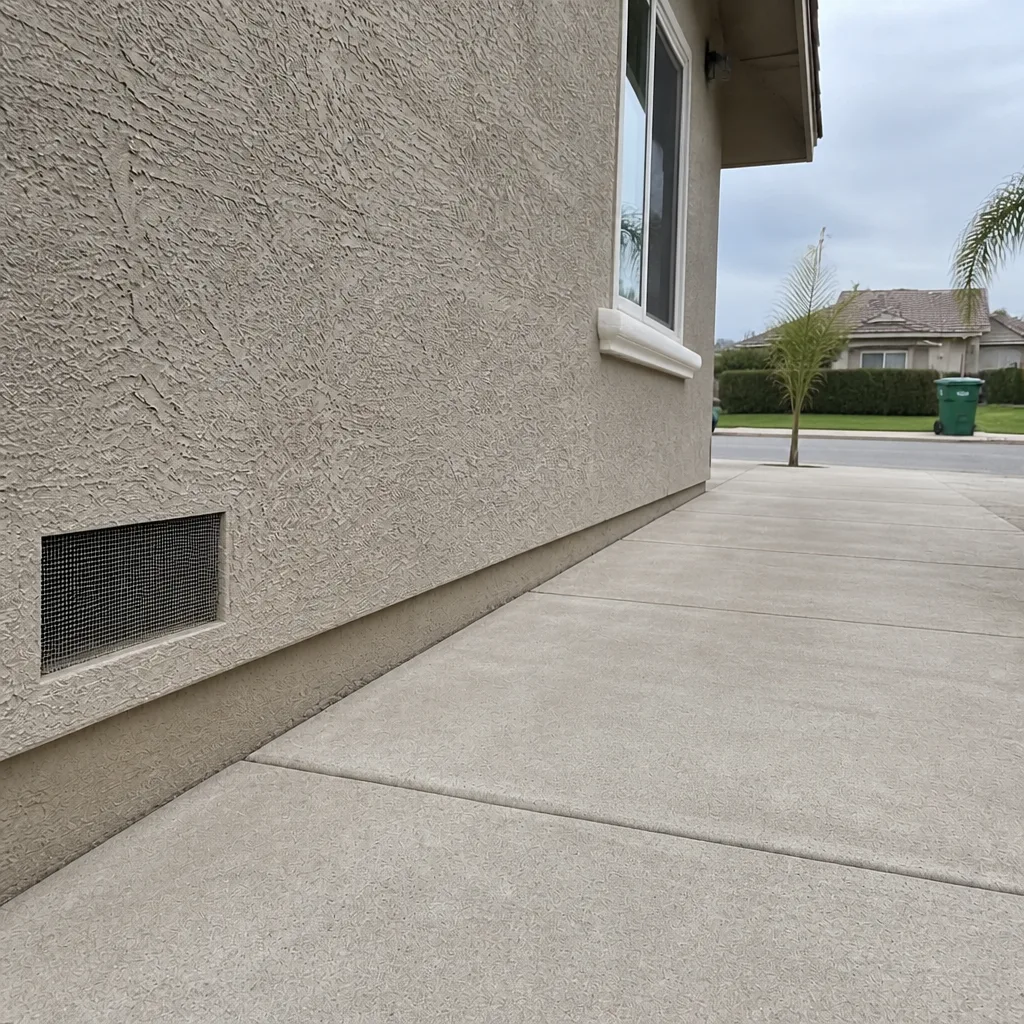 After
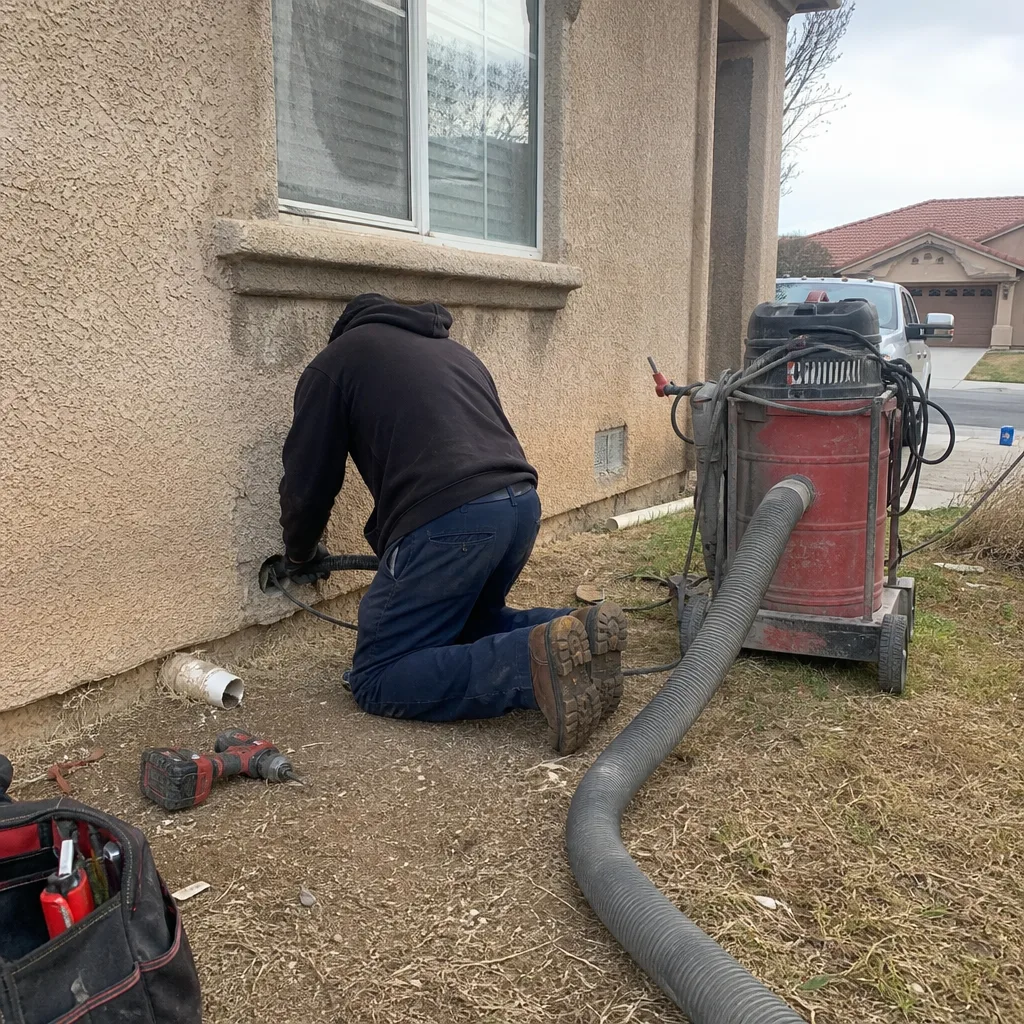 Before
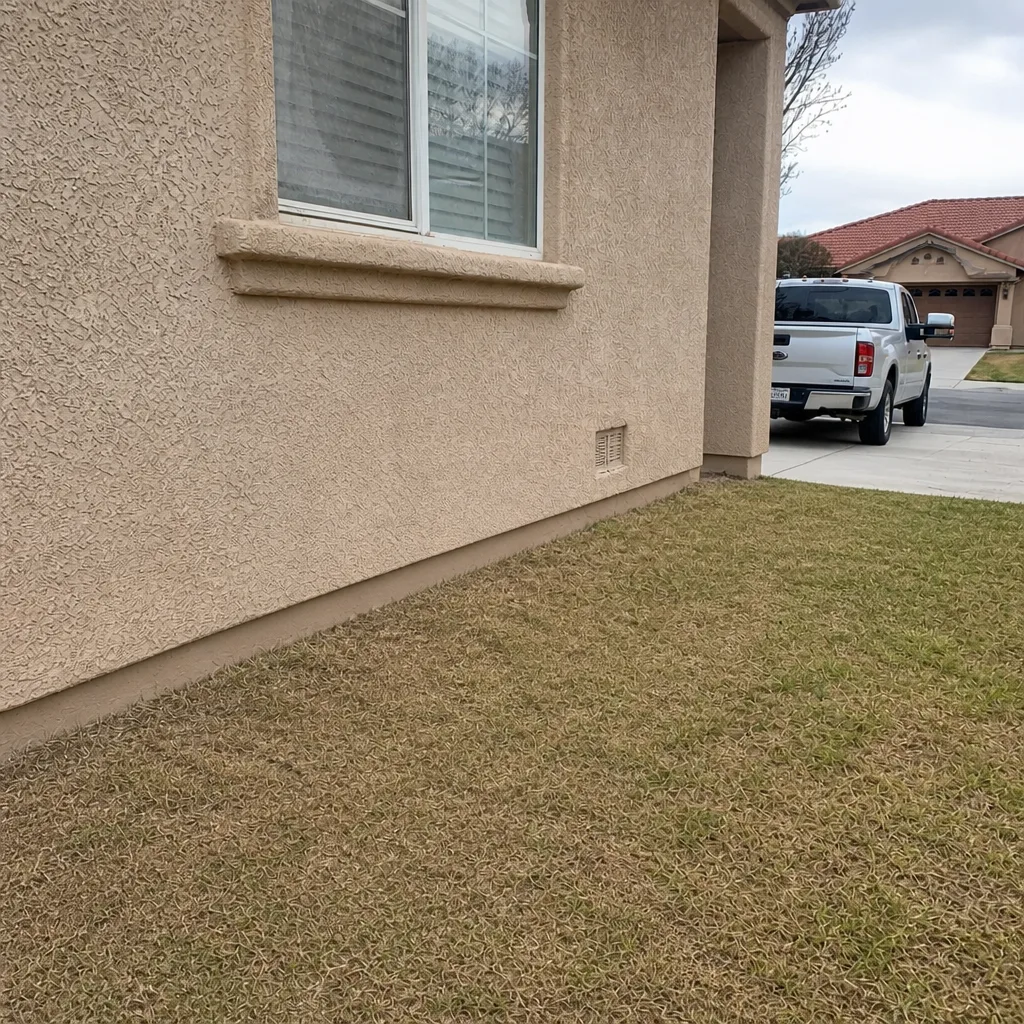 After
 Before
 After
When to Call a Professional
Some situations call for equipment and training you simply don’t have at home, and recognizing that is part of being a responsible homeowner. Call a professional if you see mold-like discoloration at registers, if one room’s airflow has dropped noticeably, if you’ve had a wildfire smoke event within the past year and never assessed the ducts, if dust returns within days of cleaning surfaces, or if the system makes unusual sounds when running. Any of these signals points to conditions inside the ductwork that need negative-pressure extraction, not surface wiping. Duct Cleaning Moreno Valley offers free estimates in Moreno Valley, and our teams show up with Rotobrush and Nikro equipment built specifically for this work. Call (877) 387-1334. We answer 24/7. Fast dispatch from 7am to 7pm, Sunday through Friday.
Frequently Asked Questions
Air ducts in Moreno Valley typically need professional cleaning every 3 to 5 years, though homes with pets, recent construction, or smoke exposure from wildfire seasons may need cleaning sooner. The high summer heat and Santa Ana dust events load duct systems faster here than in milder climates, so a 5-year interval that works elsewhere may be too long for a Moreno Valley home. Call (877) 387-1334 for a free estimate and an honest assessment of your system’s condition.
A MERV 11 pleated filter is the right baseline for most Moreno Valley homes, while MERV 13 offers better PM2.5 capture for allergy sufferers and homes affected by wildfire smoke. If your system is older and you notice reduced airflow after upgrading to MERV 13, step back down to MERV 11: the restriction may be too much for your blower to handle. Your filter choice should match what your equipment can actually support.
You likely need professional duct cleaning if you see gray dust matting at register openings, black or brown discoloration inside ducts, visible debris beyond the first inch of duct wall, or if one room stays consistently dustier than the rest of the house. A musty odor from registers when the system runs is another strong signal. Visual inspection with a flashlight at each register will tell you most of what you need to know.
Air duct cleaning costs vary based on system size, number of ducts, and contamination level, and written estimates set the final price per job. You should expect a professional cleaning in Moreno Valley to be priced by the system, not per vent, and the estimate should be free. Call (877) 387-1334 for a free estimate. We answer 24/7. Fast dispatch from 7am to 7pm, Sunday through Friday.
You can safely clean register covers and visible grille surfaces yourself, but cleaning the duct interior requires negative-pressure equipment that homeowners don’t have. Attempting interior cleaning with a household vacuum or improvised tools agitates debris and redistributes fine particles into the home’s air, often making indoor air quality worse. If the problem is beyond what a damp cloth can reach, it needs professional equipment.
Duct cleaning removes the accumulated dust, pollen, and dander that cycled through the HVAC system and can contribute to allergy symptoms, especially in Moreno Valley homes that run AC constantly through long hot summers. However, cleaning addresses what’s already in the ducts; ongoing filtration with the appropriate MERV rating and regular filter changes prevent future accumulation. Both pieces matter for measurable allergy relief. Call (877) 387-1334 to talk through what your home actually needs.
The Bottom Line
Air duct maintenance in Moreno Valley isn’t a once-a-year item or a task to defer until something looks wrong. The climate here loads HVAC systems faster than national averages, and the maintenance schedule needs to reflect that: monthly filter checks during heat and Santa Ana season, pre-summer inspections, honest visual assessments at registers, and professional cleaning on a local timeline rather than a generic one. The DIY boundary is real, and respecting it keeps you from making indoor air quality worse while trying to improve it. Professional-grade equipment – Rotobrush and Nikro systems for cleaning, Abatement Technologies for air filtration – matters because how the work is done determines whether the result is real or cosmetic. Duct Cleaning Moreno Valley handles the full system: cleaning, repair, and dryer vent safety, with one company and one phone call. Call (877) 387-1334. We answer 24/7. Fast dispatch from 7am to 7pm, Sunday through Friday.
Written by the team at Duct Cleaning Moreno Valley, serving Moreno Valley since 2016.