
Last updated November 4, 2026
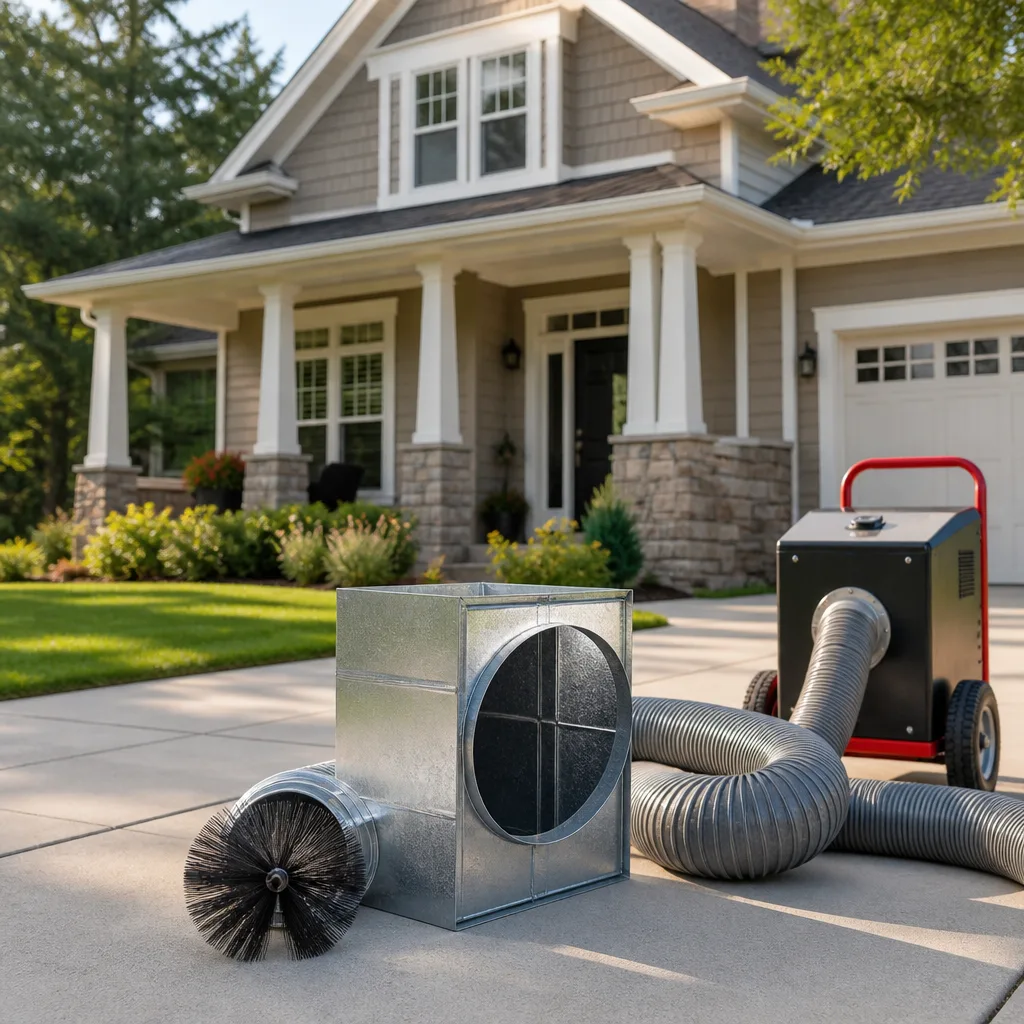 Whole-home duct cleaning
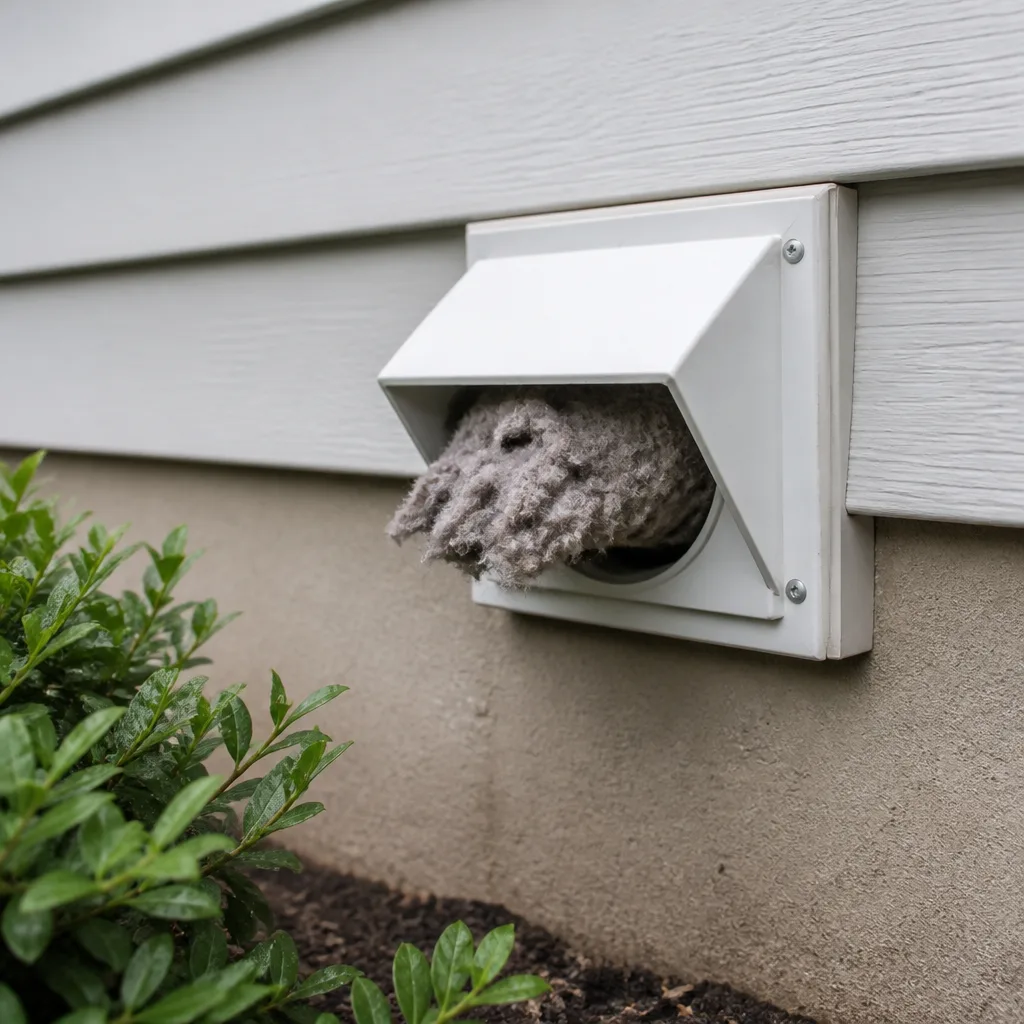 Dryer vent cleaning
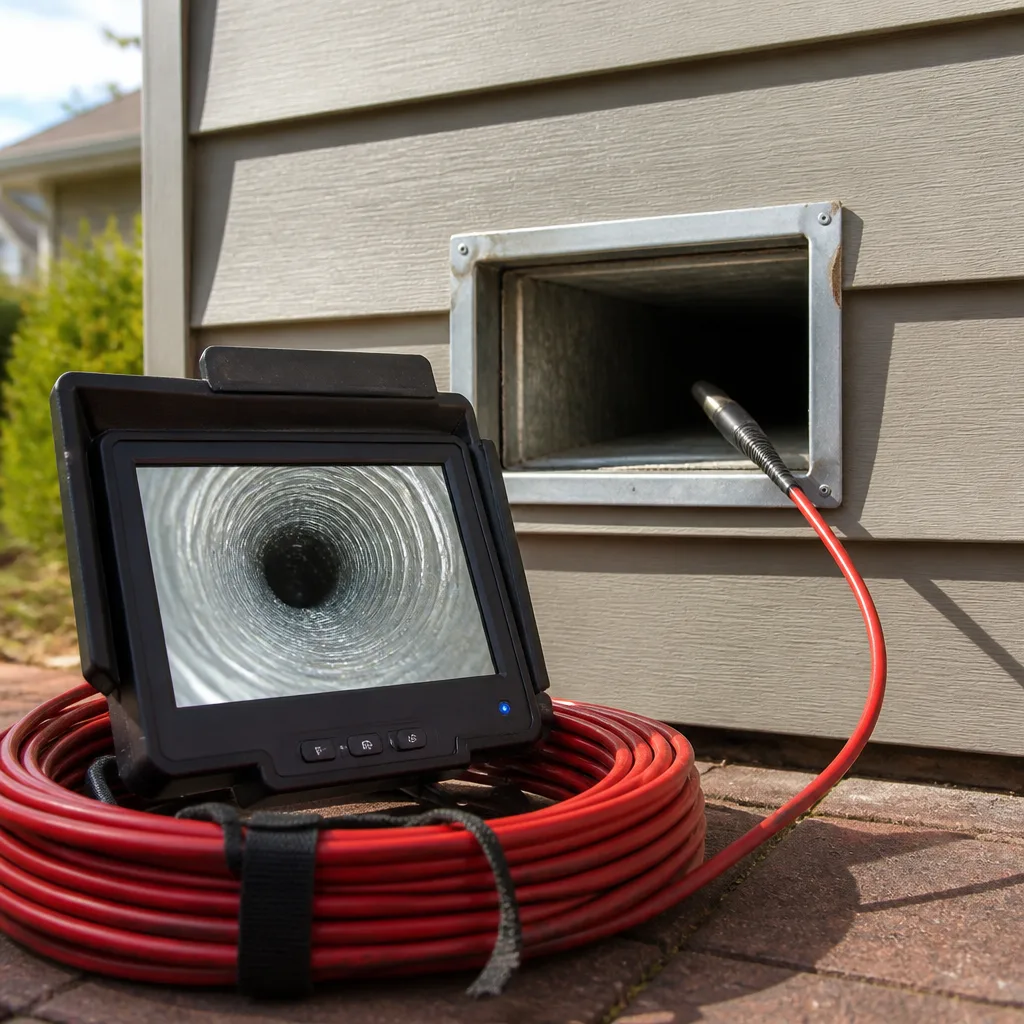 Camera inspection
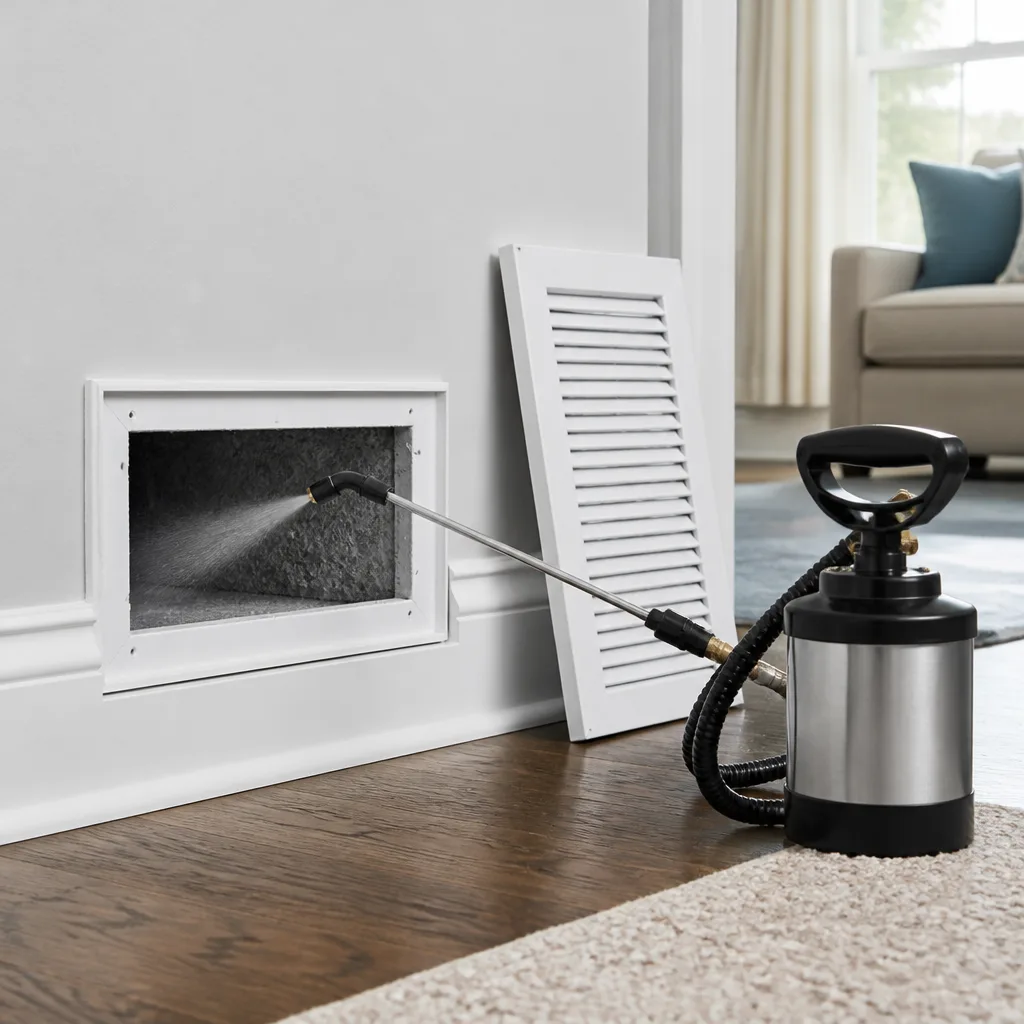 Sanitizing & deodorizing
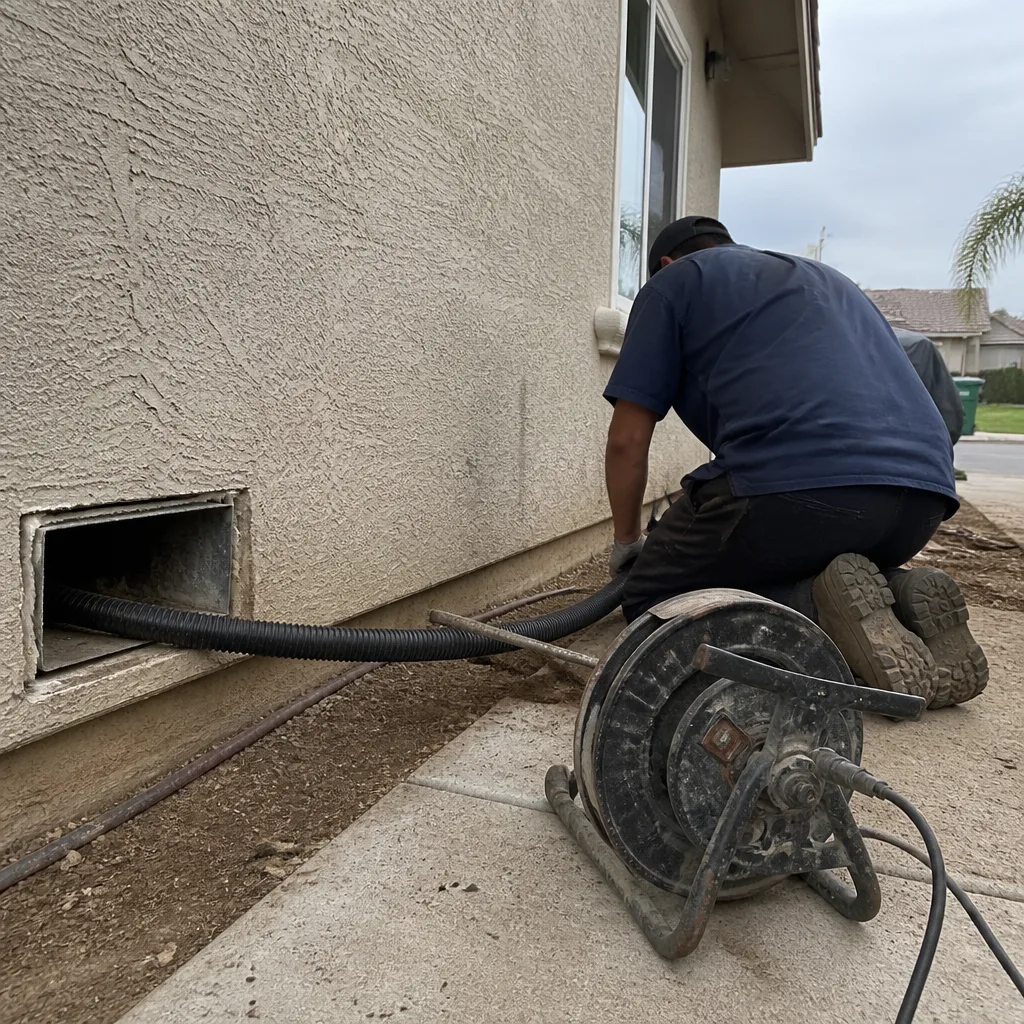
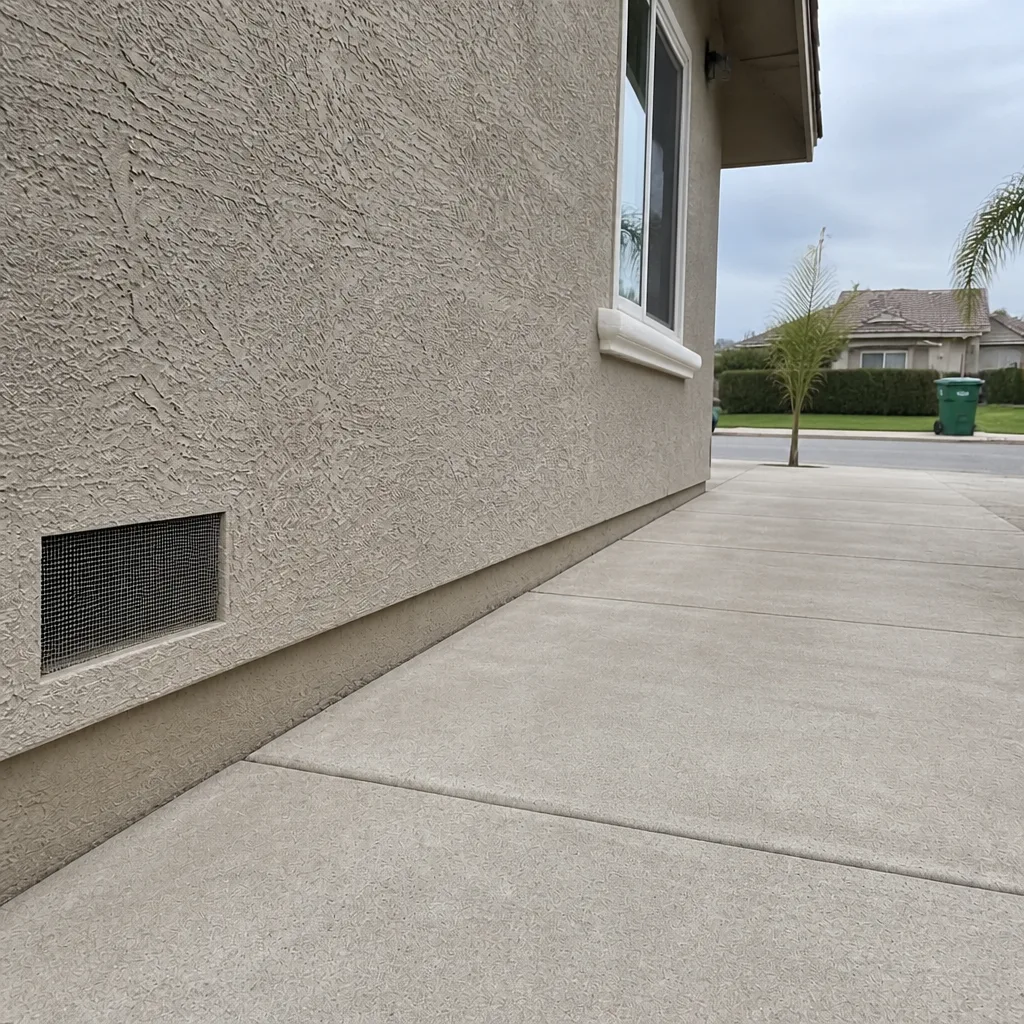
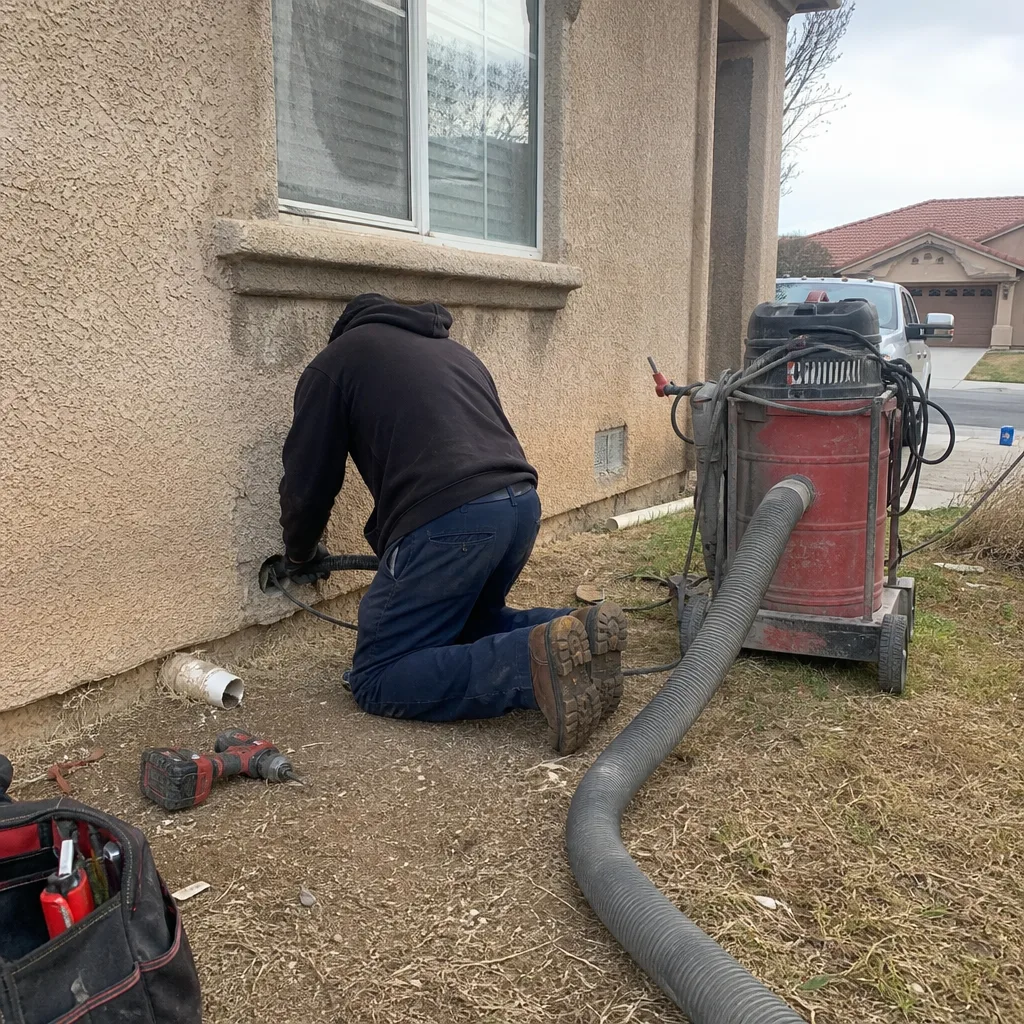
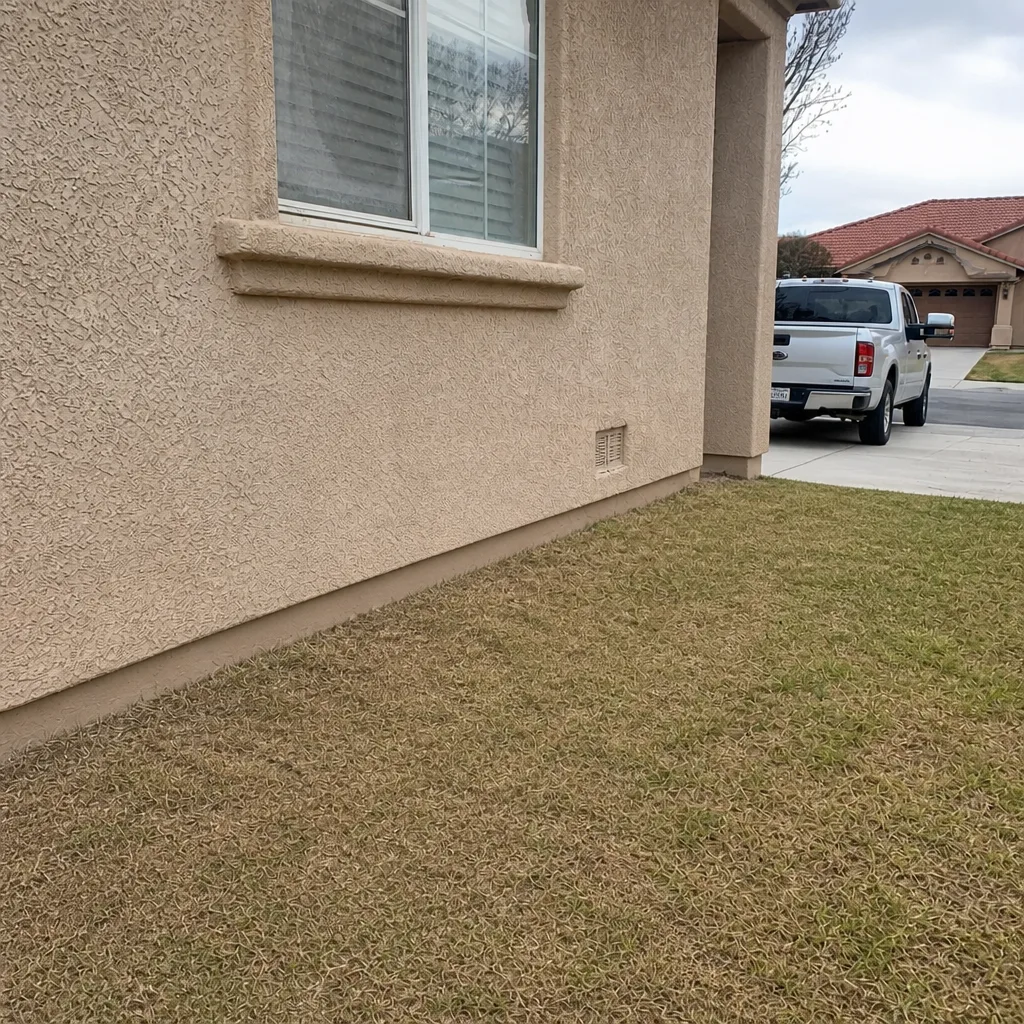
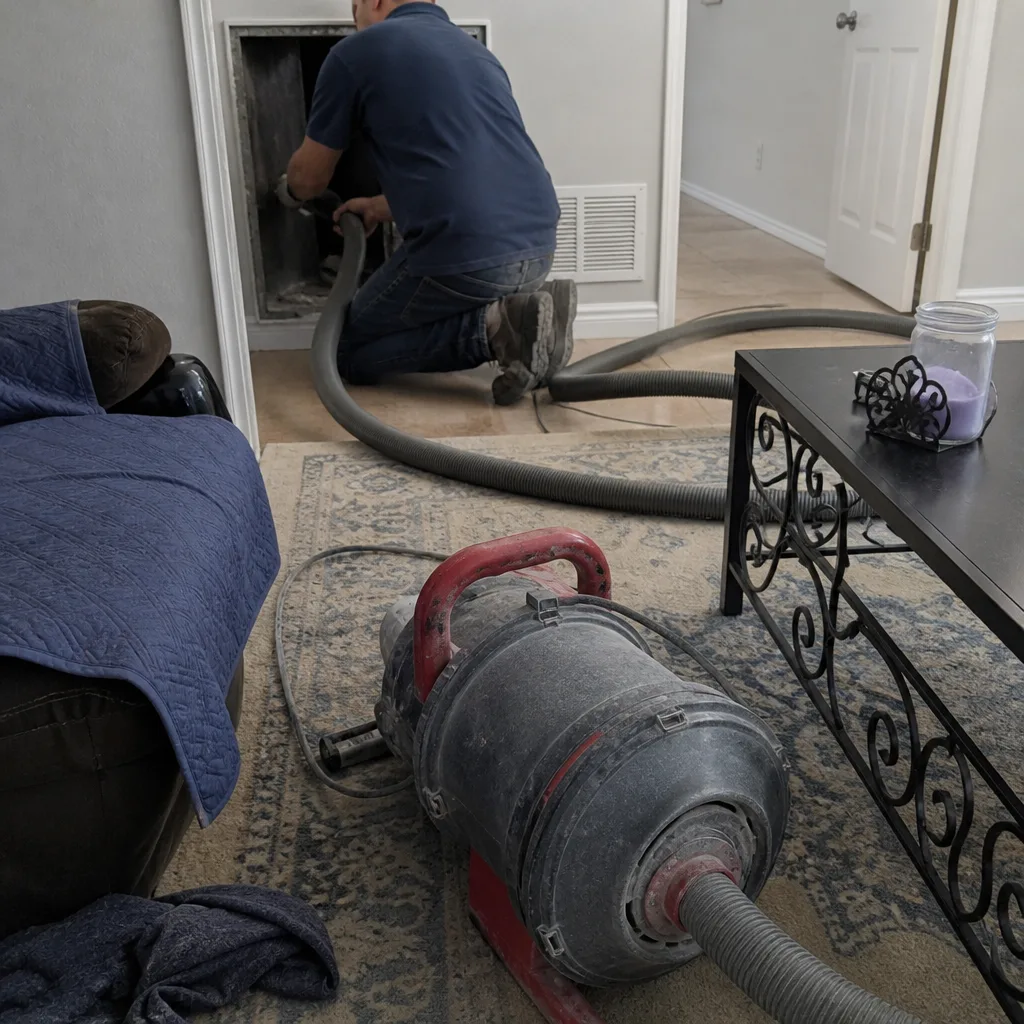
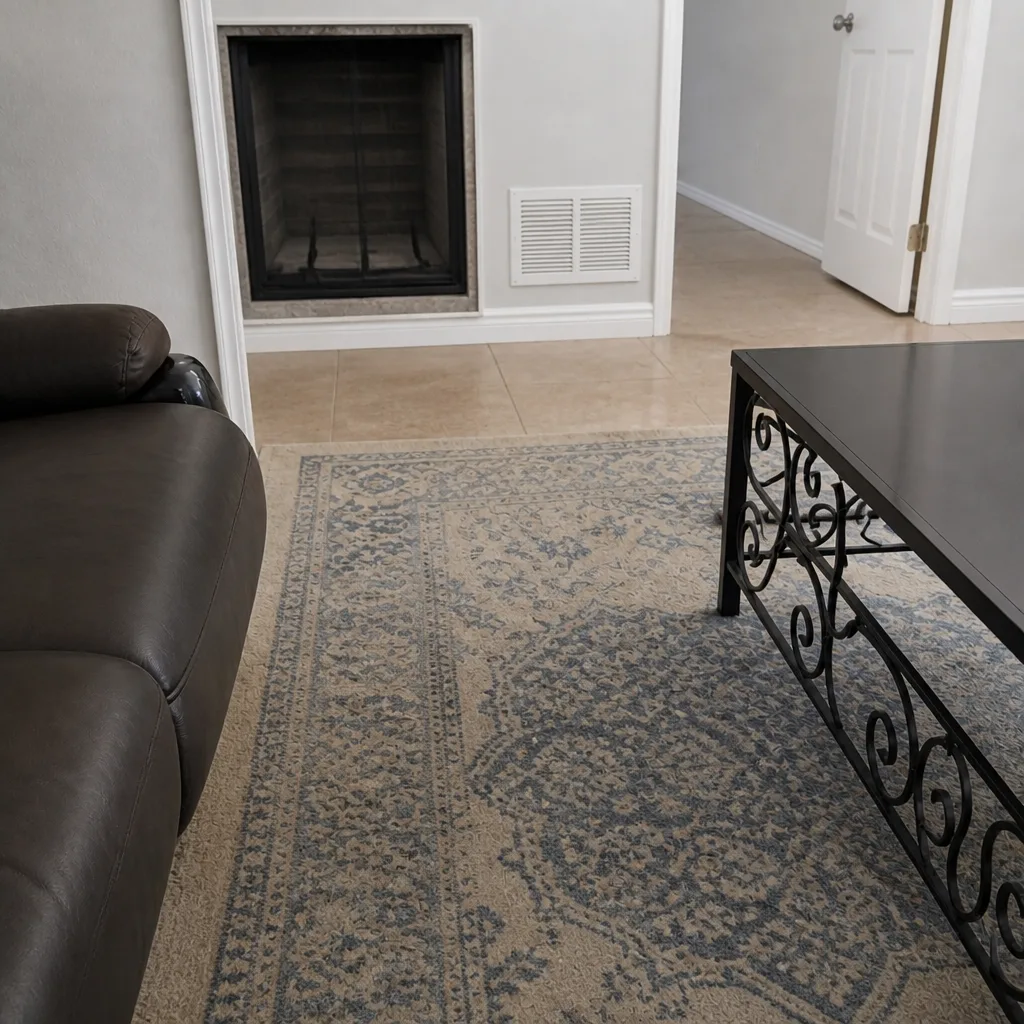
Whole-system duct and dryer vent check with before-and-after photos - you see exactly what came out of your vents
That "$99 whole-house special" is a bait ad - the real number appears once they are in your hallway, or the "clean" is a shop-vac at the register. We photograph the inside of your ducts before and after instead.
Air Duct Cleaning Maintenance Schedule: What to Do and When
Most homeowners in Moreno Valley inherit a maintenance schedule printed on a sticker slapped onto the furnace cabinet by the installer. That sticker usually says something like “clean ducts every 3 to 5 years.” It’s tidy advice. It’s also nearly useless for a house in the Inland Empire, where the air conditioner runs ten months out of the year, dust from the high desert settles on everything, and wildfire smoke turns the sky brown for weeks at a stretch. The real schedule isn’t a calendar. It’s a read on your household: how many pets sleep in the hallway, whether you just gutted a bathroom, and what your ducts are actually made of. This guide lays out what to do monthly, annually, and on a longer cycle, and when to throw the schedule out entirely because conditions changed.
Quick Answer
Most Moreno Valley homes need professional air duct cleaning every 3 to 5 years, but that interval shrinks to 2 to 3 years with multiple pets, recent renovation, or a household member with allergies. You should also schedule an unscheduled inspection after any major wildfire smoke event or a visible dust bloom from your registers. Monthly filter checks and annual register inspections are the maintenance tasks that actually stretch the time between professional cleanings.
Styles & brands we work with
- Whole-home duct cleaning
- Dryer vent cleaning
- Camera inspection
- Sanitizing & deodorizing
Table of Contents
- Why “Every 3 to 5 Years” Fails in Moreno Valley
- The Decision Tree: What Your Household Is Telling You
- Monthly Maintenance: What Takes 10 Minutes
- Annual Inspection: What to Check at Each Register
- Wildfire Smoke and PM2.5: When to Break the Schedule
- Why Duct Material Changes the Timeline
- Maintenance That Extends Professional Cleaning Intervals
- How to Log Maintenance History Like a Technician
Why “Every 3 to 5 Years” Fails in Moreno Valley
The 3-to-5-year rule gets repeated because it’s simple, not because it’s accurate. It assumes a house in a temperate climate with a moderate cooling season, windows shut most of the year, and a furnace filter doing meaningful work. Moreno Valley is different. The cooling season here stretches from late spring well into fall, and plenty of systems run nearly year-round. That means air moves through your ducts almost constantly, carrying whatever is in your return air stream with it. The high-desert environment produces fine dust that sifts through even good filters, and the Santa Ana wind pattern pushes particulate across the valley in ways that older homes with leaky return plenums feel immediately.
We’ve cleaned ducts in homes where the previous cleaning was three years prior and the buildup was minimal, and other homes where eighteen months of shedding from two German shepherds produced a coating on the duct walls that looked like felt. The point is that the variables in your house matter more than the date on a sticker. A home with no pets, a tight return system, and a MERV 11 filter changed religiously can often go five years comfortably. The same floor plan next door with four cats, a renovation in progress, and a fiberglass filter that gets changed when someone remembers will need attention at year two. Treat the standard interval as a starting point, not a rule.
The Decision Tree: What Your Household Is Telling You
Instead of asking “how long has it been,” ask yourself these questions. Each one that applies to your home pushes the cleaning timeline earlier. Here’s how to read your own household:
- Do you have pets that shed? One short-haired dog adds dander and hair to the return air stream. Two or more pets, or any long-haired breed, changes the math significantly. Homes with multiple pets should plan on professional cleaning every 2 to 3 years, not 5.
- Have you done any renovation in the last 24 months? Drywall dust, sawdust from flooring cuts, and general construction particulate get pulled into return ducts during any project that opens walls or floors. Even with drop cloths and zip walls, fine dust migrates. Schedule a cleaning after any major renovation, regardless of the calendar.
- Does anyone in the home have allergies or asthma? Dust, pollen, and mold spores that accumulate in ductwork recirculate through the living space. Allergy sufferers feel the effect before anyone else does. For these households, a 3-year maximum interval is the practical ceiling, and 2 years is often better.
- How old is the home, and what are the ducts made of? Homes built before 2000 in Moreno Valley often have original flex duct that has sagged, separated at joints, or accumulated interior fiberglass shedding. Older sheet metal systems develop rust and leaks at the seams. Both conditions mean more contamination, faster buildup, and a stronger case for a thorough cleaning plus a structural inspection.
- Is your return air system sealed? Homes with leaky return plenums in the attic or crawlspace pull unfiltered air into the system. That air carries whatever is in the attic: insulation fibers, dust, rodent droppings. If you haven’t checked your return for gaps, assume it’s leaky until proven otherwise.
- Do you see dust on surfaces within days of dusting? This indicates the system is distributing particulate rather than removing it. It’s a sign the ducts are loaded or the filter is bypassing air.
Count your “yes” answers. Three or more means you’re on a 2-to-3-year cleaning cycle. One or two means the standard 3-to-5-year window likely holds, provided your monthly and annual maintenance is consistent. Zero means you’re a candidate for the longer end of the range, but still not off the hook entirely.
Monthly Maintenance: What Takes 10 Minutes
The monthly routine is about catching problems before they become duct contamination events. None of this requires tools beyond a flashlight and a phone camera. Here’s the checklist:
- Check the filter. Hold it up to a light. If you can’t see light through it, replace it. In Moreno Valley’s dusty months, especially late summer and fall during Santa Ana season, a 1-inch filter can clog in 30 days. A clogged filter forces the blower to work harder and pulls air around the filter frame instead of through it, which sends unfiltered air into the system.
- Look at the return grille. Is it coated with a gray fuzz? That’s what the filter didn’t catch, and it’s the same material that ends up on duct walls. Wipe it down monthly. If it’s heavily coated two weeks after cleaning, your system is pulling more particulate than the current filter can handle.
- Check the supply registers. Dark streaks radiating from the register face, often called ghosting, mean fine particulate is being blown into the room and sticking to surfaces. It’s a sign of duct leakage or buildup inside the duct run.
- Listen to the system. A whistling sound at the return is a restriction. Rattling at a register can mean a loose duct joint or a damper that’s come free. Both are issues that worsen over time and admit more unfiltered air.
- Check the dryer vent exterior flap. If the flap doesn’t open fully when the dryer runs, or if you see lint accumulating around the outside vent, the line is restricting. That’s a dryer vent cleaning issue, and it’s also a fire-safety issue. The National Fire Protection Association identifies dryer vent buildup as a leading contributor to residential dryer fires.
Ten minutes a month, done consistently, will tell you more about your system’s health than a sticker ever will. If you log what you find, you’ll also have a record that helps a technician make an informed call when you do schedule professional work.
Annual Inspection: What to Check at Each Register
Once a year, walk every room in the house with the system fan running. You’re looking for airflow, odor, and visible contamination. Here’s the step-by-step:
- Remove each supply register (the vent cover). Most come off with two screws or just pull free. Set them aside.
- Look into the duct boot. That’s the metal or plastic box the register attaches to. Run a damp white cloth around the inside. If it comes back gray or brown, you have active buildup. If it comes back black and the material is slimy, that’s a moisture issue and needs professional evaluation.
- Check the flex duct connection. If you can see the flex duct where it joins the boot, look for gaps, sagging, or tape that’s peeling. A gap here means the system is pulling attic air into your conditioned space, and that attic air in a Moreno Valley summer is 120 degrees plus whatever dust, insulation, and rodent activity is up there.
- Note the airflow at each register. This matters because rooms fed by long duct runs, especially upstairs rooms in two-story homes, often get weak flow. If one room is consistently hotter in summer or colder in winter, that’s a duct design or leakage issue, not just an HVAC sizing problem.
- Smell the air coming from each register with the fan on. A musty odor at one register but not others points to a localized issue. A dust-burning smell that fades after a few minutes is normal dust on the heat exchanger at the start of heating season. A persistent odor is not.
- Record what you find. Photos help. A one-line note per room is enough. You’re building a maintenance history that helps establish a buildup rate over time.
This annual walk takes 30 minutes in a typical three-bedroom home. If you find dust that returns to surfaces within a week, or registers that look like they’re growing a fur coat, move your professional air duct cleaning appointment up, regardless of when the last one happened.
Wildfire Smoke and PM2.5: When to Break the Schedule
Moreno Valley sits downwind of wildfire zones across Southern California, and smoke events have become a regular part of late summer and fall. Wildfire smoke carries PM2.5, particulate matter small enough to penetrate deep into the lungs. Your HVAC filter catches some of it. The rest circulates through the return, across the blower, and into the supply ductwork, where it settles on duct walls and coats the interior surfaces. It also works its way into the blower cabinet, the evaporator coil, and the filter housing.
After a smoke event that lasts more than two or three days, or any period where you could smell smoke inside the home, schedule an inspection. Don’t just swap the filter and call it done. The filter captured what it captured, but the fine particulate that got past it is now resident in your duct system. When the next heating or cooling season starts, that particulate gets re-entrained and blown back into the living space. A professional cleaning after a heavy smoke season removes that load before it becomes a chronic indoor air quality problem.
This is also the scenario where professional-grade equipment matters. A rotary brush system like the Rotobrush we run on every job agitates the duct walls mechanically, dislodging fine particulate that a vacuum alone can’t pull free. Combined with a Nikro vacuum collection system, it removes the smoke residue rather than just loosening it. For homes where smoke infiltration was severe, we can deploy Abatement Technologies air filtration equipment to scrub the indoor air during and after the cleaning. That’s the difference between a cleaning that addresses visible dust and one that addresses the particulate you can’t see but can absolutely feel.
Why Duct Material Changes the Timeline
Not all ducts age the same way, and Moreno Valley’s housing stock includes both major types. Understanding what’s in your attic tells you how aggressive your cleaning schedule should be.
Flex duct is the flexible, insulated tubing used in most homes built since the 1980s. The interior liner is plastic over a wire coil, and the exterior is a foil or plastic jacket with fiberglass insulation between the layers. Flex duct fails in specific ways: the inner liner tears, the insulation becomes exposed to the air stream, the duct sags between supports and creates low spots where dust settles, and the connections at boots and plenums come loose. Each of these failures admits dust and releases fiberglass particles into the air stream. A home with original flex duct from the 1990s is going to accumulate contamination faster than a home with new flex, and that older flex may need repair or replacement rather than just cleaning.
Sheet metal duct is the rigid rectangular or round ductwork common in homes built before 1980. It’s more durable, but it leaks at the seams unless sealed, and it rusts in the presence of moisture. In Moreno Valley’s dry climate, rust is less common than in coastal areas, but condensation on the exterior of metal ducts in a hot attic during summer cooling season is a real thing. That condensation attracts dust and can create a caked-on layer that’s difficult to remove without mechanical agitation. Metal ducts also conduct heat, so uninsulated runs in a hot attic lose cooling energy through the duct walls.
The practical takeaway: if you have original flex duct and you’ve never had it inspected, you should plan on a combined cleaning and Duct Cleaning Moreno Valley repair evaluation sooner rather than later. If you have sheet metal and it’s been cleaned professionally within the last five years, your schedule can stretch, provided the return system is sealed and the filter maintenance is on point.
Maintenance That Extends Professional Cleaning Intervals
Professional cleaning isn’t a replacement for good system hygiene. It’s the reset point. What you do between cleanings determines how fast the system reloads with contamination. Here are the practices that actually stretch the interval:
Filter MERV Ratings That Match Your System
A higher MERV rating isn’t always better. MERV 13 filters catch more fine particulate, including smoke, but they also restrict airflow, and many residential blowers can’t handle the pressure drop. The result is reduced airflow, a harder-working motor, and air bypassing the filter entirely at the frame. The right filter for a given system is the highest MERV rating the blower can handle without choking. In many Moreno Valley homes, that’s MERV 8 or MERV 11. A technician can measure static pressure and tell you exactly what your system can support. If you want better filtration than your current system allows, that’s a conversation about upgrading to a media cabinet or a product line like Honeywell or Aprilaire, both of which we stock for customers who want verifiable air quality improvements, not just a cleaner duct system.
Sealing the Return Plenum
The return side of your system is under negative pressure. Every gap, crack, and loose joint in the return pulls unfiltered air from the attic, crawlspace, or wall cavity. In a Moreno Valley attic in August, that air is 120 degrees and full of whatever’s up there. Sealing the return with mastic or foil tape, and doing it properly at the boot connections, reduces the contaminant load entering the system in the first place. It also reduces the cooling load, because the system isn’t pulling superheated attic air into the conditioned space. If you can’t see your return ducts to inspect them, schedule an evaluation. This is one of the highest-impact upgrades for older homes.
Duct Boots and Register Sealing
The boots where registers attach are common leakage points on both flex and metal systems. The gap between the boot and the drywall, or the boot and the subfloor, allows unconditioned air to mix with the conditioned air stream. Sealing those boots with the right material, and ensuring the register itself seats firmly, keeps the air in the duct where it belongs. It also stops dust from migrating into the duct system through those gaps between cleanings.
Dryer Vent Maintenance
Your dryer vent is a duct too, and it carries lint, not just air. Cleaning the lint trap after every load is the baseline, but the line itself accumulates lint that gets past the trap. Every year, inspect the exterior vent and the accessible portion of the line. If you’re seeing lint at the exterior flap, slow drying times, or a musty smell on clothes, schedule a professional dryer vent cleaning. This isn’t just an efficiency issue. It’s the single most important fire-safety maintenance task in most homes.
How to Log Maintenance History Like a Technician
When a technician shows up to clean your ducts, the first question they should ask isn’t “when was the last cleaning?” It’s “what does your maintenance history look like?” A homeowner who can answer that question with specifics gives the technician the information needed to make useful judgments about buildup rate, filter performance, and whether the system needs repair work in addition to cleaning. Here’s how to keep a log that’s actually useful:
- Use a simple spreadsheet or a notes app. One row per maintenance event. Date, what you did, what you observed.
- Log every filter change. Note the date, the filter size, the MERV rating, and the condition of the old filter (clean, moderately dirty, heavily loaded, wet, moldy). This tells a technician how fast your system is loading the filter, which correlates directly with duct buildup.
- Log every register inspection. Note what you saw at each register: dust buildup, airflow strength, odor, visible duct damage. Photos are worth more than words.
- Log every service event. Any professional cleaning, repair, or modification goes in the log with the company name, date, and a one-line summary of what was done. If you have a before-and-after photo set from a professional cleaning, include those; they establish a baseline for the next cleaning interval.
- Log environmental events. Wildfire smoke days, Santa Ana wind events, construction projects in the home, and new pets all get a line in the log. These are the variables that trigger schedule changes, and having them documented means you’re making decisions on evidence, not guesses.
After a few years, this log tells a story. A technician can look at it and say, “your filter loading rate has increased over the last eighteen months, which suggests the ducts are holding more particulate, which suggests it’s time to clean sooner than the standard interval.” That’s a better outcome than a technician arriving blind and making a call based on a single visual inspection. It also gives you leverage when you’re comparing quotes: a contractor who asks about your maintenance history is a contractor who’s thinking about your system holistically, not just selling a one-time cleaning.
Common Mistakes to Avoid
- Waiting for a dust allergy flare-up to schedule cleaning. By the time symptoms worsen, the duct system has been recirculating particulate for months. Annual visual checks catch the problem before it becomes a health issue in the living space.
- Using the cheapest fiberglass filter. A $2 filter catches large debris and little else. In Moreno Valley’s dust-heavy months, those filters let fine particulate load the duct system and the evaporator coil, which shortens the effective cleaning interval and reduces cooling efficiency.
- Removing registers permanently to “increase airflow.” This doesn’t increase total system airflow; it just dumps more air into one room and unbalances the system. It also allows debris to fall directly into the duct boot, which is exactly what you’re trying to avoid.
- Ignoring the dryer vent because “the dryer still works.” Dryer vent restriction builds gradually. By the time drying times increase noticeably, the line is often significantly loaded with lint. This is a fire-risk issue first and an efficiency issue second.
- Sealing registers in unused rooms to save energy. Closing off too many supply registers increases static pressure in the system and can force air through leaks in the ductwork, which pulls more unfiltered air into the system. It also makes the blower work harder. Most residential systems aren’t designed for significant register closures.
- Assuming new ducts don’t need inspection. New construction in Moreno Valley isn’t immune to duct problems. Drywall dust from the build phase gets into ductwork before the system is ever used, and poorly connected flex runs are common. A cleaning after the first year in a new home is often warranted.
- Trusting the previous owner’s word on the last cleaning. Unless there’s a receipt or a log entry, assume the ducts haven’t been cleaned since the house was built. Verbal assurance is worth nothing when you’re looking at a coating of dust on the duct walls.
See the difference
 Before
 After
 Before
 After
 Before
 After
When to Call a Professional
Some issues are visible and fixable with a filter change and a register wipe-down. Others need equipment and expertise you can’t replicate with a shop vacuum. Call a professional when you see dark particulate blowing from multiple registers, when you find mold growth on or inside a duct boot, when a musty odor persists after filter replacement, when airflow drops significantly in one or more rooms, or when your home has been through a renovation or a heavy wildfire smoke season without a subsequent cleaning. Also call if your flex duct is sagging, torn, or separated at any visible connection point, or if you find evidence of rodents or other pests in the system. Duct Cleaning Moreno Valley offers free estimates in Moreno Valley, and we show up with professional-grade Rotobrush and Nikro equipment, not a repurposed shop vac. Call (877) 387-1334. We answer 24/7. Fast dispatch from 7am to 7pm, Sunday through Friday.
Frequently Asked Questions
Most homes in Moreno Valley need professional air duct cleaning every 3 to 5 years, but households with multiple pets, recent renovation, or allergy sufferers should plan on 2 to 3 years. Wildfire smoke events can trigger an earlier cleaning regardless of the calendar. An annual visual inspection will tell you whether your system is loading faster than the standard interval.
A higher-MERV filter catches more fine particulate, which can reduce the rate of duct contamination, but only if your blower can handle the airflow restriction. In many residential systems, a MERV 13 filter chokes the airflow and causes bypass around the filter frame. The right approach is to match the filter MERV rating to your system’s static pressure capability, and to change the filter on schedule. Call (877) 387-1334 if you want a technician to evaluate what your system can support.
Remove a supply register and run a damp white cloth around the inside of the boot. If it comes back coated, that’s active buildup. If you see dark streaks radiating from the register face, or if dust reappears on surfaces within days of dusting, the system is distributing particulate. A professional inspection with a camera scope can show you the interior of the duct runs so you can make the call based on evidence rather than guesswork.
Yes. Older homes in Moreno Valley often have original flex or sheet metal ductwork that has never been cleaned, and you don’t know what the previous occupants or a renovation left behind. A cleaning plus a structural inspection establishes a baseline for your ownership, and it identifies leaks, sags, or damage that should be addressed before they worsen. Move into the home clean, then maintain it on a schedule that fits your household.
The equipment is the difference. A professional cleaning uses a rotary brush system designed for duct agitation, paired with a powerful vacuum collection system that captures dislodged debris rather than blowing it into the house. Cheap cleanings often use a shop vacuum or a simple brush-on-a-drill, which loosens debris without fully collecting it. We run Rotobrush agitation and Nikro collection equipment on every job, and we can deploy Abatement Technologies air filtration for homes that need containment-level air quality work.
Yes, if the smoke event lasted more than two or three days or you could smell smoke inside the home. PM2.5 from wildfire smoke settles on duct walls, the blower, and the coil, and it recirculates when the system runs. A filter change handles the easy part. A professional cleaning removes the fine particulate that’s already resident in the system. Call (877) 387-1334 for an estimate. We answer 24/7.
The Bottom Line
A duct cleaning schedule that works in Moreno Valley is built on your specific household variables: pets, renovation history, allergies, home age, duct material, and how consistently you maintain the filter and registers. The 3-to-5-year rule is a starting point, not a commandment. Monthly filter checks, an annual register-by-register inspection, and a simple maintenance log will tell you when the schedule needs to shift. And when it does, a professional cleaning with real equipment, not a discount shop vac, resets the system so you can start the clock again with a clean baseline. This is what Moreno Valley homeowners tell us they want: straight answers, real equipment, and a schedule they can actually keep.
Written by the team at Duct Cleaning Moreno Valley, serving Moreno Valley since 2016.