
Last updated November 4, 2026
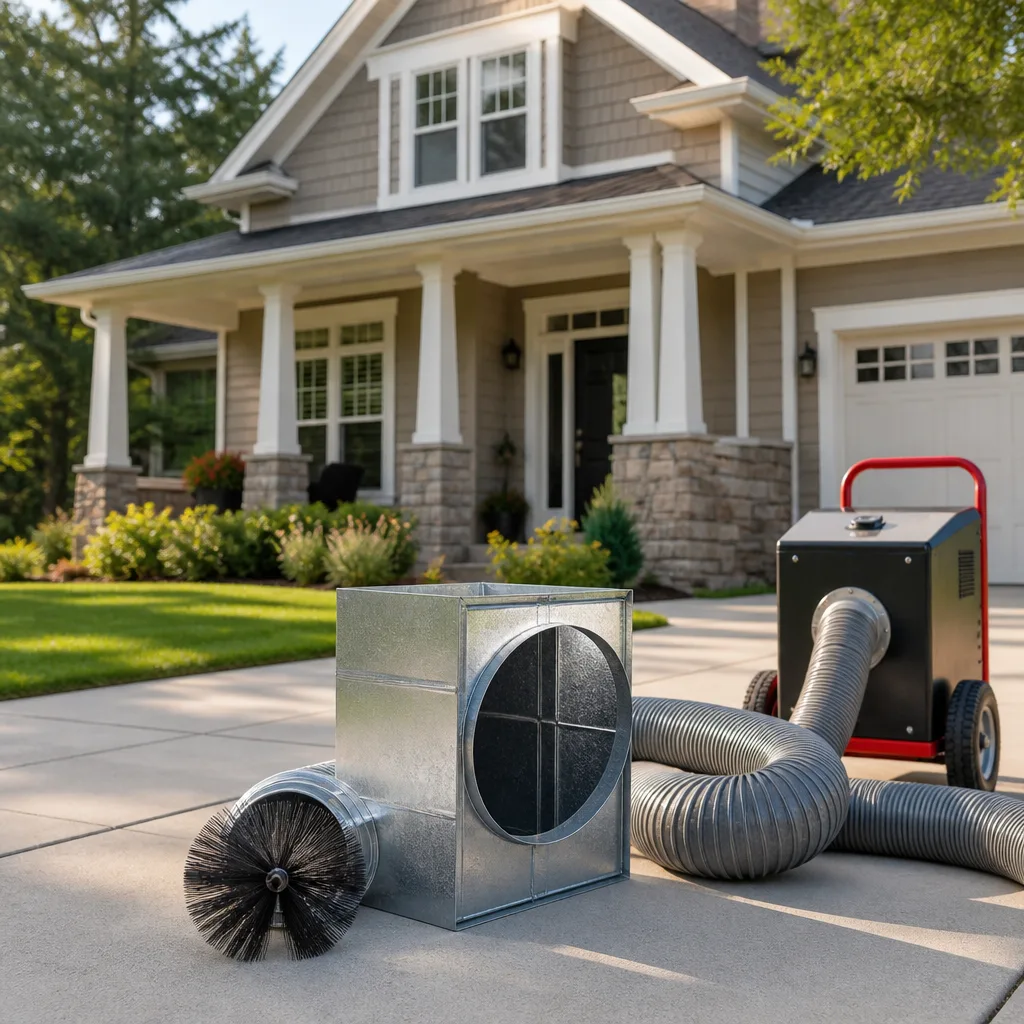 Whole-home duct cleaning
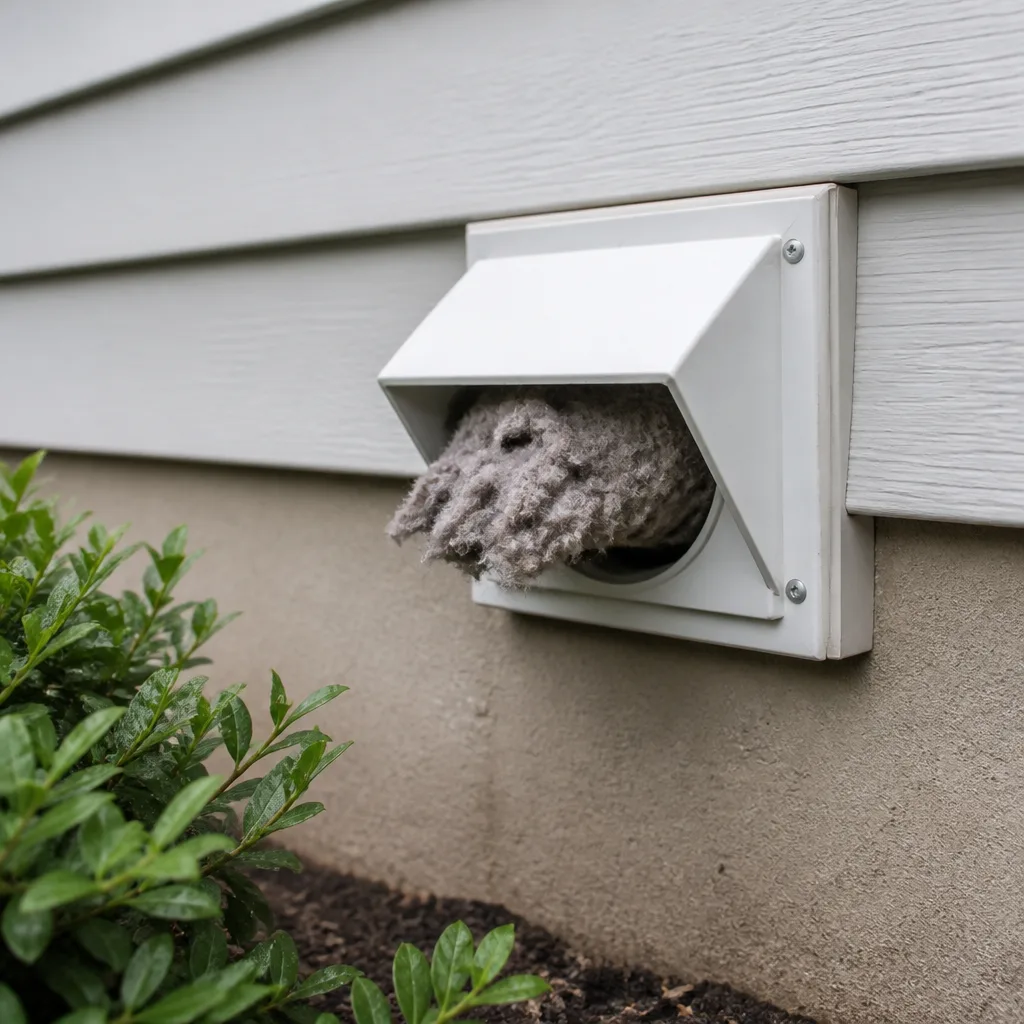 Dryer vent cleaning
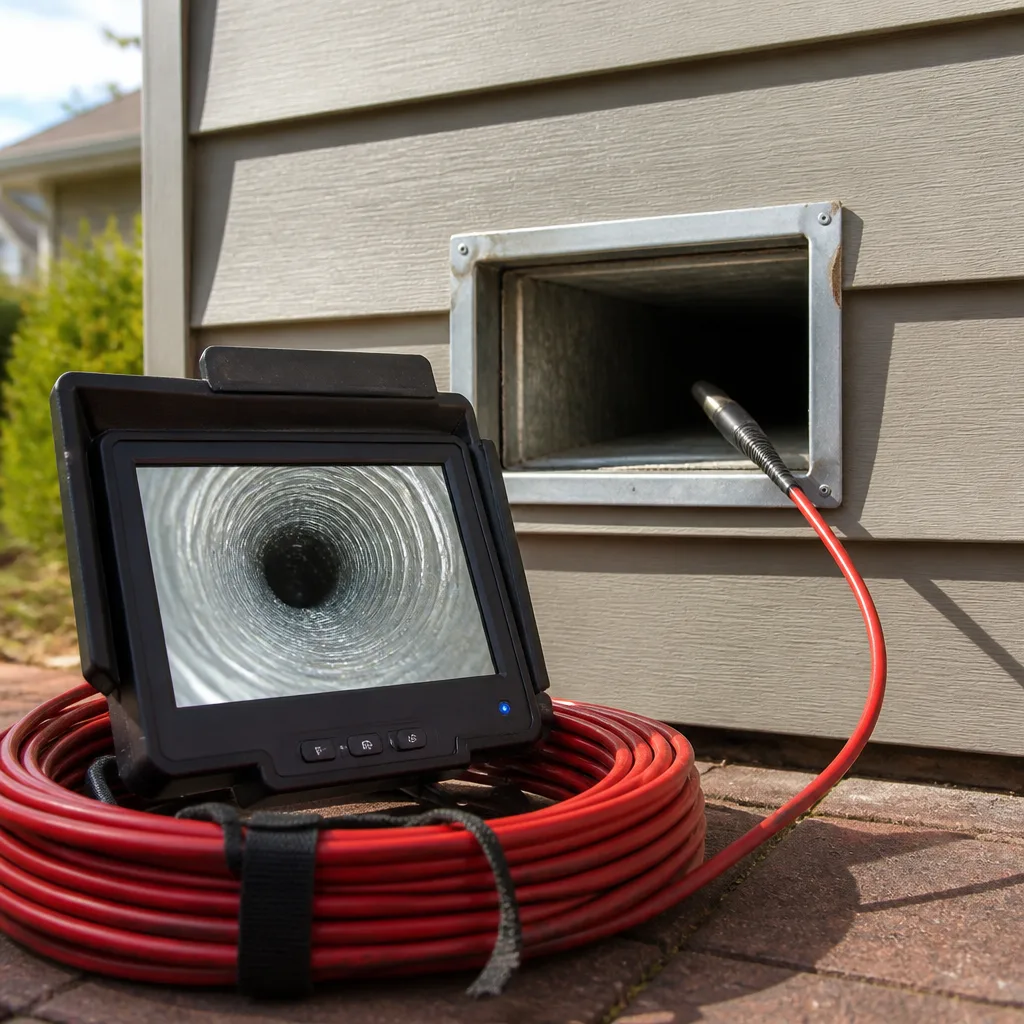 Camera inspection
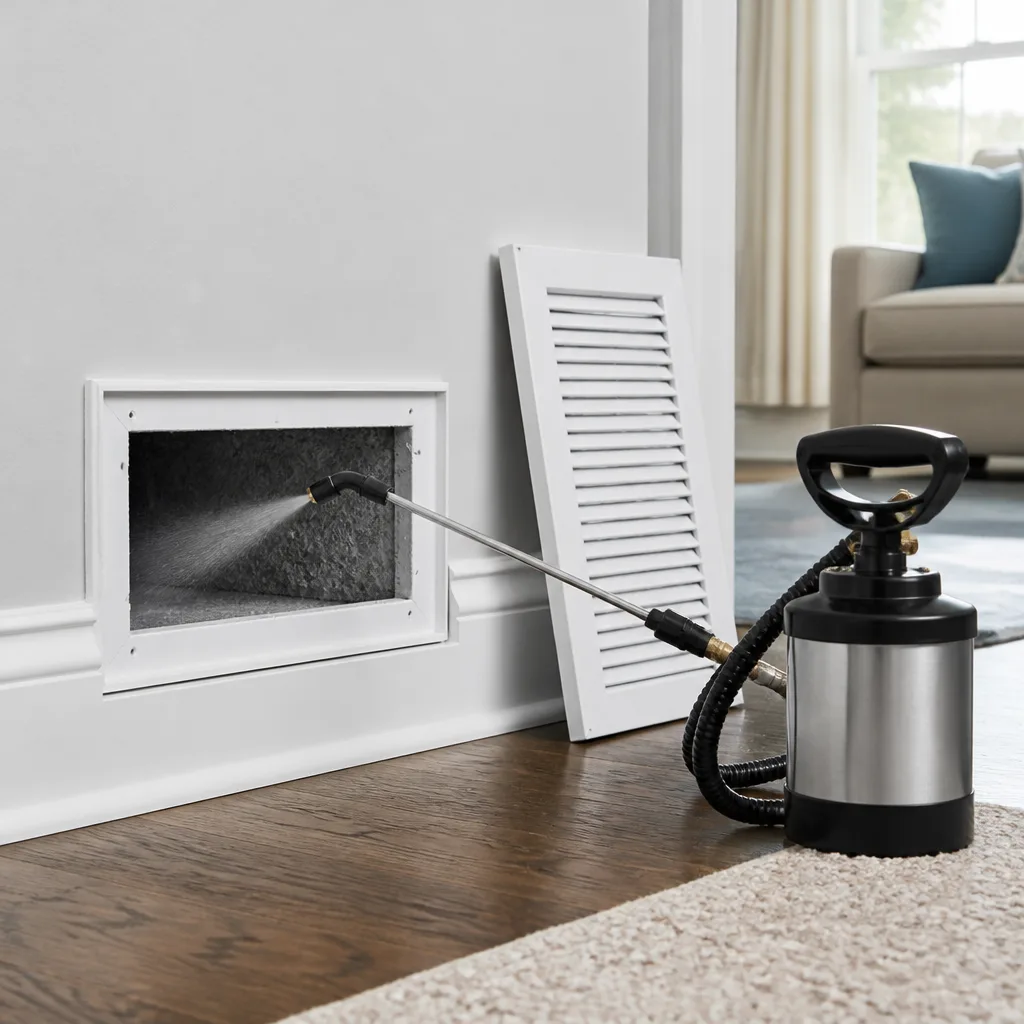 Sanitizing & deodorizing
Whole-system duct and dryer vent check with before-and-after photos - you see exactly what came out of your vents
That "$99 whole-house special" is a bait ad - the real number appears once they are in your hallway, or the "clean" is a shop-vac at the register. We photograph the inside of your ducts before and after instead.
Air Duct Cleaning Warning Signs: A Moreno Valley Homeowner’s Reference Guide
Most homeowners in Moreno Valley wait until a problem becomes obvious before they think about their ductwork. Visible mold, a room that never cools, or a burning smell that lingers for days. By that point, you’re not catching an early warning sign. You’re responding to a system that’s been failing quietly for months, sometimes years. This guide focuses on the signals that appear long before contamination reaches a critical threshold. The subtle mechanical shifts, the faint odors, the unexplained energy usage patterns. If you learn what these mean and why they occur, you can address a developing duct problem before it becomes a repair bill and a health concern. And in our climate, where your HVAC system runs hard through long Moreno Valley summers, early detection matters more than it does almost anywhere else.
Quick Answer
The earliest warning signs that your air ducts need cleaning in Moreno Valley include a rise in your SCE bill without a matching change in temperatures, rooms that are consistently warmer or cooler than the rest of the house, a musty or burning-dust odor that appears when the system cycles on, and a furnace filter that’s collecting unusual debris like insulation fibers or black particulate. These signals indicate restricted airflow, biological growth, or duct liner deterioration. If you notice any two of them together, schedule an inspection. Call (877) 387-1334 for a free estimate.
Styles & brands we work with
- Whole-home duct cleaning
- Dryer vent cleaning
- Camera inspection
- Sanitizing & deodorizing
Table of Contents
- The Energy Bill Signal: What a Quiet 15% Increase Actually Means
- Airflow Asymmetry: Why One Room Never Feels Right
- The Odor Identification Guide: Three Smells, Three Different Problems
- Reading Your Filter: What the Debris Tells You About Your Ducts
- Noise Changes: Rattling, Whistling, and Thumping as Diagnostic Clues
- Post-Wildfire Smoke: Surface Soot vs. Duct Liner Penetration
- Why Moreno Valley’s Climate Accelerates Duct Contamination
- Common Mistakes to Avoid
- When to Call a Professional
- Frequently Asked Questions
The Energy Bill Signal: What a Quiet 15% Increase Actually Means
A 15% increase in your SCE electric bill during a month with similar temperatures isn’t a utility rate issue. It’s often a sign your HVAC system is working harder because restricted, debris-coated ducts are reducing airflow efficiency. Most homeowners attribute it to the wrong cause for over a year before it surfaces as a service call. They blame the rate schedule, an aging AC unit, or the kids leaving doors open. Meanwhile, the real culprit sits above the ceiling or behind the walls.
Here’s the mechanical explanation. Your blower motor is designed to move a specific volume of air against a specific static pressure. When dust, pet hair, and debris accumulate on the interior walls of your ductwork, the effective diameter of those ducts narrows. The blower now has to push the same amount of air through a smaller passage. That takes more energy. Your system runs longer to reach the thermostat setpoint. The result is higher electricity consumption with no change in comfort settings or outdoor conditions.
We also see this pattern in systems where the return side is restricted. A return duct that’s partially blocked by accumulated debris creates negative pressure. The blower strains to pull air through. The amp draw on the motor increases. Over time, this shortens the life of the blower motor itself, and that’s a component far more expensive to replace than the cost of a professional cleaning.
What you should watch for in Moreno Valley specifically: our cooling season stretches from late spring through early fall. If your June bill is significantly higher than your May bill, but June wasn’t significantly hotter, restricted ducts are a prime suspect. The same logic applies if your bill jumps year over year for the same month, with no major rate changes and no new appliance running. We recommend tracking your monthly kWh usage, not just the dollar amount. SCE shows you both on your statement. The usage number removes rate variables from the equation. If kWh climbed 10% or more while temperatures stayed similar, restricted airflow is a likely contributor.
Airflow Asymmetry: Why One Room Never Feels Right
Some rooms cool faster than others, and that’s often not a thermostat problem. It’s a duct restriction or disconnection issue. The thermostat only measures the temperature at its own location. It has no idea what’s happening in the back bedroom or the home office. If one room is always five degrees warmer in summer, the problem is usually in the duct run serving that room.
Here’s how to do a simple room-to-room temperature differential check without any special equipment:
- Set your thermostat to a consistent cooling setpoint, and let the system run for at least 30 minutes. You want the system to reach steady-state operation, not the transient period right after it kicks on.
- Use a basic digital thermometer. Walk through each room and record the temperature at chest height, away from windows and supply registers. Keep the thermometer in each room for two to three minutes so it stabilizes.
- Compare the readings. A difference of 2 degrees or less between rooms is normal for most homes. A difference of 4 degrees or more suggests a duct problem serving the warmer room.
- Check the register airflow in the problem room. Hold a tissue or strip of paper near the supply vent while the system is running. Compare how much it moves versus a register in a room that cools well. If the tissue barely moves in the problem room, airflow is restricted.
- Note the location of the problem room relative to the air handler. Rooms at the end of long duct runs naturally receive less airflow, but if the problem room is close to the air handler and still struggles, a disconnected or collapsed duct is likely.
We find disconnected flex ducts in Moreno Valley homes more often than most people would expect. The connections can separate at the register boot or at a junction box. When a duct separates, your conditioned air is being blown into the attic or crawlspace instead of the room. Your system works harder, the room stays uncomfortable, and you’re paying to cool an unfinished space. This is also a prime entry point for dust and insulation particles to get pulled into the duct system and distributed through the house.
Restricted airflow due to internal debris buildup is the other common cause. In homes with pets, the first few feet of ductwork near the return grille can be heavily coated within three to five years. If your home in Moreno Valley was built before 2000 and the ducts have never been cleaned, you should assume there’s meaningful internal buildup even if the registers look fine from the outside.
The Odor Identification Guide: Three Smells, Three Different Problems
Not every odor from your vents means the same thing, and the differences matter. Homeowners frequently misdiagnose these smells and either ignore a serious problem or overreact to a temporary one. Here’s a practical breakdown based on what we encounter in Moreno Valley homes.
Musty or Damp-Smelling Air
A persistent musty odor that appears every time the blower runs usually indicates biological growth somewhere in the system. This could be on the evaporator coil, inside the drain pan, or on the interior surfaces of ductwork that has been exposed to moisture. In Moreno Valley, the most common cause we find is condensate that isn’t draining properly. The coil produces condensation during cooling season. If the drain line clogs or the pan doesn’t slope correctly, water sits. Where water sits, biological growth follows. The smell is strongest when the system first starts because the blower pushes air across these damp, contaminated surfaces. This is not a problem that resolves by switching to a different air filter. It requires finding the source of moisture and removing the contaminated material.
Burning Dust Smell
Here’s the one that confuses people the most. The first few times your furnace kicks on in fall, a faint burning smell for a few minutes is normal. Dust settles on the heat exchanger during the months the furnace sits idle. When the burners fire, that dust burns off. The smell should dissipate within a few minutes of the first cycle or two, and it should not return until the next seasonal changeover. If the burning dust smell persists beyond the first day of heating season, that’s a different situation. It means there’s a substantial accumulation of dust inside the system, and the air passing across the heated surfaces keeps picking up new particles. Persistent burning dust odor tells you there’s a reservoir of debris inside the ducts. The system is effectively cooking dust continuously. That’s a sign you need a thorough cleaning, not just filter changes.
Chemical or Acrid Smell
A chemical odor that doesn’t smell like burning and isn’t musty is the most urgent of the three. It often indicates duct liner degradation. Older ductwork sometimes used fiberglass or other synthetic liner materials. Over time, especially in systems that have run hard in our climate, those liners can break down and off-gas. The smell is sometimes described as formaldehyde-like or plastic-like. This is not something to wait on. Duct liner that’s degrading can release particles into the airstream, and the liner itself may need to be removed or the affected duct sections replaced. If you smell this, turn the system off and call a professional same-day. We answer 24/7. Fast dispatch from 7am to 7pm, Sunday through Friday.
Reading Your Filter: What the Debris Tells You About Your Ducts
Your furnace filter is doing more than protecting the equipment. It’s collecting physical evidence of what’s happening upstream in your duct system. If you look at what the filter catches, you can often identify internal duct problems before they become visible elsewhere in the home.
Here’s what different types of debris on a filter indicate:
- Insulation fibers: Pink, yellow, or white fibrous material on the filter usually means a return duct has a gap, crack, or disconnection somewhere in an attic or crawlspace. The negative pressure in the return side pulls loose insulation into the system. This is a common finding in Moreno Valley homes with ducts in unconditioned attics. The fix is locating and sealing the leak, then cleaning the duct system to remove the accumulated fibers.
- Drywall dust: Fine white or gray dust, especially in a home that had renovation work done at any point in the past, is often residual construction debris inside the ducts. Builders and renovators frequently run the HVAC system during construction, pulling drywall dust through the return and depositing it throughout the duct network. It may sit there for years. If your filter is catching drywall dust long after any renovation, that dust is circulating from inside your ducts.
- Black particulate: Dark, sooty residue on the filter can point to several causes. If you burn candles frequently, some black soot is expected. If you have an old gas furnace, incomplete combustion can produce soot that gets pulled into the ductwork. If neither of those applies, black particulate may indicate the breakdown of flexible duct liner material. This is worth investigating promptly.
- Heavy pet hair and dander: We see this constantly in Moreno Valley homes with indoor dogs or cats. Hair that’s visible on the return grille is already being pulled deep into the ducts. Within a few years, pet hair can combine with dust to form a matted layer on duct walls. If the filter is coated with pet hair within a month of replacement, the ducts themselves are holding far more than what you see on the filter.
The filter itself is not the solution. It’s a symptom gauge. If you’re replacing filters more frequently than the manufacturer’s schedule because they’re loading up, the duct system is the source. Cleaning the ducts reduces the load on the filter and improves the system’s ability to actually filter the air passing through it.
Noise Changes: Rattling, Whistling, and Thumping as Diagnostic Clues
Your duct system makes specific sounds when it’s working correctly. It makes different sounds when it’s not. Train yourself to distinguish the baseline from the warning signs. In our experience, homeowners in Moreno Valley often live with abnormal duct noise for months because it blends into the general sound of the blower and the outside environment.
Rattling
A rattle that happens when the blower starts or changes speed usually means something is loose inside the ductwork or at a connection point. It can be debris moving around, a disconnected section of flex duct, or a register that’s come unseated from its boot. The fix may be as simple as resealing the register, or it may require opening the duct access to remove debris. A rattle that gets louder over time suggests a connection is working its way farther apart. Address it before a full separation happens.
Whistling
A high-pitched whistle indicates restriction. The air is being forced through a passage that’s too small. The most common causes we find are collapsed flex duct, a damper that has shifted to a mostly-closed position, or a deep accumulation of debris that has narrowed the effective duct diameter. If the whistle is present in a single room, the restriction is likely in that room’s branch duct. If it’s present throughout the house, the restriction is at the main trunk or the return. A collapsed flex duct in an attic is a frequent finding in Moreno Valley homes. The plastic inner liner can collapse and the wire coil can kink over time, especially when attic temperatures are high. The result is a noticeable whistle and a room that never gets comfortable.
Thumping
A rhythmic thump, often occurring when the blower cycles on or off, indicates a pressure imbalance. The duct system is designed to be balanced between supply and return. When the return side is blocked or restricted, the supply side becomes pressurized. Duct walls may flex outward with a visible bulging motion. When the blower shuts off, the pressure releases and the duct snaps back, producing a thump. This is most common with oversized systems or undersized return ductwork, but a return-side blockage can create the same effect. The long-term stress on duct joints and seams from repeated pressure cycling eventually causes connections to fail.
Post-Wildfire Smoke: Surface Soot vs. Duct Liner Penetration
Moreno Valley sits in a region where wildfire smoke is a seasonal reality. When smoke drifts through the area, it doesn’t just settle on your patio furniture and windowsills. Your HVAC system pulls smoke-laden air through the return and circulates it through the house. The filter catches some particulate. The rest accumulates inside the duct system.
The critical distinction is between surface soot and liner penetration:
Surface soot is particulate that settles on the interior surfaces of the ductwork. It sits on top of the metal or liner and can be dislodged by intentional cleaning, air movement, or vibration. It’s visible as a dark film. In most cases, surface soot can be removed with the appropriate cleaning equipment and technique.
Liner penetration is different. Fiberglass and certain synthetic duct liners are porous. Smoke particulate, especially the fine material from wildfire smoke, can work its way into the porous structure of the liner. Once embedded, surface cleaning doesn’t remove it. The liner may continue to release smoke odor for months or years because the particulate is trapped within the material. In these cases, the liner itself may need to be replaced or the affected sections of ductwork changed out.
Here’s how to assess the difference after a smoke event:
- Inspect the return grille and the first few feet of visible duct behind it. If you see a dark film that wipes away easily with a damp cloth, that’s surface soot.
- Run the system and note whether the smoke odor diminishes over several days or remains constant. Surface soot typically off-gasses and the smell fades. Liner penetration keeps releasing odor indefinitely.
- Check the filter. A filter that turns dark within days of a smoke event had heavy particulate passing through it. If the filter is dark, assume the ducts behind it are darker.
- If the smell lingers for more than two weeks after the outdoor air has cleared, schedule an inspection. The smoke is likely embedded in the liner and professional cleaning alone may not resolve it. A proper assessment will tell you whether cleaning is sufficient or liner replacement is necessary.
For post-wildfire smoke assessment and cleaning, we use professional-grade equipment including Abatement Technologies air filtration units on jobs that require containment and air scrubbing. It’s a far more involved process than a basic cleaning, and it’s the appropriate response when smoke has penetrated beyond surface level.
Why Moreno Valley’s Climate Accelerates Duct Contamination
The climate in Moreno Valley works against your duct system in specific ways. We don’t have the freeze-thaw issues that other regions face, but we have our own set of challenges, and they’re driven by heat and dust.
Our cooling season is long and intense. That means your HVAC system runs more hours per year than a comparable system in a coastal climate. More runtime means more air passing through the ducts. More air passing through means more dust, pollen, and particulate being deposited on the duct walls. It’s a cumulative effect. Every hour the system runs adds a layer, however thin. Over a Moreno Valley summer, those layers build into a measurable deposit.
Our region is also dusty by nature. The dry climate means fine, airborne particulate is a constant presence. Yards, construction sites, and wind-blown dust from the surrounding Inland Empire contribute to the load. That dust gets pulled into the return air, passes through the filter, and settles in the ducts. Homes near newer development areas of Moreno Valley tend to have more construction-generated dust in their systems. Homes near open land deal with more wind-blown dust. Both situations accelerate duct contamination.
Attic temperatures here reach extreme levels in summer. Ducts in unconditioned attics are exposed to temperatures well over 120 degrees. Flexible duct materials become more pliable at those temperatures, and connections can loosen. The plastic liners in some flex ducts degrade faster in sustained heat. Metal ducts expand and contract with daily temperature cycles, which can work connections loose over years. All of this means the mechanical integrity of your duct system is under constant thermal stress in Moreno Valley, and small failures accumulate.
The practical takeaway: if you live in Moreno Valley and haven’t had your ducts inspected, the odds favor meaningful accumulation and at least one issue worth addressing. That’s not fear-based marketing. It’s the straightforward result of a dusty, hot climate and a system that runs hard.
Common Mistakes to Avoid
- Assuming a dirty filter is the whole story. A loaded filter tells you the system is moving contaminated air. It doesn’t tell you what’s still deposited in the ducts behind it. Replace the filter, yes, but if it’s loading up fast, the ducts need attention.
- Ignoring a single warm room because the rest of the house cools fine. That warm room is usually a duct restriction or disconnection. Waiting doesn’t fix it, and the system keeps working harder than it should.
- Closing registers in unused rooms to save energy. It seems logical, but closing registers increases static pressure in the system and can worsen airflow in other rooms. It can also push more conditioned air through leaks in the ductwork. Keep registers open unless a professional has recommended otherwise.
- Attributing a winter dust-burning smell to an annual quirk. The first-cycle burnoff is normal. A smell that persists beyond the first day means there’s a dust reservoir inside the system that keeps cooking. That’s a cleaning issue, not a seasonal quirk.
- Assuming post-wildfire smoke smell will go away on its own. If the smoke penetrated duct liner, it won’t. The odor will return every time the system runs, sometimes for years. Assess the ducts after any significant smoke exposure in Moreno Valley.
- Hiring a low-bid cleaner and expecting a thorough job. Duct cleaning is one of those services where equipment matters. A service using Rotobrush rotary brush systems and Nikro equipment is deploying tools designed specifically for duct cleaning. A shop vac and a brush can’t reach what those systems can. The price difference reflects the process. We use Rotobrush and Nikro systems on every air duct cleaning job in Moreno Valley.
- Waiting until you see visible mold before acting. By the time mold is visible at the register, it’s been growing in the system for a while. The musty odor and the condensation issues that precede visible growth are your early warnings. Address them at the odor stage and you avoid the larger remediation.
When to Call a Professional
Some situations call for a professional assessment sooner rather than later. If you have a persistent musty odor that doesn’t clear within a few days, a chemical smell from the vents, or visible particulate blowing from the registers when the system starts, schedule an inspection. If you’ve had a significant wildfire smoke event and the smell persists after the outdoor air clears, don’t wait. If a room is consistently 4 degrees or more off from the rest of the house and closing and opening registers hasn’t helped, you likely have a disconnected or collapsed duct. And if your SCE kWh usage has climbed 10% or more with no obvious explanation, restricted airflow is a leading cause worth ruling out. Duct Cleaning Moreno Valley offers free estimates in Moreno Valley. Call (877) 387-1334. We answer 24/7. Fast dispatch from 7am to 7pm, Sunday through Friday.
Frequently Asked Questions
You’ll see a combination of signals: a persistent musty or burning-dust odor from the vents, visible dust blowing from registers when the system starts, filters that load up unusually fast, or rooms that never reach the same temperature as the rest of the house. Any one of these suggests the ducts should be inspected. Two or more together mean cleaning is likely warranted. Call (877) 387-1334 for a free estimate in Moreno Valley.
The cost depends on the size of the home, the number of supply and return vents, the level of contamination, and whether any repairs are needed. Every job is priced by a written estimate after we assess the system. We don’t quote per-vent teaser prices, and we don’t upsell mid-job. The estimate you get is the price you pay. Call (877) 387-1334 and we’ll walk you through what to expect.
The difference is almost always in the equipment and the process. Some low-bid services use a shop vac attached to a brush, which can’t reach the full depth of the duct runs and can’t agitate adhered debris off the walls. We use Rotobrush rotary brush systems and Nikro equipment, which are designed specifically for duct cleaning. The equipment reaches further, cleans more thoroughly, and captures debris rather than sending it into the house. A professional cleaning costs more because it’s a different process with different tools. If you’d like to understand what’s included, call (877) 387-1334.
Ask for before-and-after photos of your own duct interiors. We provide them on every job. You’ll see the duct walls before we start and the same sections after cleaning. You can also check the registers and the main trunk visually after the service. The surfaces should be free of visible debris and the airflow from each register should feel consistent. We welcome you to inspect the results yourself.
In our climate, most homes benefit from a thorough cleaning every three to five years. Homes with pets, recent renovation work, or heavy wildfire smoke exposure may need it more often. The best approach is to inspect the system and let the condition of the ducts guide the schedule rather than following a fixed interval. If you’ve never had the ducts cleaned and the home is over a decade old, you should assume there’s meaningful accumulation.
Yes. Dust, pollen, pet dander, and biological contaminants that accumulate in ducts get distributed through the home whenever the system runs. For allergy sufferers, pet owners, and parents of young children in Moreno Valley, this means the HVAC system is continuously recirculating irritants. Cleaning the ducts removes that reservoir and gives your filtration system a chance to work. We can also recommend Honeywell and Aprilaire IAQ products if you want to improve filtration after the cleaning is done.
The Bottom Line
Your duct system communicates its condition through your energy bill, your airflow patterns, the odors from your registers, the debris on your filter, and the sounds from your vents. Learning to read those signals early means the difference between a straightforward cleaning and a larger repair. In Moreno Valley, where heat and dust put constant stress on HVAC systems, the odds of meaningful duct accumulation are high in any home that hasn’t been inspected in years. If you recognize any of the warning signs described in this guide, don’t wait for them to get louder. Air duct cleaning and dryer vent cleaning both address the hidden parts of your home’s air quality. For residential Moreno Valley homeowners, a free estimate is the lowest-cost way to find out what’s actually going on in your ducts. Call (877) 387-1334. We answer 24/7. Fast dispatch from 7am to 7pm, Sunday through Friday.
Written by the team at Duct Cleaning Moreno Valley, serving Moreno Valley since 2016.
See the difference
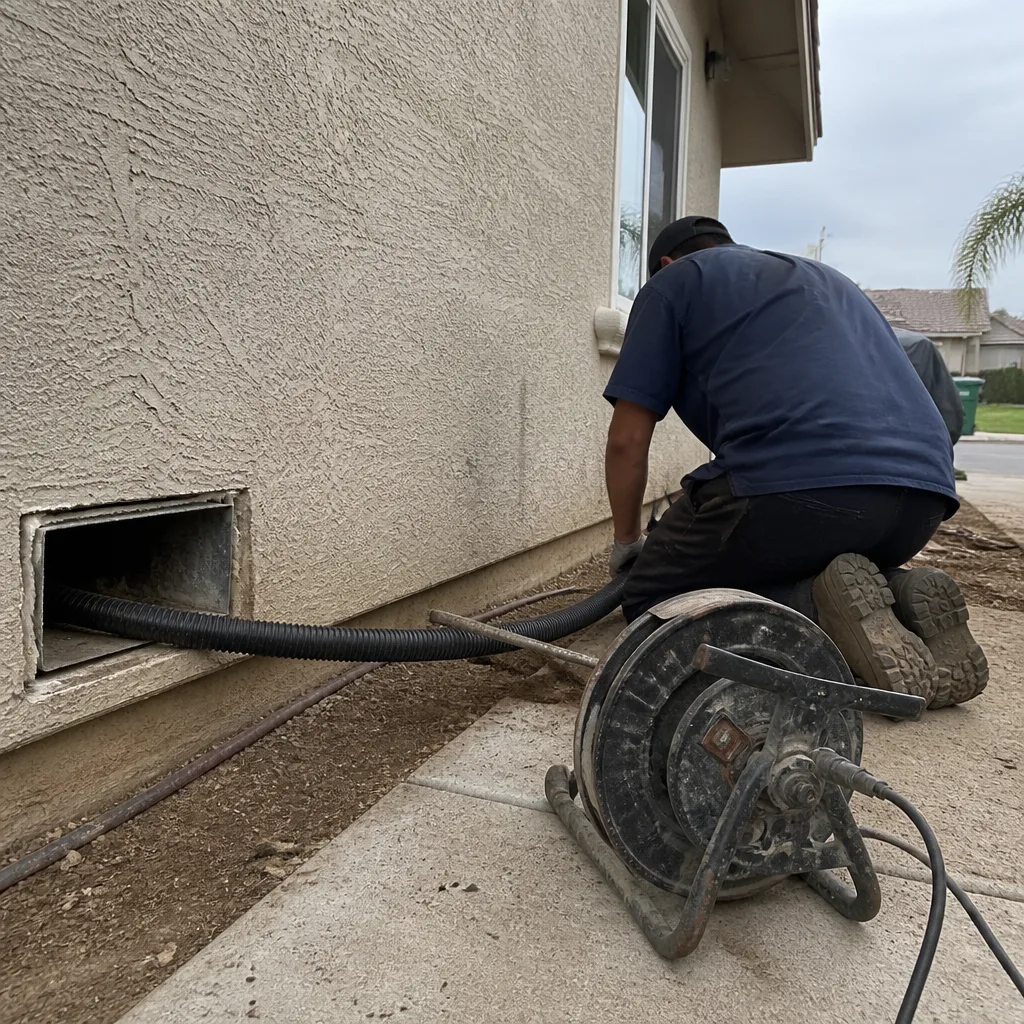 Before
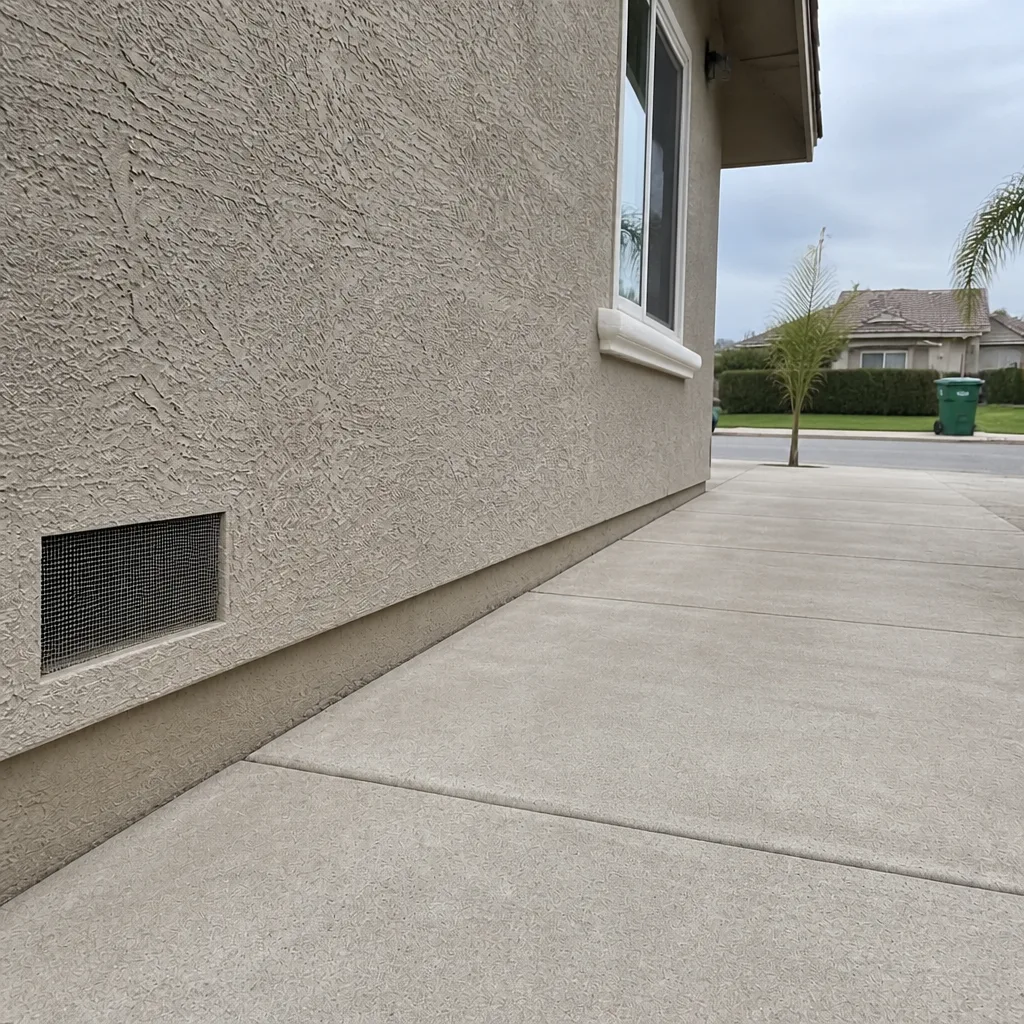 After
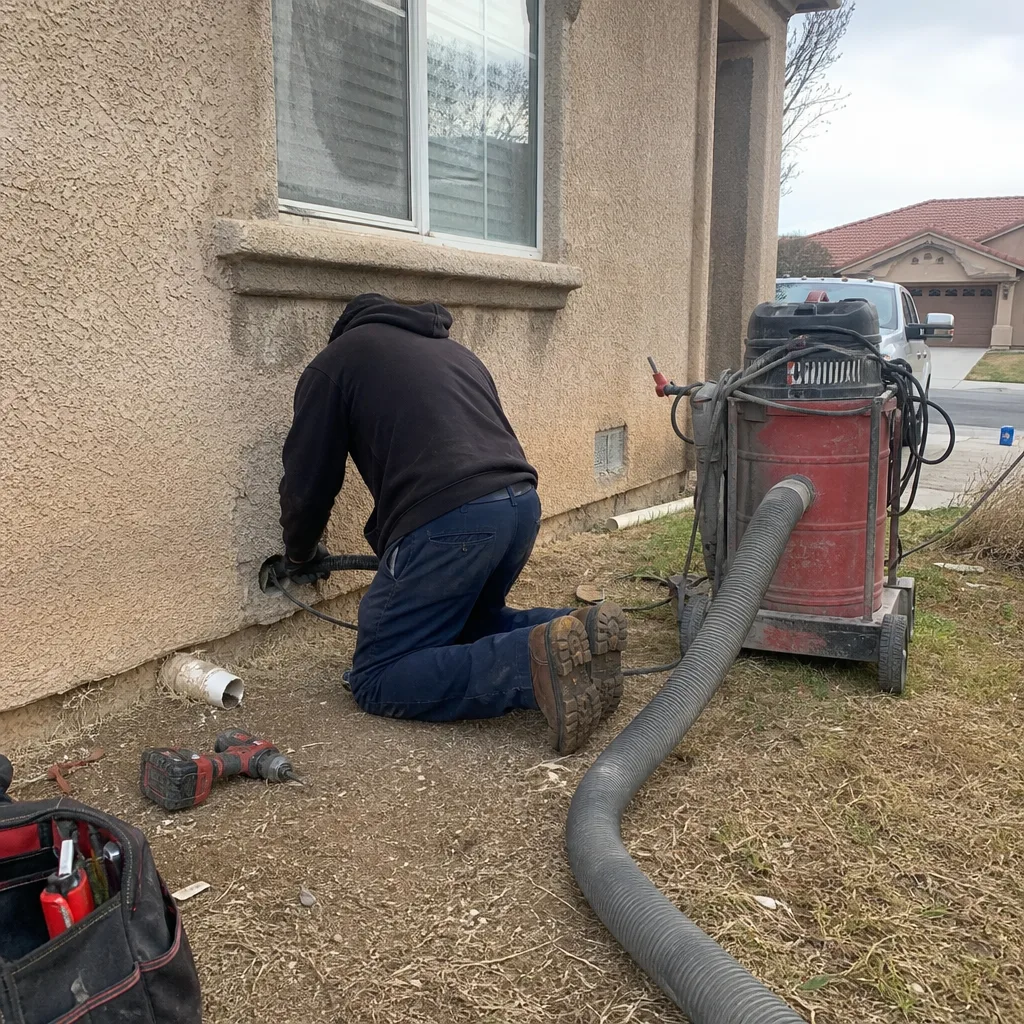 Before
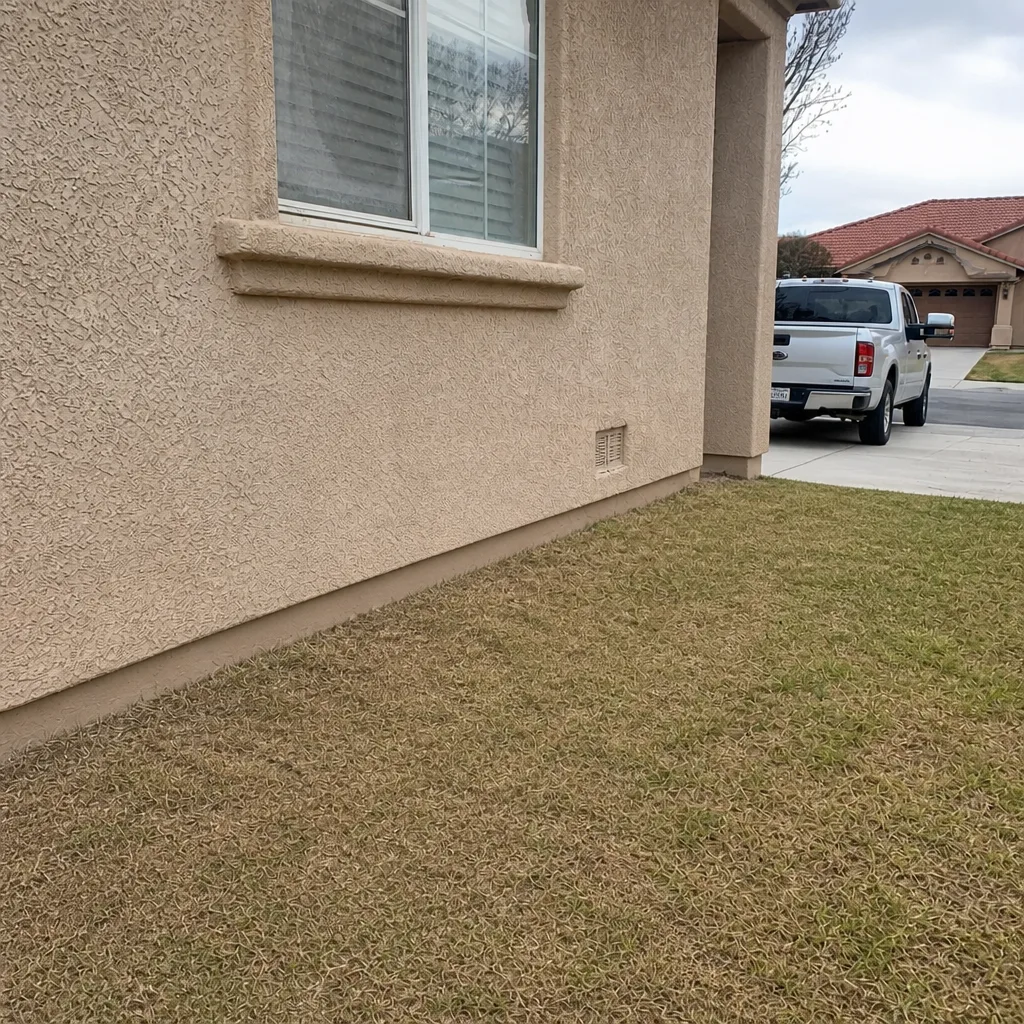 After
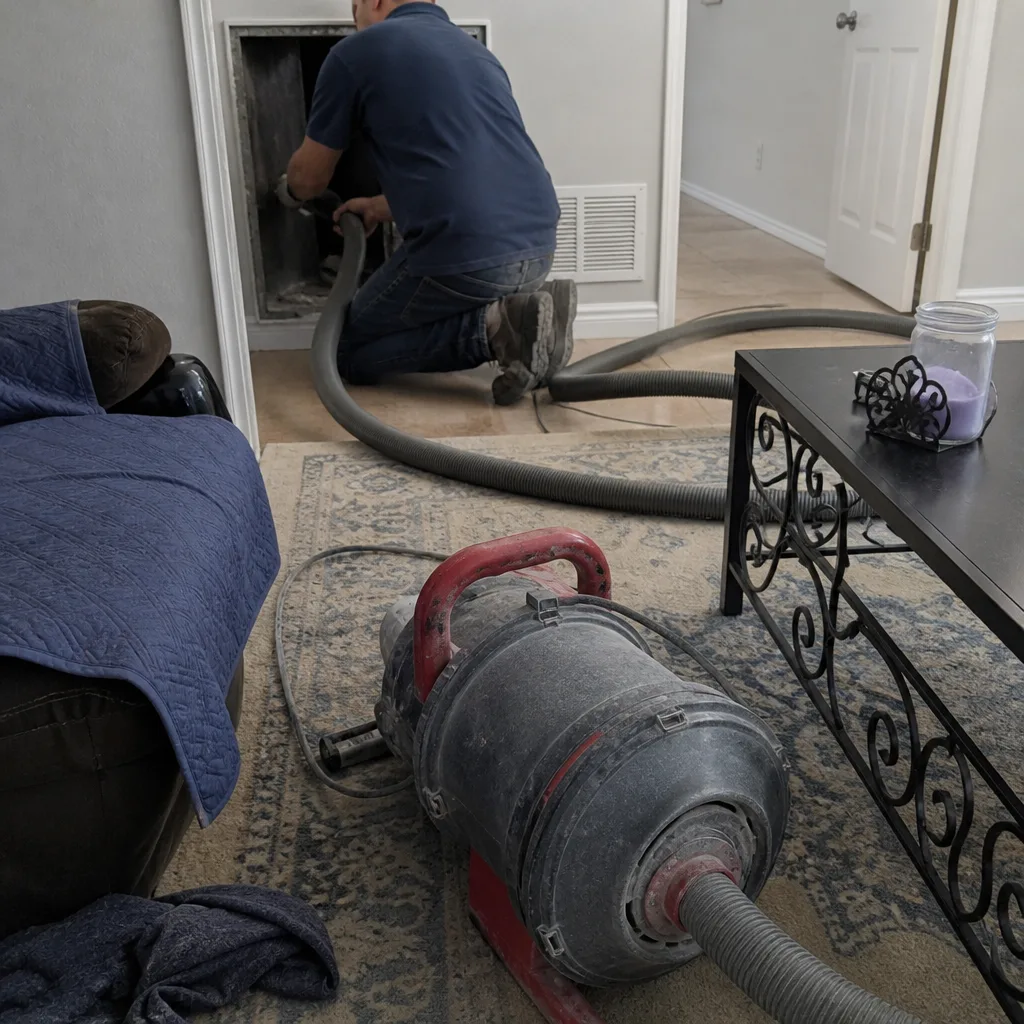 Before
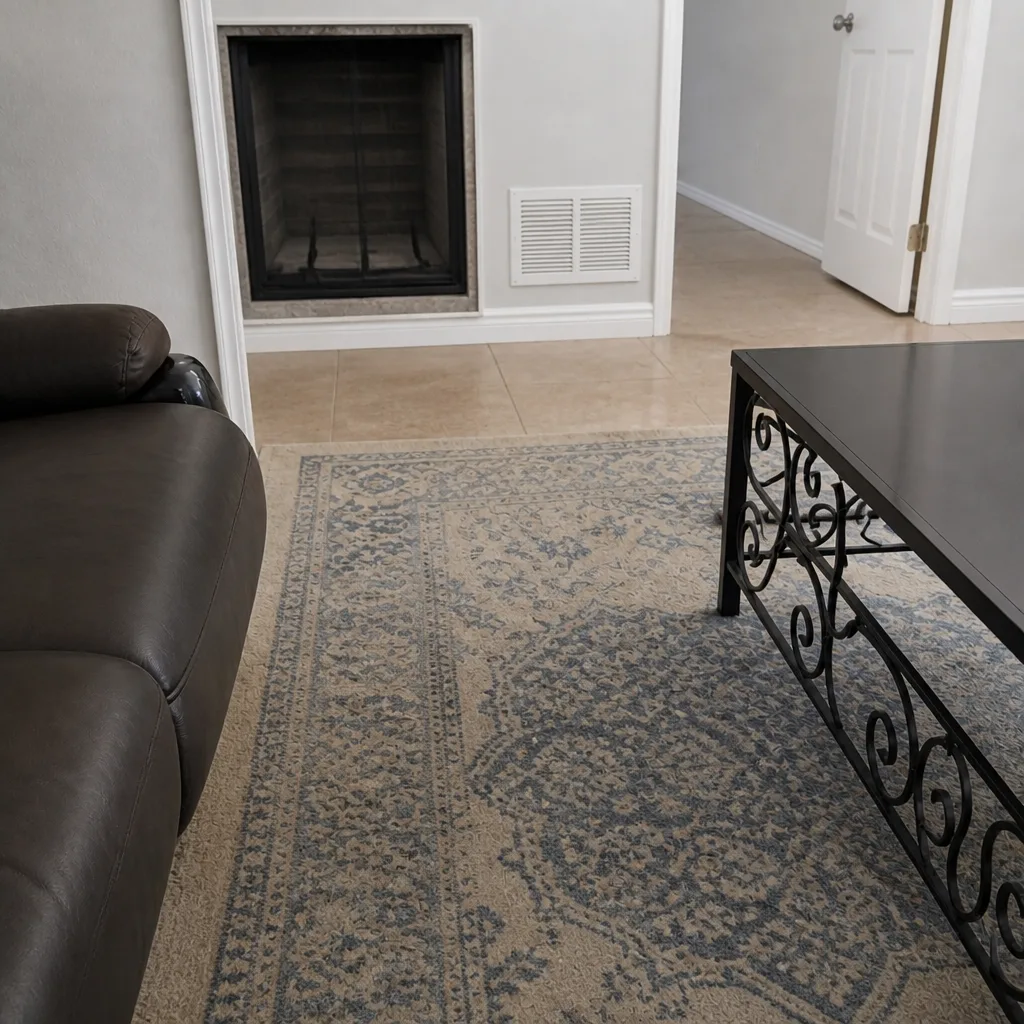 After