
Last updated November 4, 2026
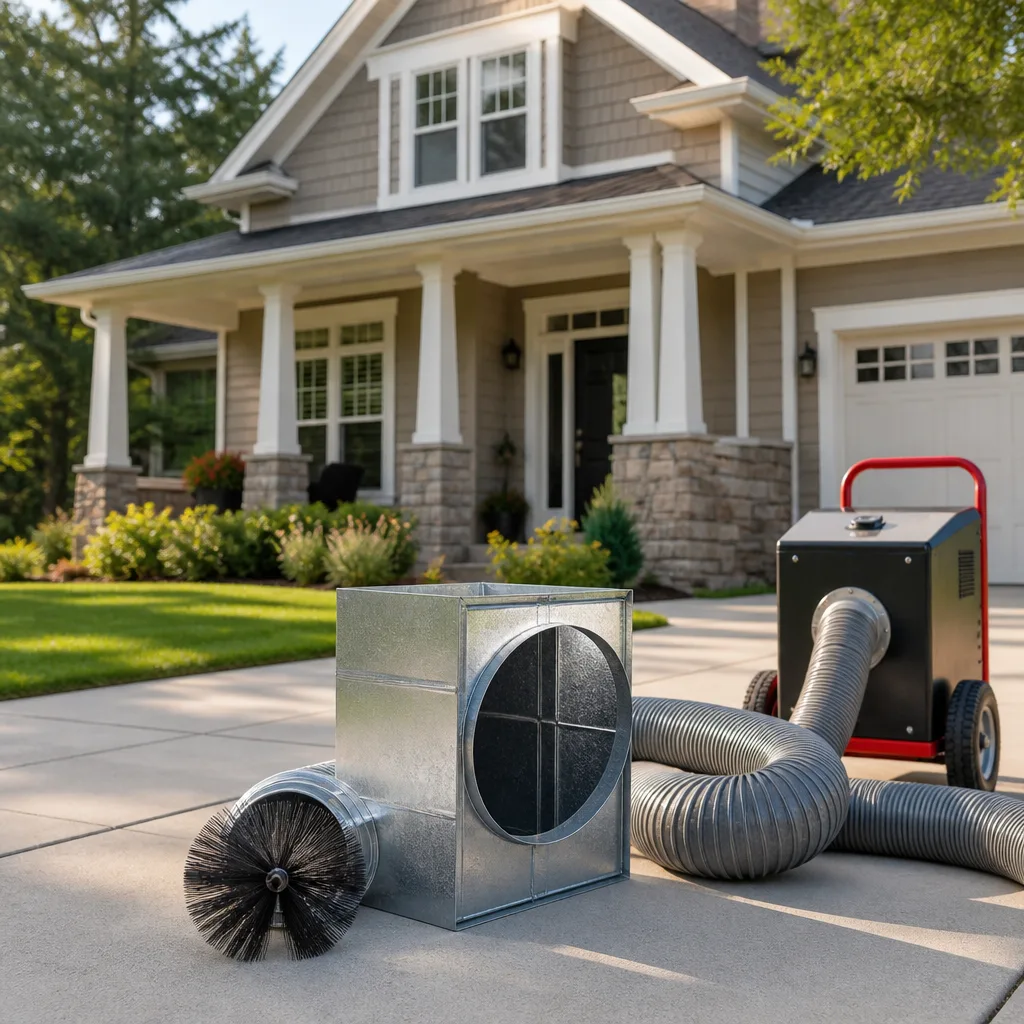 Whole-home duct cleaning
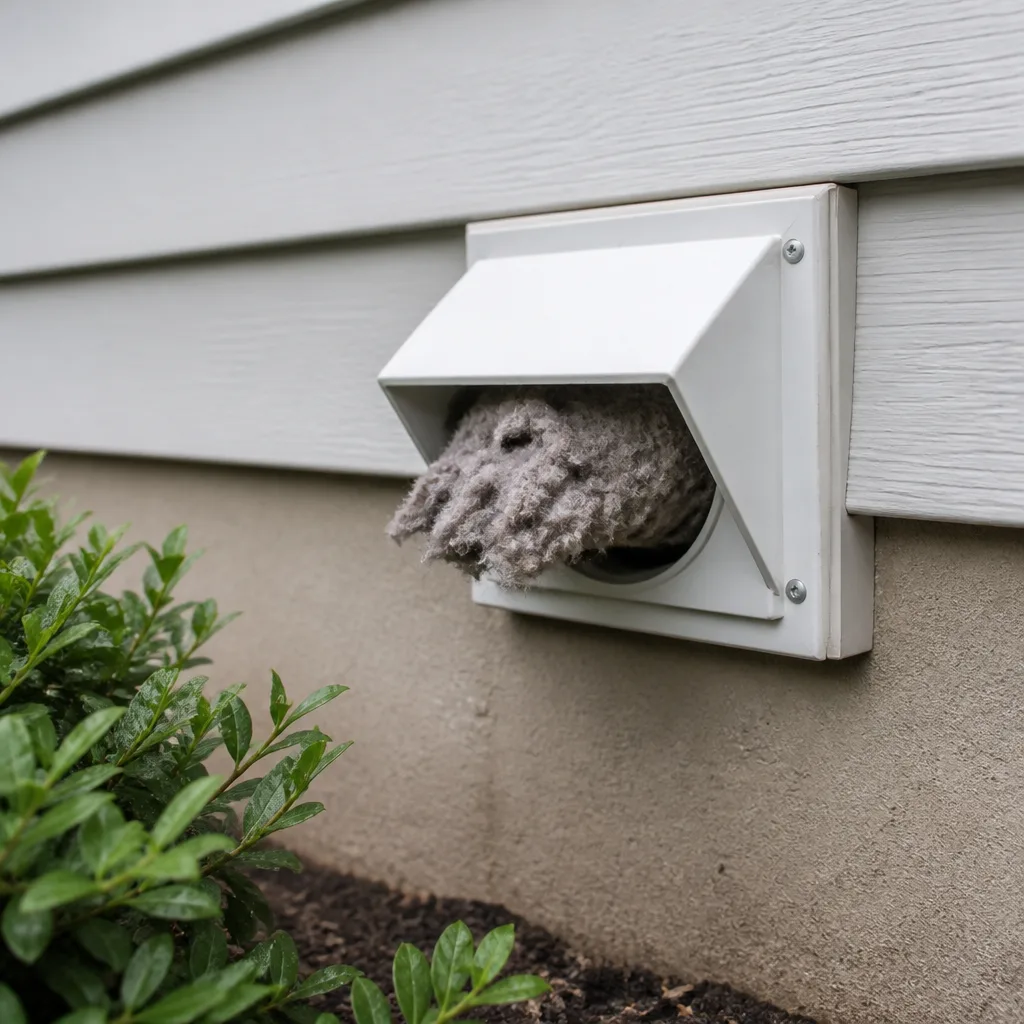 Dryer vent cleaning
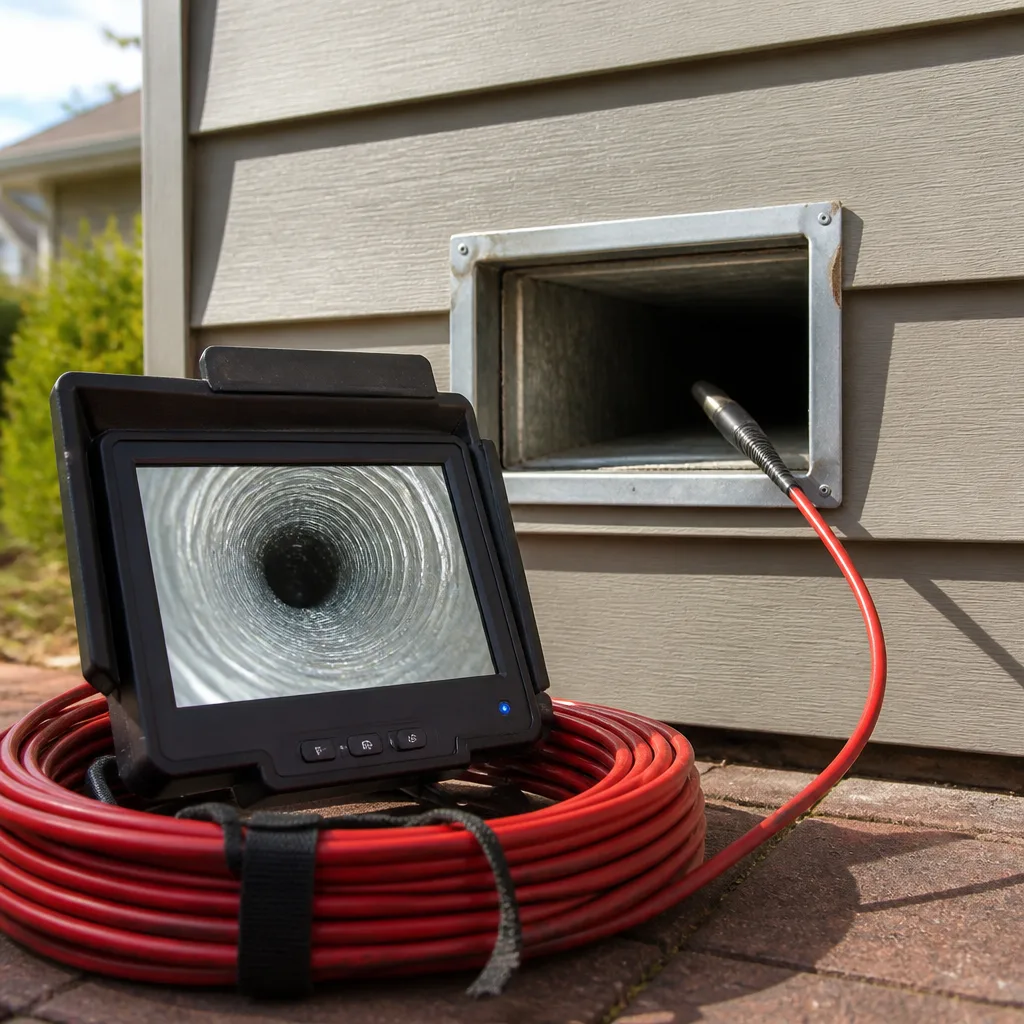 Camera inspection
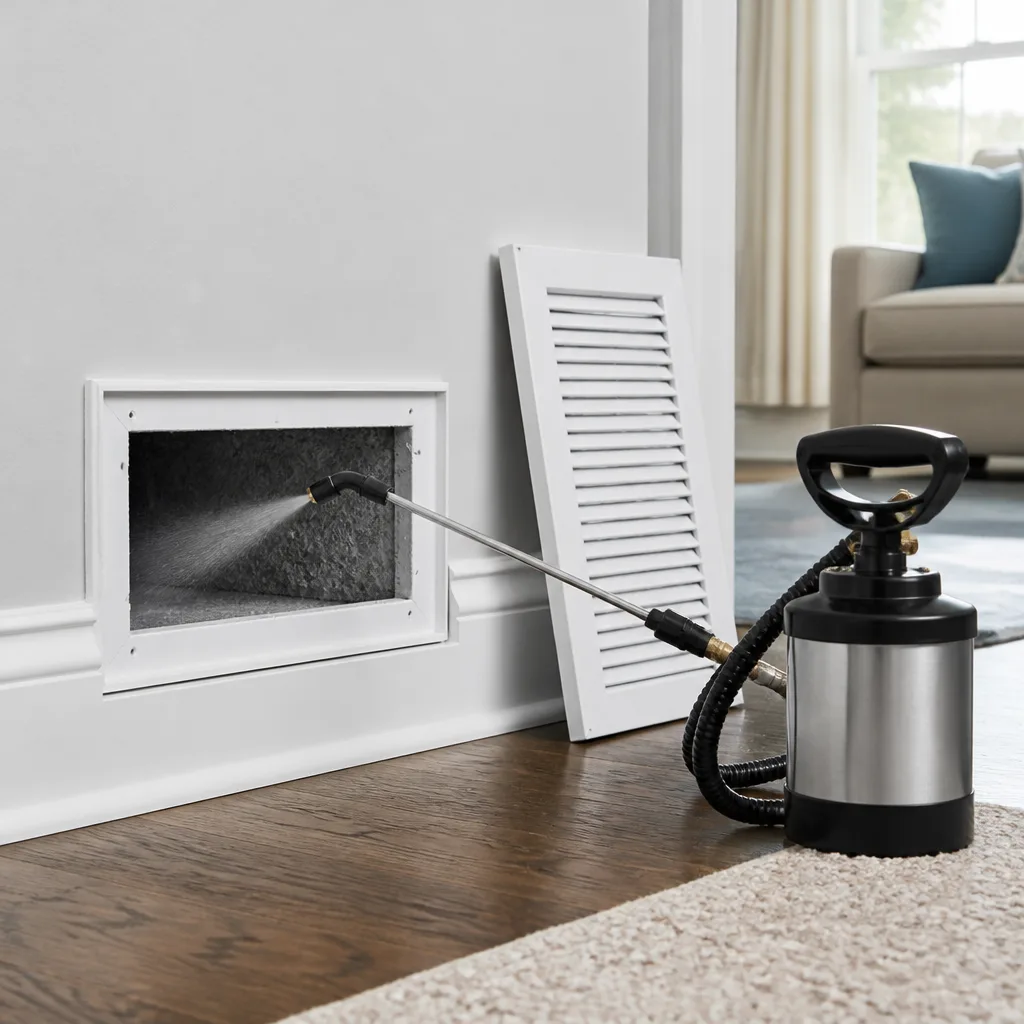 Sanitizing & deodorizing
Whole-system duct and dryer vent check with before-and-after photos - you see exactly what came out of your vents
That "$99 whole-house special" is a bait ad - the real number appears once they are in your hallway, or the "clean" is a shop-vac at the register. We photograph the inside of your ducts before and after instead.
The Complete Guide to Air Duct Cleaning in Moreno Valley
Most homeowners in Moreno Valley have never seen the inside of their own ductwork. That’s not an oversight, it’s just how houses work: the system stays hidden until a symptom appears. What surprises people is how quickly ducts in this city load up with material that has little to do with ordinary household dust. The Inland Empire’s overlapping realities, wildfire smoke corridors to the east, active construction zones pushing fine silica and gypsum into the air, and summer heat cycling the HVAC system for months, create a local contamination profile that generic cleaning methods don’t fully address. This guide maps what a thorough cleaning actually requires, step by step, from the access panel to the final airflow test, so you can tell the difference between a real cleaning and a surface pass. You’ll learn what local conditions put in your ducts, what equipment matters, and what questions to ask before anyone opens a register.
Quick Answer
Air duct cleaning in Moreno Valley typically costs between $350 and $650 for a full system on a standard home, and it involves negative air pressure setup, mechanical agitation of duct walls, and HEPA collection rather than simple vacuuming. In Moreno Valley specifically, the combination of wildfire smoke particulate and construction dust means a visual inspection and airflow measurement should bookend the work so you can verify debris was actually removed. A proper cleaning by a professional crew takes 3 to 6 hours and should include a camera inspection before and after.
Styles & brands we work with
- Whole-home duct cleaning
- Dryer vent cleaning
- Camera inspection
- Sanitizing & deodorizing
Table of Contents
- What Actually Gets Into Moreno Valley Ducts
- The Equipment Sequence That Actually Removes Debris
- What a Technician Should Inspect Before, During, and After
- How to Tell a Complete Cleaning From a Surface Pass
- Signs Your Ducts Need Attention
- What Drives the Cost of Duct Cleaning in Moreno Valley
- Dryer Vent Cleaning: The Safety Piece Most People Skip
- Local Red Flags: What Low Bids in Moreno Valley Usually Mean
What Actually Gets Into Moreno Valley Ducts
Before we talk about cleaning method, it helps to understand what we’re cleaning out. Moreno Valley’s position in the Inland Empire puts it downwind of wildfire activity that drifts through the passes, and the city itself is one of the most actively developed areas in Riverside County. Those two facts combine to create a duct contamination profile that’s denser and finer than what you’d find in a coastal city.
Here’s what we typically see in Moreno Valley duct systems:
- Wildfire smoke particulate. Smoke doesn’t just leave a smell. It carries microscopic carbon particles and ash that pass through standard return filters and settle on duct walls, blower fans, and coils. These particles are extremely fine, often under 10 microns, which means they stay suspended and recirculate until something mechanically removes them.
- Construction dust. Active development zones across Moreno Valley and neighboring Perris, Riverside, and Beaumont generate airborne silica from concrete cutting, drywall gypsum powder, and general earth disturbance. This dust sifts into homes through open windows and doors, and once it’s in the duct system, it forms a fine gray film on every surface.
- Desert soil and windblown fines. The Santa Ana wind pattern pushes dry particulate from the high desert into the valley. This is extremely fine mineral dust that behaves like the construction dust: it coats rather than piles, and it reseals itself to duct walls after a light vacuuming unless mechanically agitated.
- Pet dander and hair. Standard, but worth noting. Dander is a protein particle, not just hair, and it binds to dust and debris in the system. Homes with indoor pets in Moreno Valley often find the return-side ductwork carries a heavier load than the supply side.
- HVAC cycling byproducts. Moreno Valley summers push air conditioning systems into heavy daily cycling for months. The constant temperature swings cause materials to expand and contract, which degrades fiberglass duct liners and flex duct inner liners over time, releasing fibers into the airstream.
The point here is that Moreno Valley duct contamination isn’t just “dust.” It’s a mixed media problem: fine carbon, mineral fines, construction particulate, and biological material. A shop vac attached to a register can pull loose dust out of the first few feet of duct, but it does nothing for the film bonded to the duct walls, the fines packed into the return boots, or the debris behind the plenum. That’s why the equipment sequence matters more than the cleaning itself.
The Equipment Sequence That Actually Removes Debris
A legitimate duct cleaning follows a specific sequence. It isn’t just a vacuum and a brush. Skipping any of these stages leaves material behind, and in Moreno Valley’s particulate-dense environment, that remaining material recirculates within days.
Here’s the sequence we use on every job, and what each stage accomplishes:
- Negative air pressure setup. The system must be placed under negative pressure before agitation begins. A HEPA-filtered negative air unit, such as the Nikro or Abatement Technologies units we run, connects to the duct system at the plenum or a register cut. This creates directional airflow that pulls loosened debris toward a sealed collection point instead of letting it puff back into the living space. Without this step, a brush just pushes debris from one section of duct into another.
- Register and grille sealing. Every register except the access point gets sealed during the negative pressure phase. This focuses the pull through the duct being worked and prevents cross-contamination between zones. It also lets the technician verify that the duct run under the house or through the attic is holding pressure correctly, which itself is a leak test.
- Mechanical agitation with a rotating brush. Negative pressure alone will not remove the film that bonds to duct walls. A powered rotary brush, like the Rotobrush system we use, physically contacts the duct interior and breaks the adhesion. In Moreno Valley, where construction dust and fine particulate form a cement-like layer when mixed with humidity, this step is non-negotiable. Vacuum-only cleaning leaves the bonded film intact.
- HEPA vacuum collection. The loosened debris flows to the negative air unit, which captures it in a HEPA filter rather than exhausting it outdoors or into the attic. This is a critical environmental control point. Exhausting into the attic just relocates the problem to the insulation layer, where it will eventually re-enter the home.
- Final airflow verification. After the cleaning, airflow at each register is checked against the pre-cleaning baseline. A measurable increase in airflow, often 15 to 30 percent on a heavily loaded system, confirms the debris was actually removed from the pathways, not just partially loosened.
This sequence is what separates professional-grade work from what we’ve seen from low-bid operators in the Moreno Valley market. A consumer-grade vacuum attached to a single register cannot create negative pressure across the whole system, cannot agitate the full duct wall, and cannot capture the fine particulate that defines local contamination.
What a Technician Should Inspect Before, During, and After
A professional cleaning includes inspection as part of the service, not as an optional add-on. In Moreno Valley’s older housing stock, developed heavily in the 1980s and 1990s, duct systems carry decades of accumulated issues that basic cleaning can miss or worsen.
Before cleaning: The technician should inspect the duct material and condition. Flex duct, metal duct, and fiberglass duct board respond differently to cleaning methods. A camera inspection of the return side is especially important, since returns typically carry the heaviest load and can hide animal intrusion, collapsed flex duct, or disconnected joints. The blower compartment and evaporator coil should be checked for debris loading, since a clean duct system feeding a dirty coil defeats the purpose. Static pressure readings give a baseline airflow figure that later verifies improvement.
During cleaning: The technician should watch for duct separation. Agitation can shake loose poorly sealed joints, especially in older flex duct systems where the plastic collar has degraded or the duct tape has dried out. A good technician notes any section that isn’t holding negative pressure and flags it for repair. This is also the stage where register seals and boot connections get checked, since air leaks at the boot are common and invisible from inside the living space.
After cleaning: A final camera inspection of the main trunk and a sampling of branch runs confirms the duct walls are debris-free, not just the first few feet. Static pressure should be re-measured and compared to the pre-cleaning reading. If airflow didn’t change, either the system wasn’t as dirty as suspected or, more likely, the cleaning missed material. A final register sweep and filter check close out the job.
This three-stage inspection is what turns a cleaning from an activity into a measurable service. Without the before and after numbers, neither you nor the technician can honestly say the work did anything.
How to Tell a Complete Cleaning From a Surface Pass
This is the question that matters most in the Moreno Valley market, because the difference between bids usually hides a difference in process. A surface pass is what happens when a crew shows up with a standard shop-style vacuum, brushes the first reachable section of each register, and spends two hours on a job that should take five.
Here’s how to tell the difference:
- Camera before and camera after. A legitimate cleaning documents the duct interior before work starts and after it’s done. If a company doesn’t offer camera verification, ask why. Visual proof is the primary way to confirm debris was actually removed from the trunk and branches, not just the register openings.
- Airflow delta measurement. Professional technicians measure static pressure or register airflow before and after. A system that was contaminated enough to justify cleaning should show a measurable improvement. No measurement, no verifiable result.
- Time on site. A genuine cleaning of a typical Moreno Valley home takes 3 to 6 hours. That includes setup, sealing, agitation, collection, camera work, and final verification. A crew that’s in and out in 90 minutes has not cleaned your ducts. They’ve dusted the registers.
- Equipment visible and explained. A professional crew can name their equipment and explain what each piece does. Nikro or Abatement Technologies negative air units are large, purpose-built machines. A Rotobrush system is a recognizable rotary brush with a collection hose. If the only tool on the truck is a vacuum you’d recognize from a hardware store, the job won’t be a real cleaning.
- Register sealing during the job. If the crew never seals registers and never sets up negative air, debris will move around the system rather than out of it. This is the single most common shortcut we see in low-bid work.
The reason surface passes persist in this market is straightforward: they’re cheap to deliver, and most homeowners never check. Asking for a before-and-after camera view takes five minutes and immediately separates serious operators from pass-through crews.
Signs Your Ducts Need Attention
Duct cleaning isn’t a regular maintenance item like an oil change. You don’t need it on a schedule. You need it when the system shows signs that contamination has reached the point of affecting airflow or air quality. In Moreno Valley, with our wildfire smoke and construction dust load, the trigger points often arrive sooner than homeowners expect.
Here’s what should prompt a call:
- Visible dust at registers. Dark gray or black film accumulating around supply registers is material blowing out of the ducts, not ordinary house dust settling. This is a direct indication that the system is distributing contamination.
- New or worsened respiratory symptoms. If someone in the home has allergies, asthma, or general congestion that improves when they leave the house, the HVAC system may be recirculating irritants. Pet dander, pollen, and fine particulate from wildfire smoke bind to duct interiors and release in cycles.
- Reduced airflow from rooms. A room that’s consistently warmer in summer or cooler in winter may have a duct restriction. Debris, collapsed flex duct, or a disconnected joint are all possibilities, and air duct cleaning in Moreno Valley often uncovers these structural problems during inspection.
- Recent renovation or construction. If you’ve remodeled, retiled, retextured, or had new flooring installed, drywall and concrete dust have moved through the house and into the return ducts. Construction dust is abrasive and fine, and it bonds to duct walls in a way that routine filter changes won’t address.
- Moving into an older home. Moreno Valley’s housing stock includes many homes built in the 1980s and 1990s. If you’ve just moved in and the previous occupants left no service records, assume the ducts haven’t been touched since construction. That’s decades of accumulated material.
The common thread here is that these signs indicate air quality degradation, not just aesthetics. In a city where the outdoor air already carries more fine particulate than most of California’s coastal communities, the indoor system should be reducing that load, not adding to it.
What Drives the Cost of Duct Cleaning in Moreno Valley
Duct cleaning is priced per job, not per vent. Any company quoting a per-vent price is structuring the bid to escalate once the technician is in the home, and that’s a pattern we recommend avoiding. The final price should be agreed before work starts, based on a written estimate that accounts for what the technician actually finds.
Typical whole-system cleaning in Moreno Valley runs in these ranges, based on what we see in the local market:
- Standard single-system home, up to 12 registers: $350 to $500
- Larger home, 13 to 20 registers, or heavily loaded system: $450 to $650
- Two-system home or commercial space: $600 to $900
- Add-on dryer vent cleaning: often discounted when bundled with air duct cleaning, typically $75 to $150 as a standalone service
What moves the price within these ranges:
- System size. More duct runs and registers mean more time, more sealing, and more agitation.
- Access difficulty. Attic systems with limited crawl space or systems in tight mechanical closets take longer to access and seal.
- Contamination level. A system that hasn’t been cleaned since construction and carries heavy construction dust or renovation debris requires additional passes and more time under negative pressure.
- Material type. Fiberglass duct board requires gentler agitation and more care than sheet metal, which extends the job.
- Repairs identified during inspection. If the camera inspection finds disconnected joints, collapsed flex duct, or damaged boots, repair work adds scope and cost. This should be quoted separately and approved before any repair happens.
The written estimate sets the final price. That’s the protection against the bait-and-switch pattern that’s common enough in the Inland Empire: a low quote followed by surprise charges once the van is parked. We quote a flat price per system after inspection, and we don’t escalate it mid-job unless there’s a structural repair the customer approves separately.
Dryer Vent Cleaning: The Safety Piece Most People Skip
Dryer vent cleaning gets less attention than air duct cleaning, but it’s arguably the more safety-critical service. The National Fire Protection Association has identified dryer vents as a leading cause of residential fires, and the mechanism is simple: lint accumulates in the vent line, restricts airflow, and eventually reaches ignition temperature against the heating element or the exhaust duct walls.
In Moreno Valley, the risk profile is shaped by two local factors. First, the same fine particulate that loads up air ducts, wildfire smoke and construction dust, also passes through dryer lint screens and adheres to the moist lint already in the vent. This creates a denser, more flammable accumulation than you’d find in a coastal home. Second, homes built during Moreno Valley’s major development periods often have long dryer vent runs, sometimes 20 to 35 feet, with multiple elbows. Every bend is a lint trap.
Here’s what dryer vent cleaning should involve:
- Full-run cleaning, not just the first few feet. A brush from the exterior vent cap that only reaches three feet in does nothing for the lint packed at the elbows and the interior end. The entire vent run needs mechanical agitation.
- Visual verification. After cleaning, the technician should show you the lint removed and confirm airflow at the exterior vent cap is strong. A weak exhaust flow after cleaning means there’s still a blockage or the vent line is damaged.
- Cap inspection. The exterior cap should open fully and seal correctly. A broken flap lets birds, rodents, and outside debris into the vent.
We offer dryer vent cleaning as a standalone service through our dryer vent cleaning page, and it can be bundled with a full HVAC duct cleaning for homes that need both.
Local Red Flags: What Low Bids in Moreno Valley Usually Mean
The Moreno Valley market has a wide spread between legitimate professional pricing and the low-end bids you’ll see on marketplace apps and flyers. The low bids don’t usually mean an efficient operation. They mean a different model: subcontracted crews, consumer-grade equipment, and a process that skips the steps that make cleaning effective.
Here are the specific red flags we see in this local market:
- Per-vent pricing. Any company quoting a price per vent is setting up a structure where the total escalates once they count registers. A flat price per system, based on inspection, is the honest way to quote.
- No mention of negative air or HEPA collection. If the company can’t explain how they’ll keep debris from re-entering the living space during cleaning, they haven’t thought through the process. A vacuum at the register pulls debris toward the register, but it also lets fine particulate puff back into the room.
- No camera inspection. A company without a camera is a company that can’t prove the job worked. Camera equipment isn’t exotic anymore, and its absence is a signal that the operation is built on volume rather than verification.
- Subcontracted crews. Some marketing companies in the Inland Empire sell duct cleaning leads to independent operators who use whatever equipment they own. You won’t know who’s arriving, what tools they have, or what process they follow. Ask directly: “Who will be at my house, and what equipment do they run?”
- Quotes that expire immediately or pressure tactics. A genuine estimate doesn’t need a same-day decision to be valid. Duct cleaning is not an emergency service, and any operator pushing urgency is selling you on a decision you should be free to think through.
The through-line is that duct cleaning is a process-dependent service. The value isn’t in the time spent; it’s in the equipment used, the sequence followed, and the verification provided. In a market with Moreno Valley’s specific contamination profile, skipping process steps doesn’t leave a little dust behind. It leaves the exact material you paid to have removed.
Common Mistakes to Avoid
- Choosing based on price alone. In Moreno Valley’s market, the price spread reflects process differences. A low bid that uses consumer vacuums and skips negative air setup leaves the bonded film and fine particulate intact, which is the material that actually affects air quality.
- Skipping the camera verification. You wouldn’t pay for auto body work without seeing the finished panel. Duct cleaning should come with the same standard of proof. Before and after camera shots are the only way to confirm debris removal from the trunk and branches.
- Confusing sanitizing with cleaning. Fogging a sanitizing agent into ducts is not a substitute for mechanical debris removal. Sanitizing addresses biological material; it doesn’t remove the particulate mass that restricts airflow and recirculates irritants.
- Forgetting the dryer vent. The dryer vent is a separate pathway with a separate risk profile. Cleaning the HVAC ducts and ignoring the dryer vent means the highest-fire-risk exhaust in the house stays loaded.
- Expecting a filter change to solve duct contamination. The filter on your HVAC system protects the equipment, not the ducts. Once debris is inside the duct system, the filter is downstream of the problem on the supply side and upstream on the return side. Filter changes are good practice, but they don’t clean the system.
- Waiting for visible signs. By the time dust is blowing out of registers or rooms are consistently warm, the system has been distributing contamination for weeks or months. Checking airflow at registers and having a visual inspection done periodically, especially after Santa Ana wind events or nearby construction, catches loading before it becomes a comfort problem.
See the difference
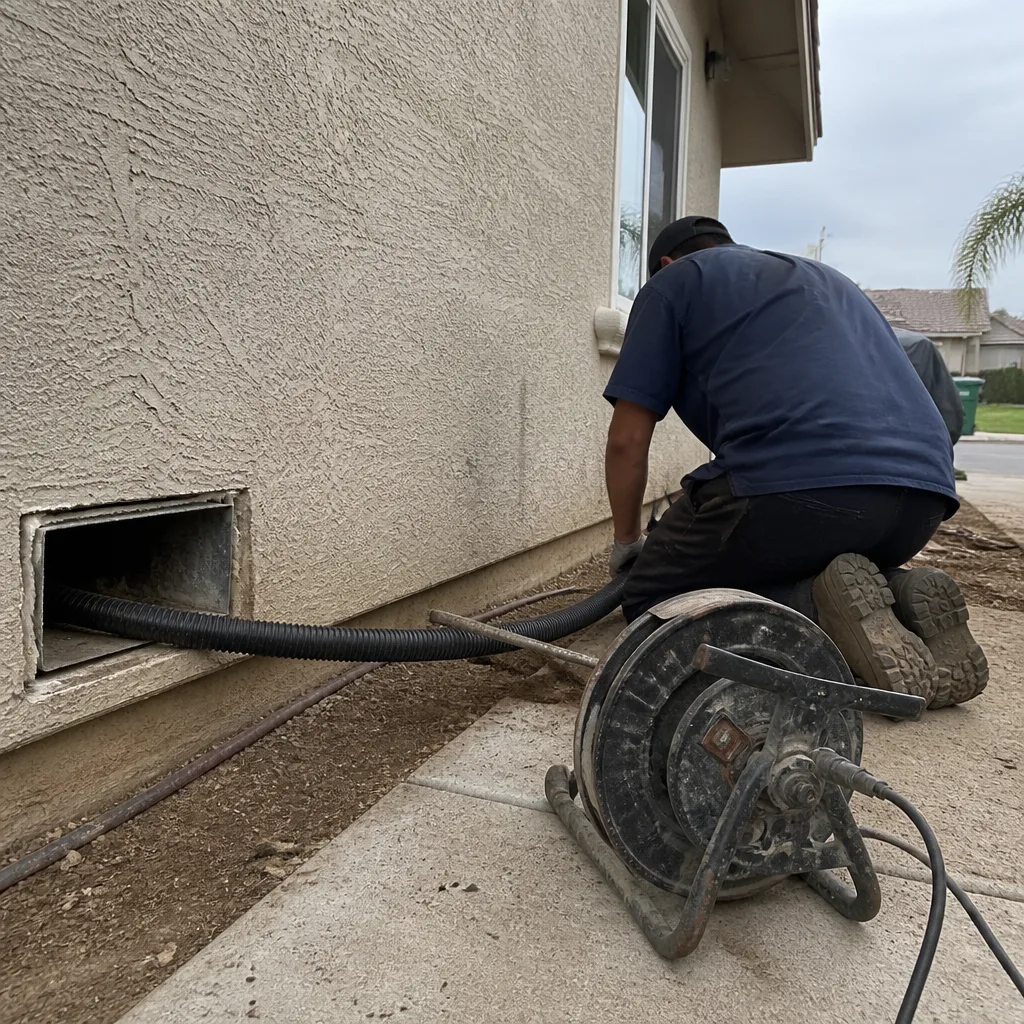 Before
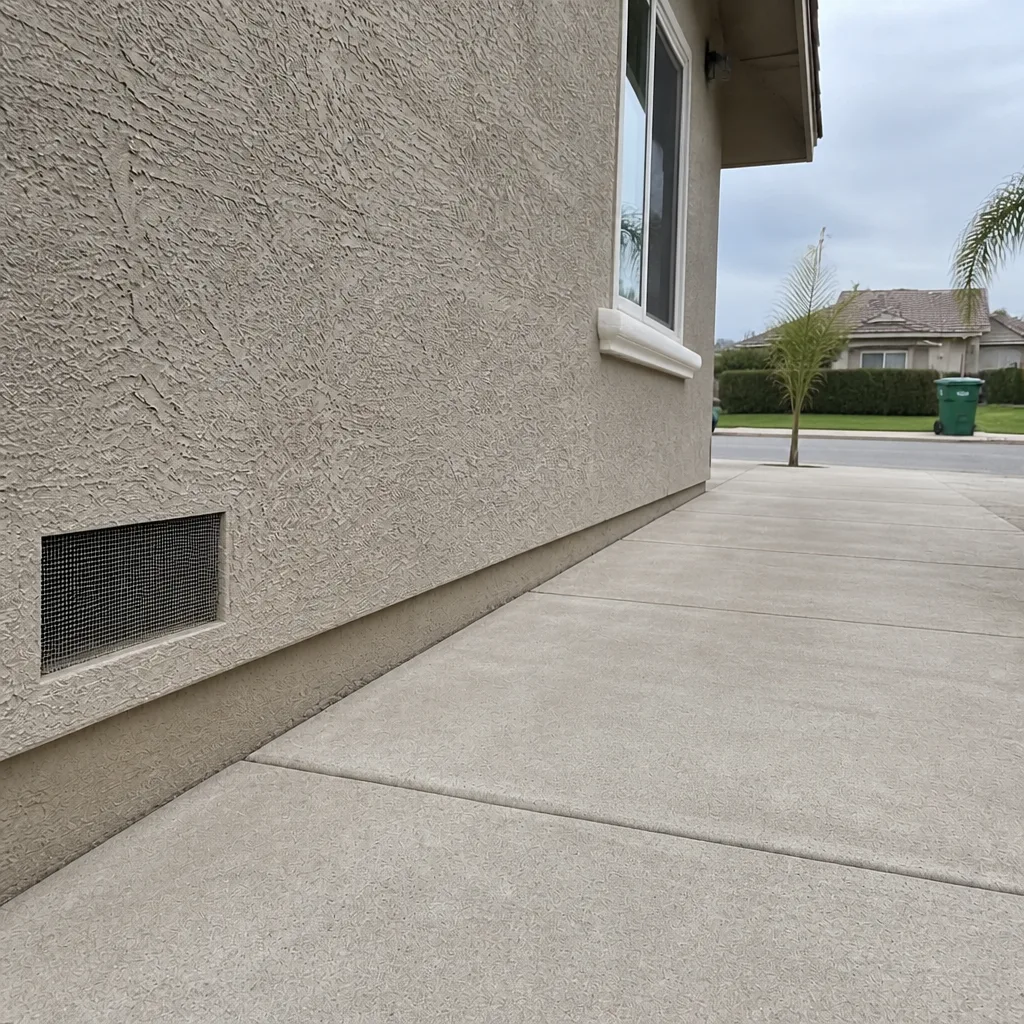 After
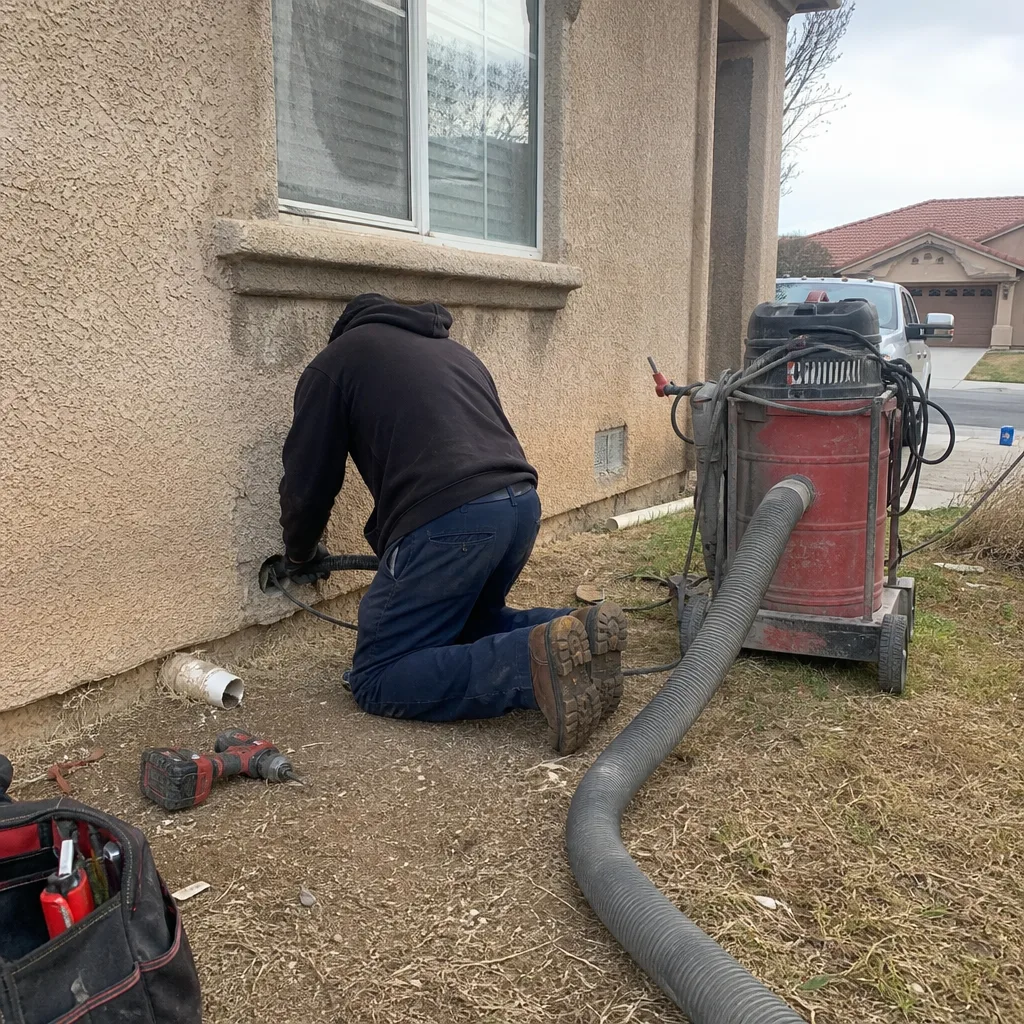 Before
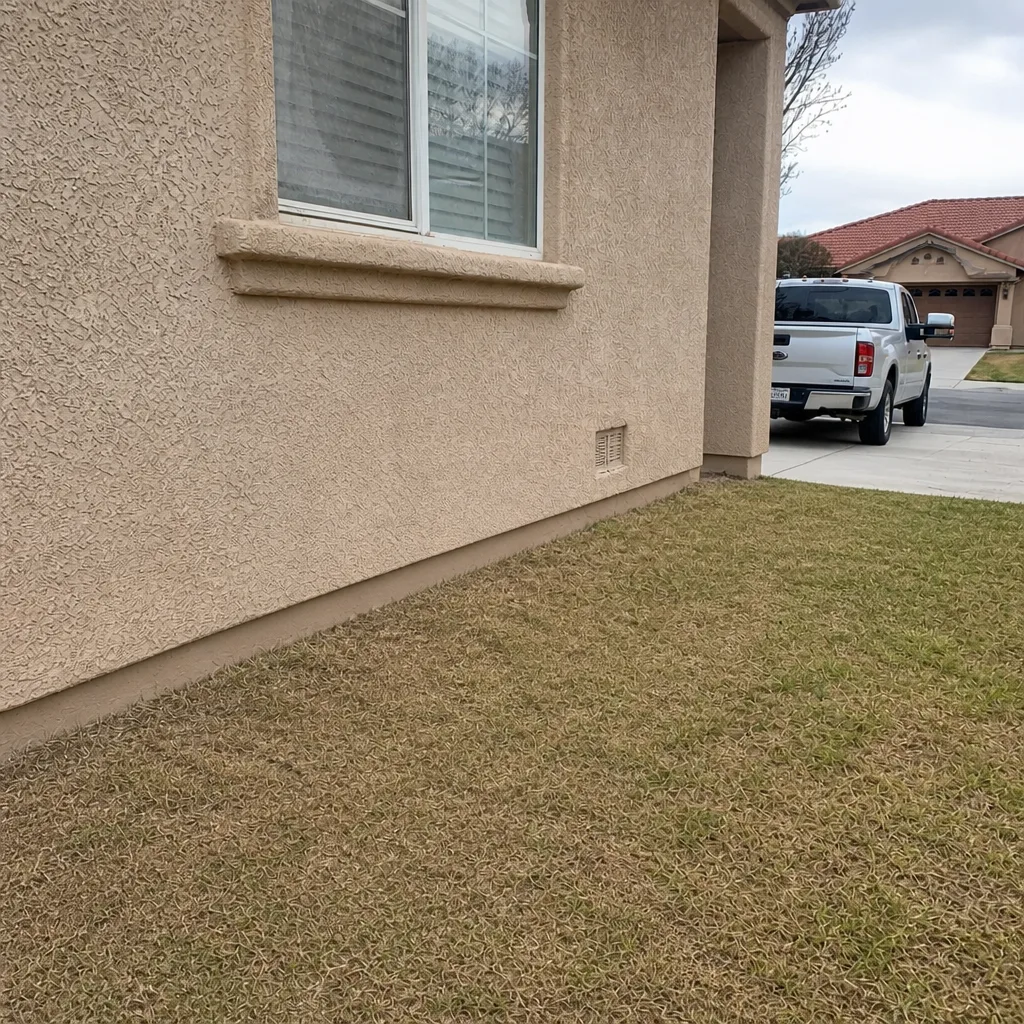 After
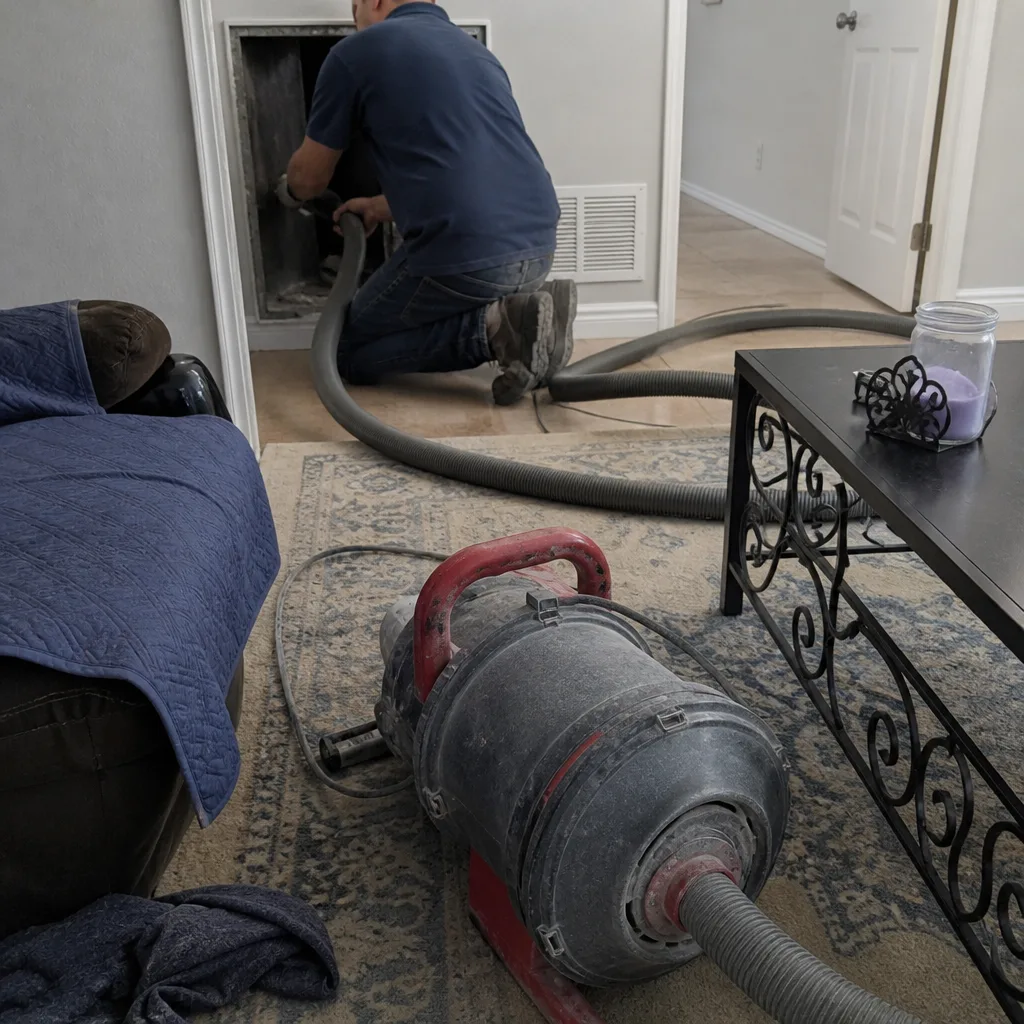 Before
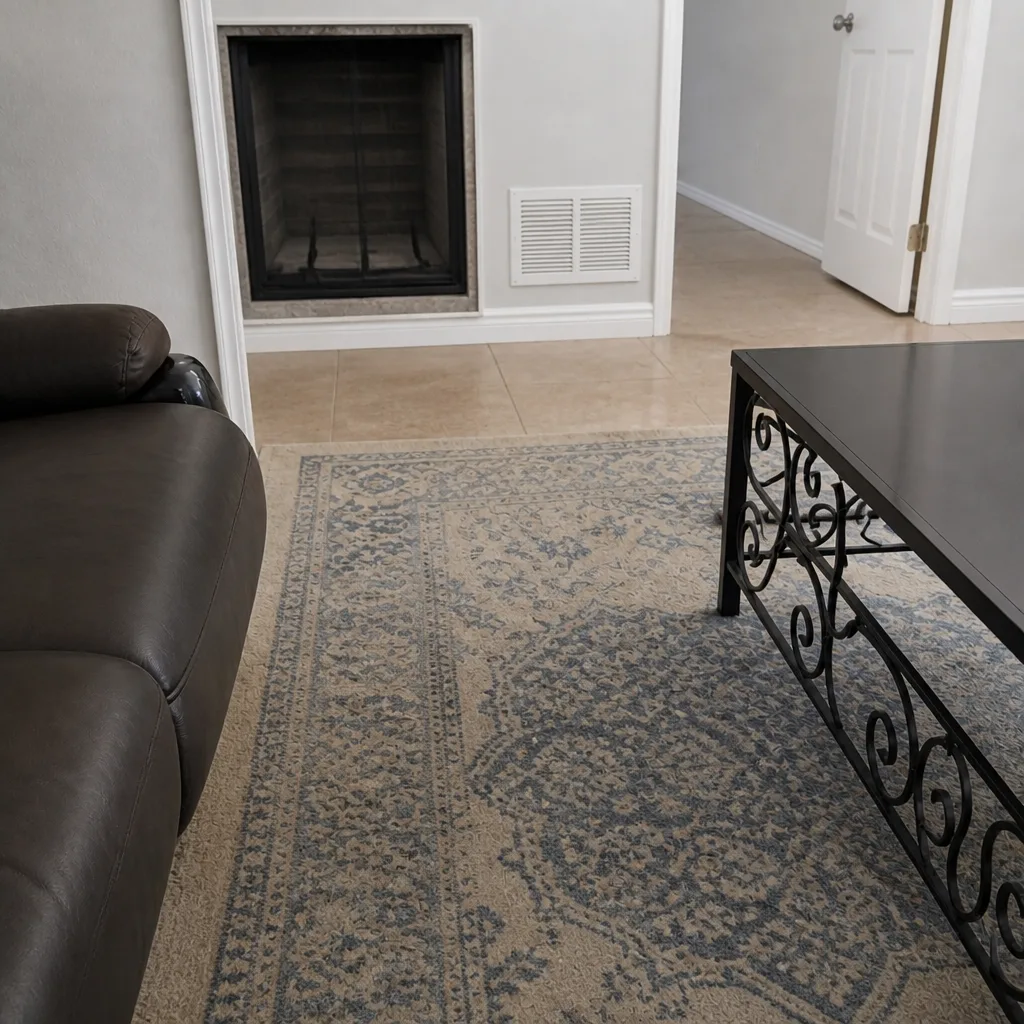 After
When to Call a Professional
Duct cleaning is not a do-it-yourself job, and it’s not a task for a technician without the right equipment. If you’ve moved into an older Moreno Valley home and have no service records, that’s a call. If you’ve lived through recent wildfire seasons and noticed the house smells like smoke even after the air clears, that’s a call. If you’ve renovated and the dust hasn’t settled after weeks, that’s a call. And if your dryer takes two or three cycles to dry a standard load, the vent is restricted and that’s a safety issue, not a convenience issue.
Duct Cleaning Moreno Valley serves homes across Moreno Valley with professional-grade equipment, verified results, and a process built for the Inland Empire’s specific contamination profile. Call (877) 387-1334 for a free estimate. We answer 24/7. Fast dispatch from 7am to 7pm, Sunday through Friday.
Frequently Asked Questions
A full-system air duct cleaning in Moreno Valley typically costs $350 to $650 depending on home size, number of registers, and contamination level. The written estimate sets the final price before work starts, so you know the number before anyone opens a register. Call (877) 387-1334 for a free estimate on your specific system.
Ducts need cleaning when contamination affects airflow or air quality, not on a fixed schedule. In Moreno Valley, wildfire smoke seasons and ongoing construction activity can accelerate loading, so some homes need attention every 3 to 5 years while others go a decade without significant buildup. The honest answer comes from a camera inspection that shows what’s actually inside your ducts.
Lower quotes in the Moreno Valley market usually reflect a different process: consumer-grade vacuums instead of negative air equipment, no mechanical agitation of duct walls, and no camera verification. Those jobs often take 90 minutes instead of 3 to 6 hours and leave the bonded film and fine particulate in place because the equipment can’t reach it.
Ask for before and after camera footage of the duct interior, including the main trunk and sample branch runs. Also ask for airflow measurements at the registers before and after. A loaded system should show a measurable improvement, typically 15 to 30 percent, and the camera should show debris-free duct walls where gray film and particle accumulation were visible before cleaning.
Duct cleaning removes accumulated particulate, dander, and fine wildfire ash from the system so the HVAC isn’t recirculating irritants through the home. It can reduce the indoor allergen load, especially for pet owners and people sensitive to fine particulate. For ongoing air quality improvement after cleaning, IAQ products from Honeywell and Aprilaire, such as upgraded filtration and whole-home media filters, are options that address airborne particulates at the system level.
Dryer vent cleaning is a separate service and often gets bundled with a full duct cleaning. The dryer vent is its own exhaust pathway with its own safety profile, and the National Fire Protection Association points to it as a leading cause of residential fires, which is why it deserves dedicated attention whether or not you’re cleaning the HVAC ducts. Call (877) 387-1334 and we’ll quote both honestly.
The Bottom Line
Air duct cleaning in Moreno Valley is a process-dependent service. The local contamination profile, wildfire smoke particulate, construction dust, and Santa Ana wind fines, is denser and finer than what generic cleaning methods address. A legitimate cleaning uses negative air pressure, mechanical agitation, and HEPA collection in sequence, then proves the result with camera and airflow measurements. Anything less is a surface pass that leaves the material you paid to remove. If your home shows signs of duct loading or you’ve never had the system inspected, the next step is a camera look at what’s actually inside. Call (877) 387-1334 and we’ll walk you through what we find and what it takes to fix it.
Written by the team at Duct Cleaning Moreno Valley, serving Moreno Valley since 2016.