
Last updated November 4, 2026
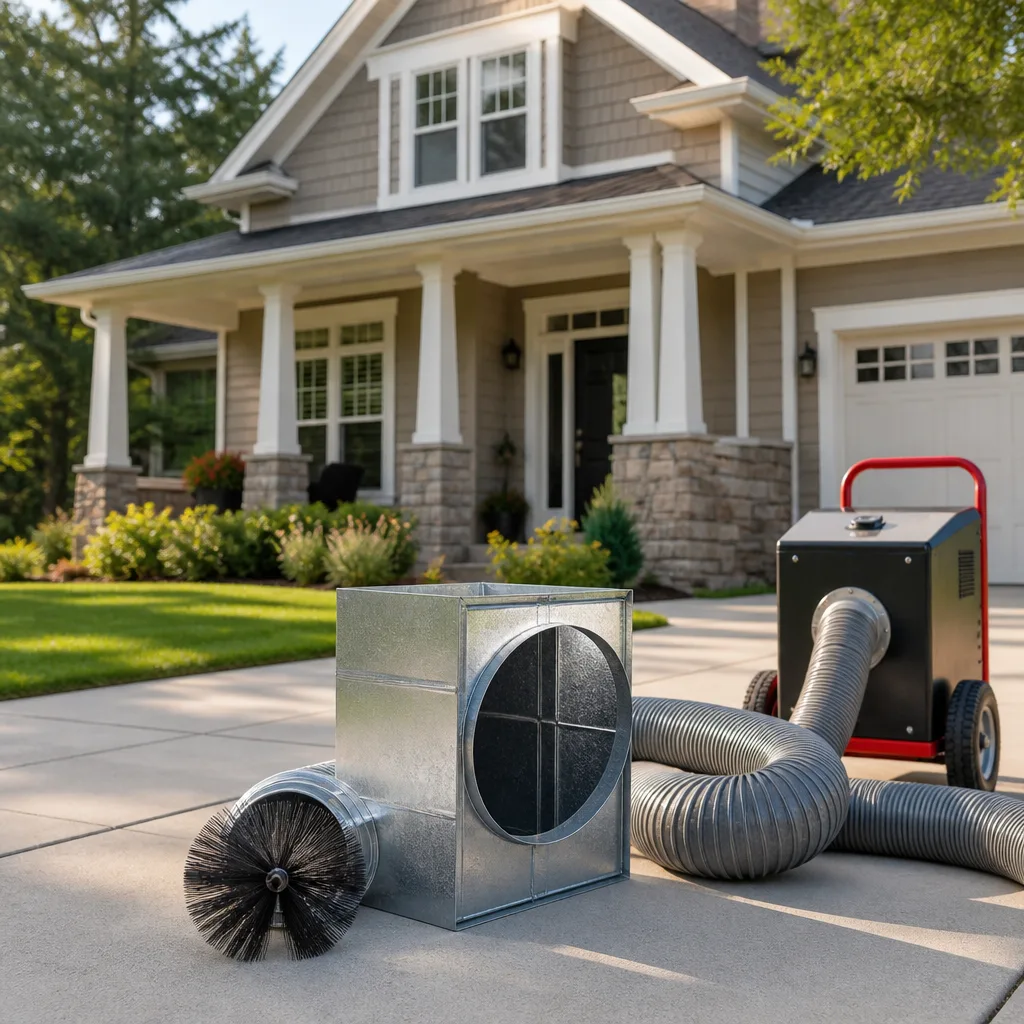 Whole-home duct cleaning
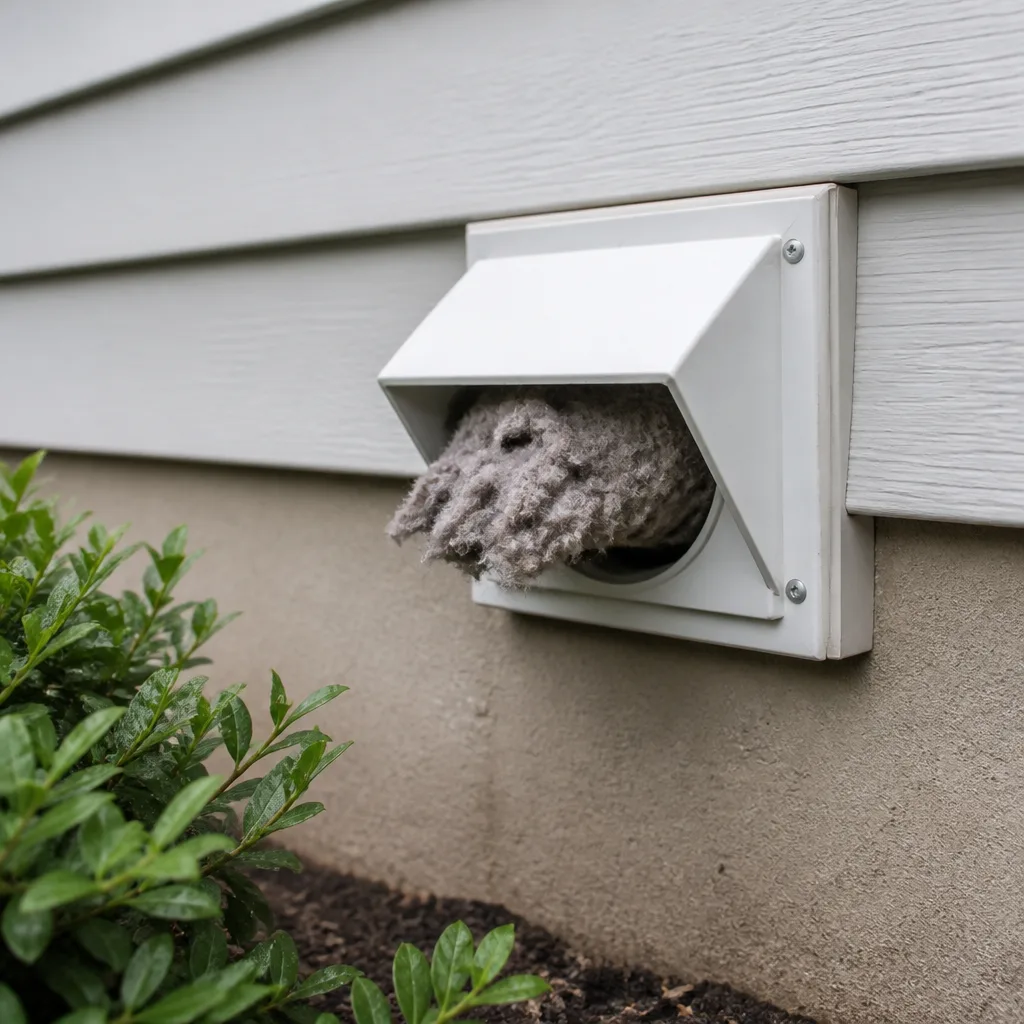 Dryer vent cleaning
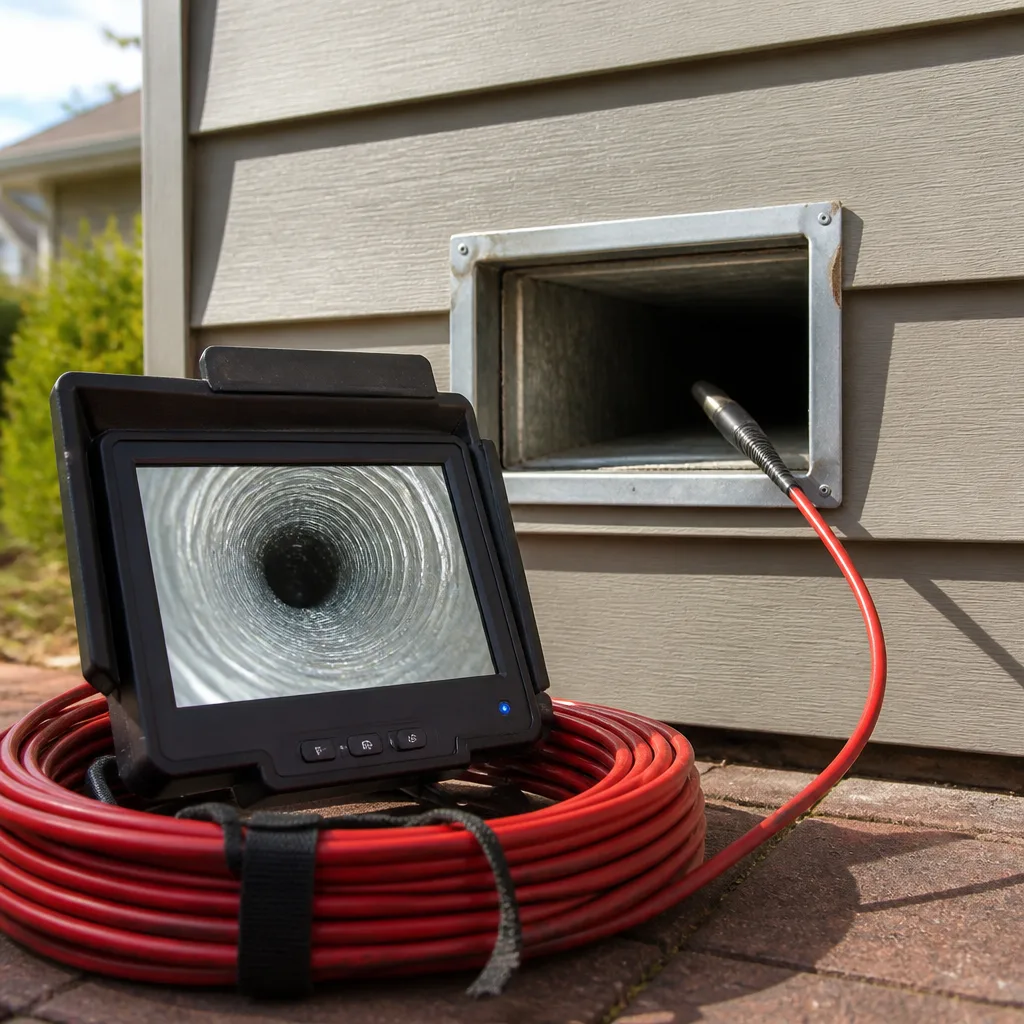 Camera inspection
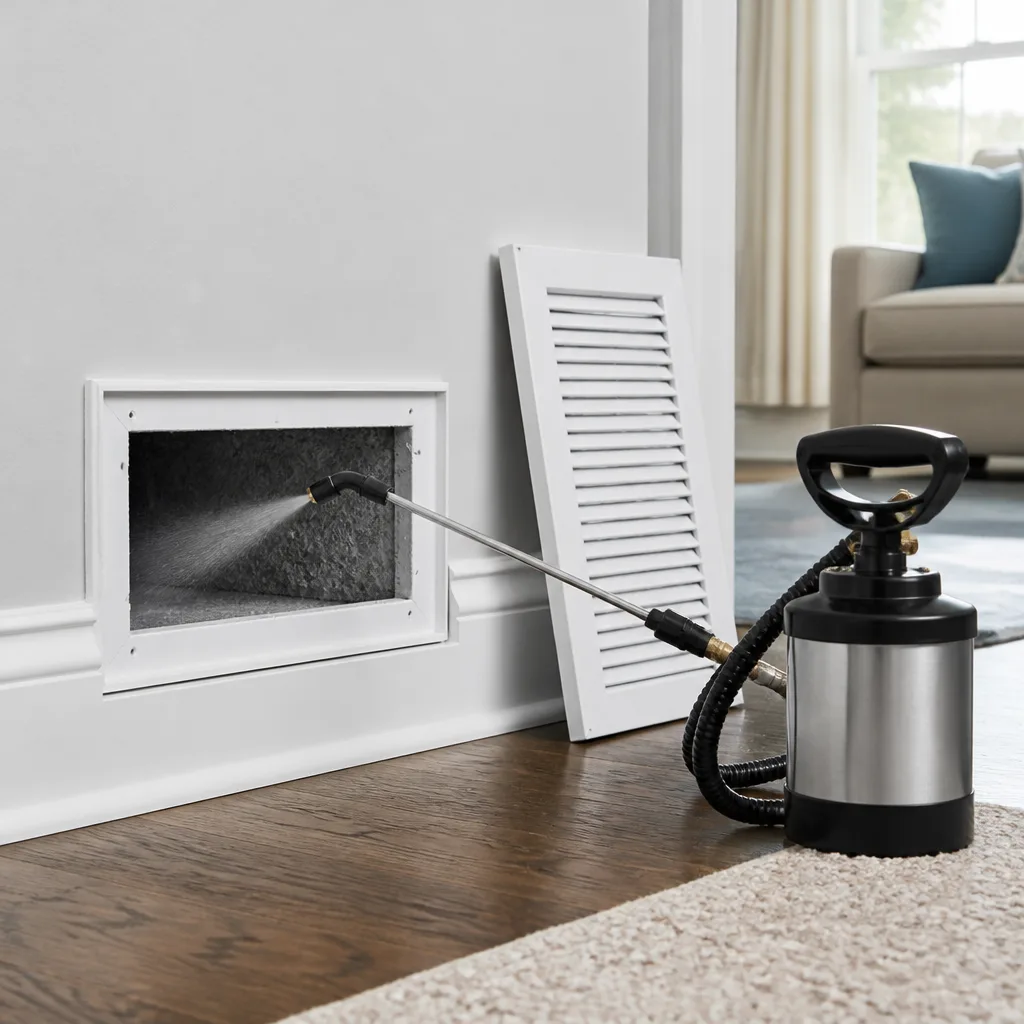 Sanitizing & deodorizing
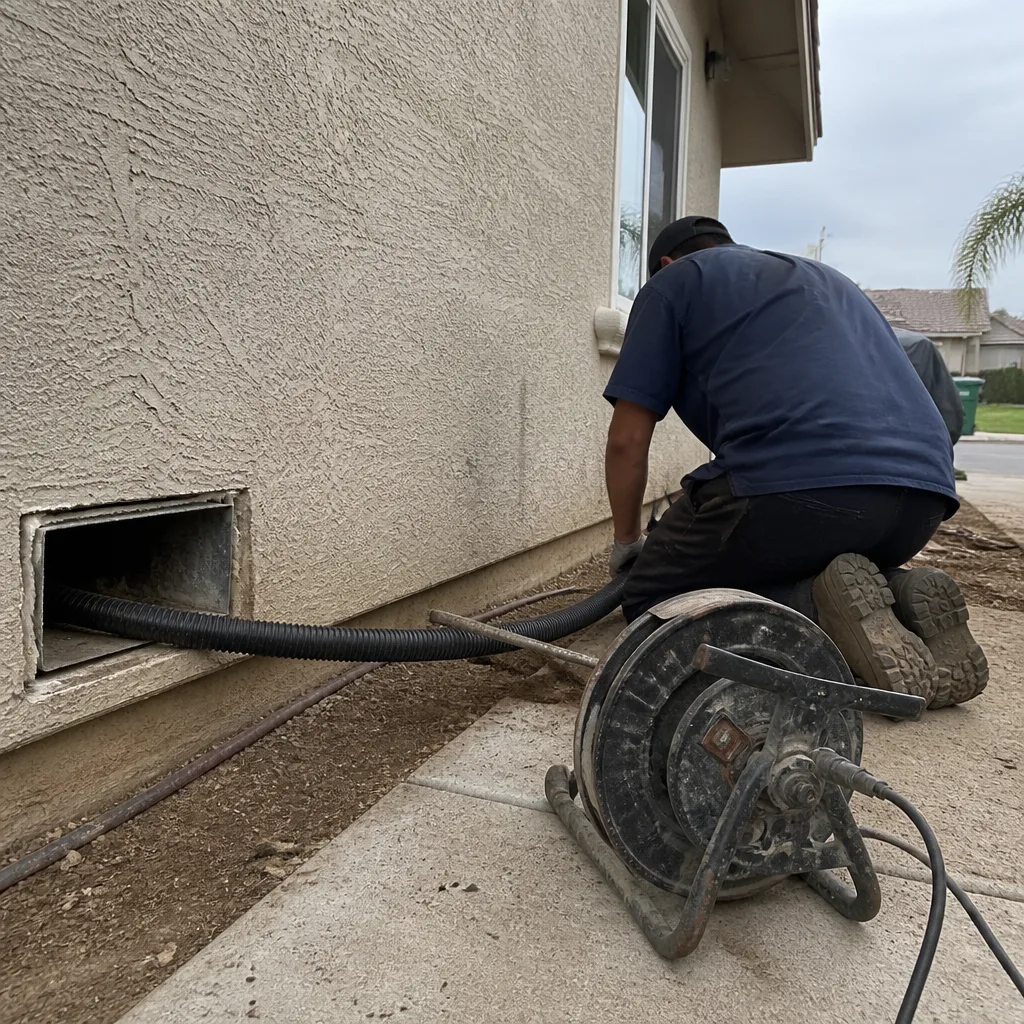
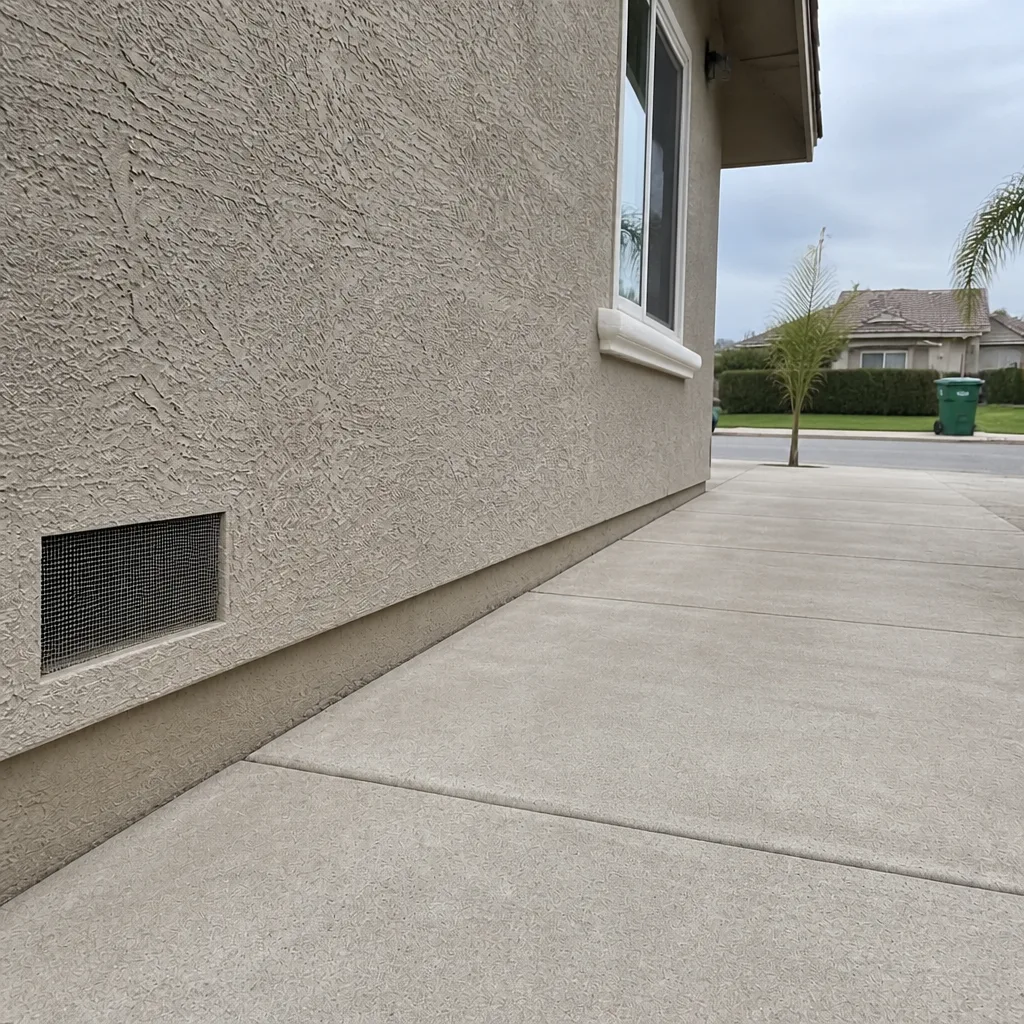
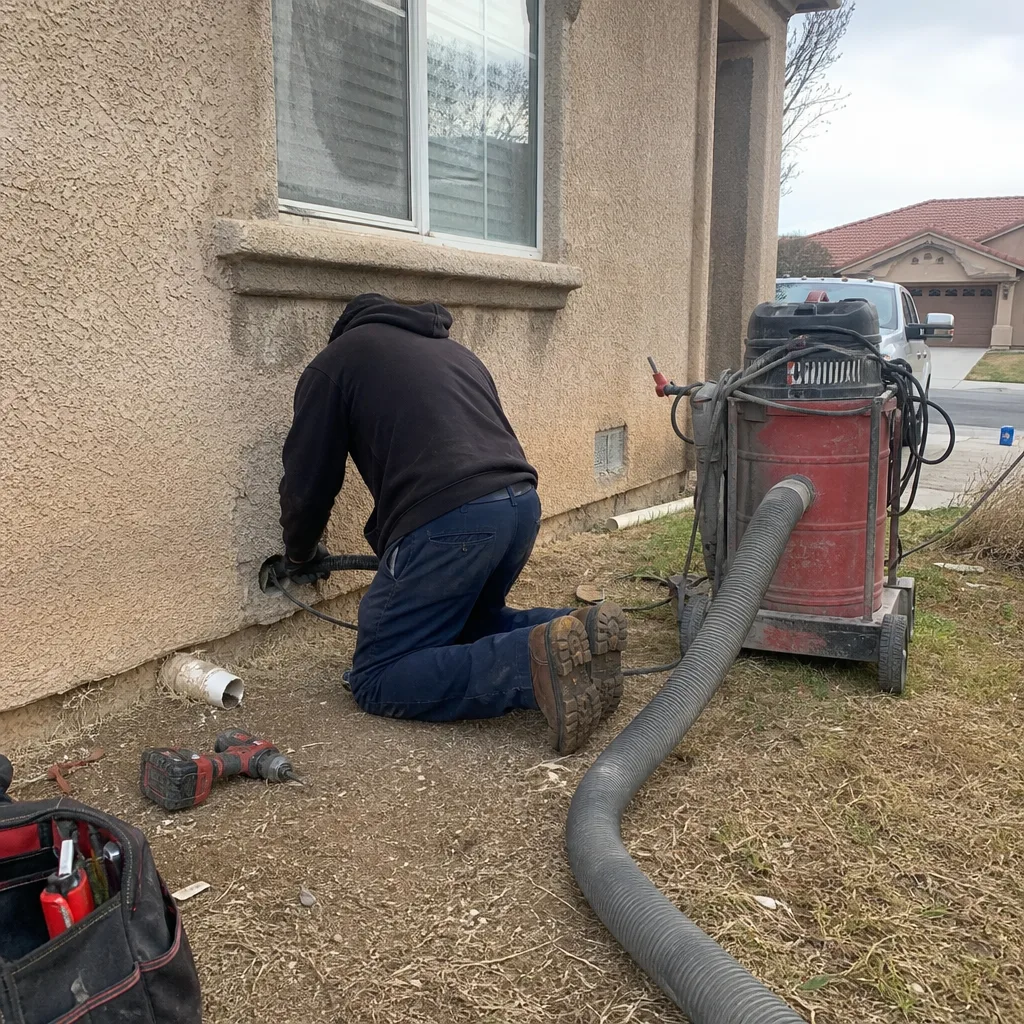
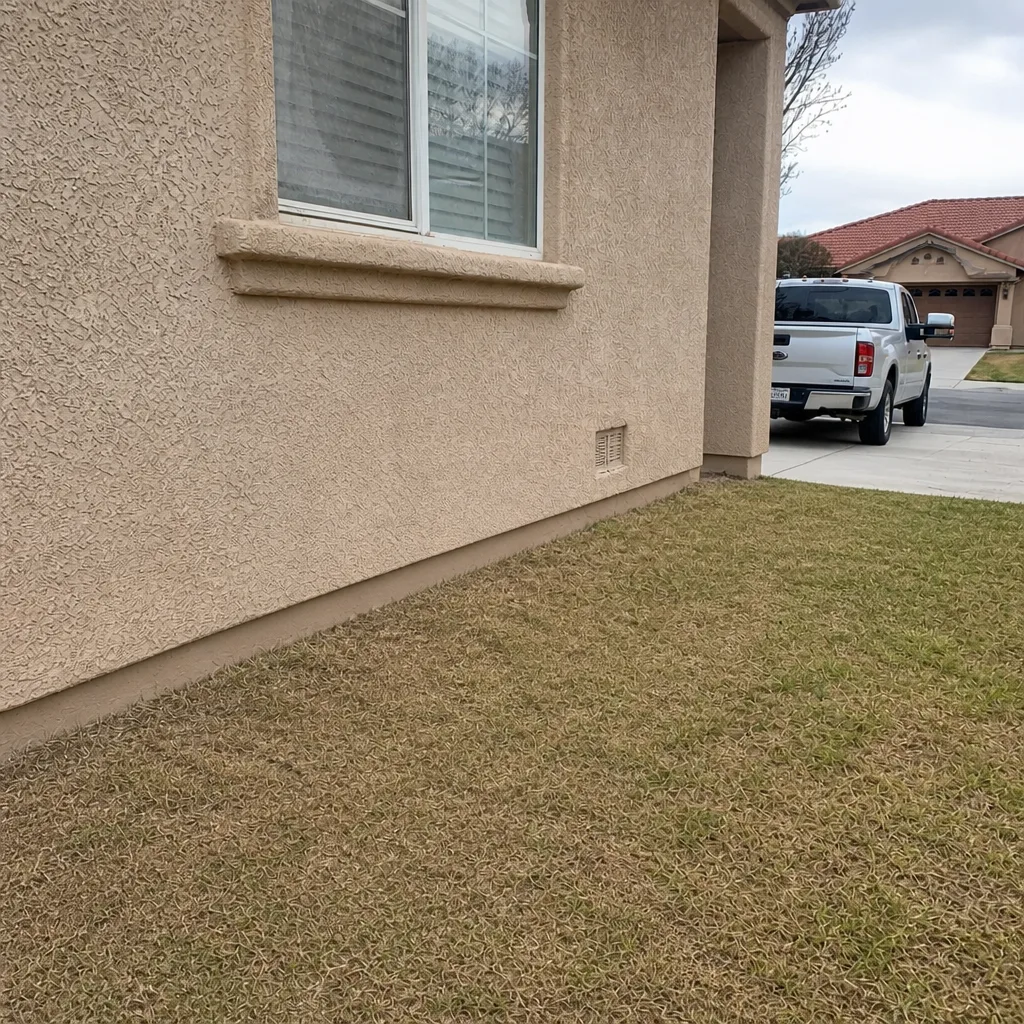
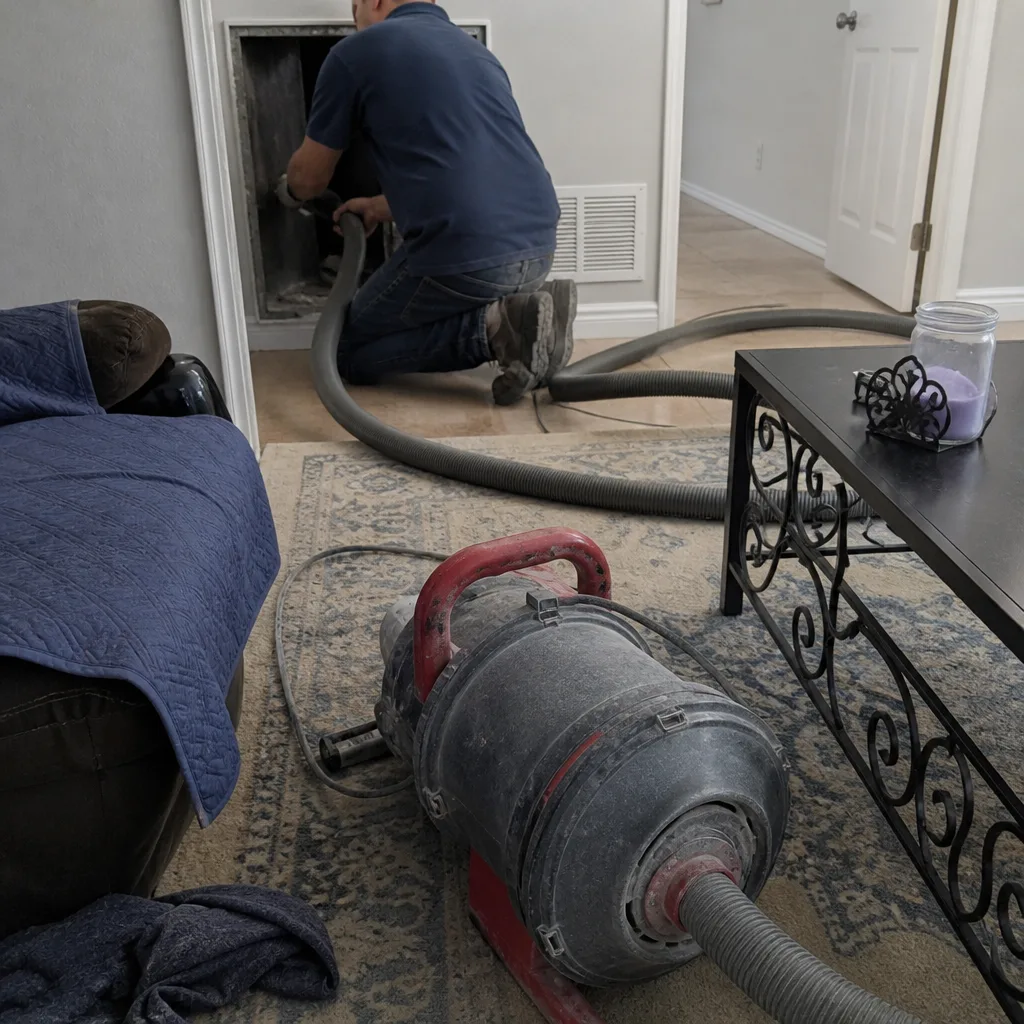
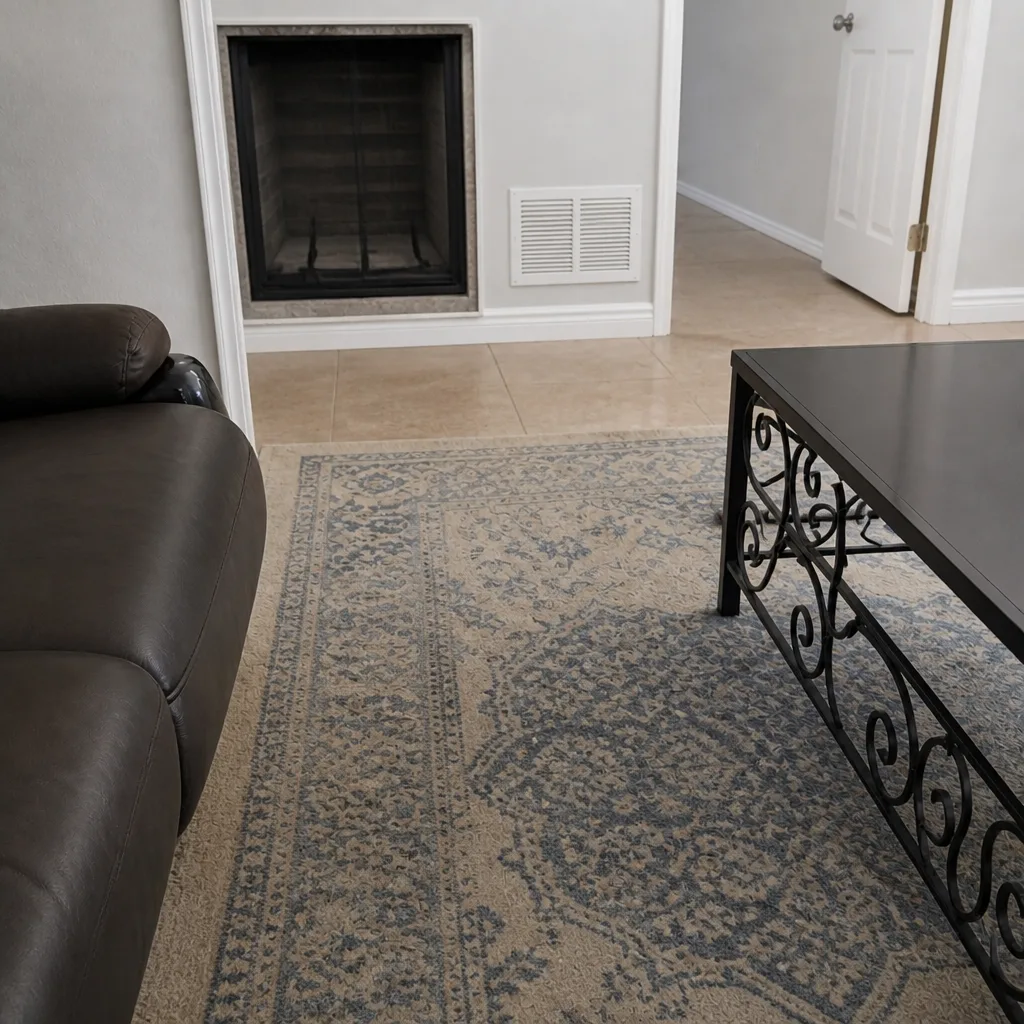
Whole-system duct and dryer vent check with before-and-after photos - you see exactly what came out of your vents
That "$99 whole-house special" is a bait ad - the real number appears once they are in your hallway, or the "clean" is a shop-vac at the register. We photograph the inside of your ducts before and after instead.
Choosing the Right Air Duct Cleaning Brand: A Buyer’s Guide for Moreno Valley
When a duct cleaning company says they use “professional equipment,” that phrase covers everything from a $200 shop vac to a $12,000 Nikro negative air machine. The difference in what those tools actually remove from your duct system is not marginal. It’s the difference between cleaning and rearranging. This guide explains what Rotobrush, Nikro, and Abatement Technologies actually do mechanically, so Moreno Valley homeowners can ask informed questions and recognize when a contractor’s equipment matches their claims before anyone steps inside the house.
Styles & brands we work with
- Whole-home duct cleaning
- Dryer vent cleaning
- Camera inspection
- Sanitizing & deodorizing
Quick Answer
The “brand” that matters in air duct cleaning isn’t the name on the van. It’s the equipment manufacturer whose tools are doing the work inside your ducts. For most Moreno Valley homes, the strongest setup combines a contact cleaning system like Rotobrush (rotary brush agitation with simultaneous vacuum capture) with a negative air machine from Nikro or Abatement Technologies (which keeps the ductwork under negative pressure so loosened debris flows out rather than into living spaces). Ask any contractor to name their equipment brands before you book.
Table of Contents
- The Two Equipment Categories Every Homeowner Should Understand
- What a Rotobrush System Actually Does (And When It Shouldn’t Be Used)
- Nikro vs. Abatement Technologies: What the CFM and Filtration Specs Mean
- How to Verify Equipment On-Site: A Visual Reference for Homeowners
- Why Equipment Investment Correlates With Contractor Legitimacy
- What Moreno Valley’s Climate Means for Your Ducts
- The Dryer Vent Factor: Fire Safety Is Part of the Same System
- Beyond Cleaning: IAQ Products That Extend the Result
- Common Mistakes to Avoid
- When to Call a Professional
- Frequently Asked Questions
- The Bottom Line
The Two Equipment Categories Every Homeowner Should Understand
Professional air duct cleaning relies on two distinct mechanical functions. The first is contact cleaning: something physically agitates the debris stuck to duct walls. The second is negative air: a high-CFM fan pulls air backward through the duct system while the cleaning happens, capturing loosened particles through staged filtration before they can escape into your home. A complete cleaning typically requires both categories working in sequence, not either/or.
Here’s the mechanical reality. A contact system alone can dislodge debris, but without negative air capture, a portion of that debris gets redistributed elsewhere in the system or blown into rooms when the HVAC kicks on. A negative air machine alone creates excellent airflow but doesn’t remove debris that’s adhered to duct surfaces. Many cheap cleaning outfits skip one category entirely, typically the expensive negative air component, because a quality negative air machine costs several thousand dollars while a consumer shop vac costs under a hundred.
When both are deployed correctly, the sequence looks like this:
- The technician cuts an access point and connects a negative air machine to the supply or return side of the system, sealing off remaining registers.
- The machine pulls a continuous vacuum on the entire duct run, creating inward airflow at every opening.
- A contact cleaning tool, typically a rotary brush system, agitates the duct walls section by section.
- Loosened debris is carried by the negative airflow into the machine’s filtration stages rather than drifting out of the ductwork.
- After agitation, the negative air machine runs briefly longer to clear residual suspended particles.
- Access points are sealed, registers are replaced, and the system is tested for proper airflow.
In our experience, homes around Moreno Valley that haven’t been cleaned in a decade or more almost always require both categories. The arid inland climate produces a fine dust that settles and adheres to duct interiors, and that adhesion is exactly what separates contact cleaning from simple vacuuming.
What a Rotobrush System Actually Does (And When It Shouldn’t Be Used)
Rotobrush is a brand name for a specific design: a motorized rotary brush head mounted at the end of a vacuum hose. The brush spins against duct walls, mechanically scrubbing debris loose, while the integrated vacuum captures the dislodged material in the same pass. That simultaneous brush-and-vacuum-in-one design is the key difference from older manual methods, where a technician would brush a section by hand, then go back through with a separate vacuum line. The combined approach is faster and leaves less debris suspended between steps.
The system works well on rigid sheet metal ducting, which is what most Moreno Valley homes built in the 1980s and 1990s have running through their attics and crawl spaces. The rotating brush heads are sized to specific duct dimensions and can follow the straight runs and gentle elbows common in residential systems.
But there are situations where a rotary brush should not be used, and a qualified technician will check first:
- Deteriorating duct board: compressed fiberglass duct board from older installations can crumble under aggressive agitation. A gentler approach using lower-contact tools or manual brushing is required.
- Damaged flex duct liner: flexible ducting with torn or degraded inner liners can catch brush heads, causing further damage. The duct may need repair or replacement before cleaning is attempted.
- Loose or disconnected sections: any separated duct joint needs to be identified and addressed. Rotating a brush through a disconnected section can push debris into the attic cavity instead of the vacuum line.
- Ducts smaller than 4 inches in diameter: the standard rotary brush heads should not be forced into undersized ductwork.
This is one of the practical reasons why Duct Cleaning Moreno Valley does a visual inspection of accessible duct sections before starting a cleaning. The right equipment for rigid metal ducting is not automatically the right equipment for aging flex duct, and a professional-grade Rotobrush system on the truck is only part of the equation. Knowing when not to run it is the other part.
Nikro vs. Abatement Technologies: What the CFM and Filtration Specs Mean
Negative air machines are rated by CFM (cubic feet per minute of airflow) and by filtration stages. Both numbers matter, but they matter for different jobs. Nikro and Abatement Technologies both manufacture legitimate negative air machines used in professional duct cleaning and remediation work, yet they tend to be optimized for somewhat different scenarios.
Nikro units are the workhorse of residential duct cleaning. A typical professional Nikro negative air machine runs in the 2,000 to 4,500 CFM range, which is appropriate for the duct volume in a single-family home. They use multi-stage filtration, typically a pre-filter for large debris followed by progressively finer stages, with HEPA as the final stage on many models. The practical result: a Nikro unit can pull the volume of air needed to maintain negative pressure across a full residential duct system while capturing the dry, fine particulate that dominates Moreno Valley‘s indoor air.
Abatement Technologies equipment is designed for more demanding containment work: mold remediation, fire smoke cleanup, and environments where air scrubbing has to happen in occupied or sensitive spaces. These units often feature additional HEPA stages, heavier construction, and are rated for continuous operation over longer periods. The CFM ratings vary by model, but the filtration emphasis differs: Abatement gear is built to trap the sub-micron particles that matter in smoke and microbial remediation, not just the visible dust of standard duct cleaning.
For a typical Moreno Valley homeowner, the practical difference is this: a company that carries Abatement Technologies filtration equipment has invested in capability beyond basic duct brushing. It signals that they’re prepared for situations where air quality concerns extend into containment-level work. That’s not a typical cleaning scenario, but it’s a useful signal about the company’s overall approach to air quality. A company that carries both categories, Nikro for standard residential cleaning and Abatement for escalated filtration demands, is equipped for the full range of what dryer vent cleaning and duct work can uncover.
How to Verify Equipment On-Site: A Visual Reference for Homeowners
You don’t need to be an HVAC technician to recognize professional equipment when it arrives. Here’s what to look for at your door.
A real negative air machine is large. A Nikro or Abatement Technologies unit typically stands waist-high or taller, sits on wheels or a frame, and requires a dedicated power connection. It has a large inlet port, usually 8 to 12 inches in diameter, where a heavy flexible hose connects. There’s a control panel with switches, a filter gauge, and visible filter housings. When it runs, you’ll hear the kind of airflow that moves your shirt from several feet away. It is not a box you can carry under one arm.
A commercial shop vac is small and self-contained. It may have a HEPA sticker and a brand, but it rolls on small wheels, stands about knee-high, plugs into a standard outlet, and uses a 2-inch hose. A shop vac can move air and collect dust. It cannot maintain negative pressure across a residential duct system during cleaning. That airflow gap is the single biggest mechanical difference between cleaning a duct and rearranging the dust inside it.
Here’s a quick checklist for what to ask or observe:
- Ask the brand and model of the negative air machine. A legitimate company answers immediately. If you hear “it’s a professional system” without a brand, treat that as a red flag.
- Watch what comes off the truck. If everything fits in one trip by one person carrying small equipment, ask what CFM the vacuum system produces.
- Check for hose diameter. Professional duct cleaning hoses are thick, 8 inches or larger on the vacuum side. Thin 2-inch hoses mean consumer-grade equipment.
- Look for a filter gauge or filter housing indicators. Real negative air machines have visible filtration stages. A sealed plastic canister with no accessible filter is a shop vac design.
- Ask how they’ll maintain negative pressure. A competent answer includes sealing registers and running the machine continuously during agitation.
In Moreno Valley, where summer dust and the perennial inland dryness mean ducts accumulate fine particulate quickly, the equipment showing up on the driveway is the difference between a real cleaning and a cosmetic pass.
Why Equipment Investment Correlates With Contractor Legitimacy
Professional-grade duct cleaning equipment is expensive. A proper negative air machine starts in the low thousands and runs upward. A Rotobrush system is another several thousand dollars. That’s before the vehicle, insurance, training, and the cost of stocking replacement brushes and filters. None of this is optional for a company that does legitimate, repeat residential work.
Compare that to the alternatives. A consumer shop vac costs under a hundred dollars. A rental negative air machine costs a few hundred per day. Both options exist because there’s a low-bid market for duct cleaning in every city, including this one. The business math is straightforward: a company that rents equipment by the job, or worse, uses consumer tools, has a much lower fixed cost structure. That can translate to lower quotes, but it also means the company is optimizing for one-time transactional jobs rather than building a long-term reputation in a specific community.
There’s a deeper signal here. A company that has invested in name-brand equipment like Rotobrush for contact cleaning, Nikro for negative air, and Abatement Technologies for higher-filtration work has also invested in the infrastructure of legitimacy: technician training on the actual equipment, replacement parts, filter inventory, and the knowledge of when each tool is appropriate. That investment only makes sense if the company intends to keep doing residential work in the same area for years. It’s the difference between a contractor who wants your address and one who wants your referral.
In our experience, Moreno Valley homeowners who ask one question up front, “What brand of equipment will you be using on my ducts?” eliminate most of the low-bid operators immediately. The question costs nothing, and the answer reveals the entire business model.
What Moreno Valley’s Climate Means for Your Ducts
Moreno Valley sits inland, in a dry, warm climate where dust is a constant presence. The air here tends to carry fine particulate, from the natural aridity of the region as much as from the built environment. That dust enters homes through open windows, doors, and the HVAC system’s own intake, and a portion of it settles into ductwork where it accumulates over seasons of heating and cooling cycles.
Because winters here are mild, HVAC systems in Moreno Valley don’t run for long stretches of cold-weather heating. What they do run is the air conditioner, for months at a time, and that’s relevant. Extended cooling cycles mean high air volume moving through the ducts daily during summer. Higher volume means more particulate moving through the system, and more opportunity for fine dust to adhere to duct walls, particularly in the return-side ducting that carries unfiltered air from the living space to the air handler.
The practical result: duct systems in Moreno Valley tend to load up with fine, dry particulate. That material is light enough to re-enter the living space relatively easily, and it responds well to professional cleaning with the right equipment. It’s also exactly the kind of material that makes negative air capture so important, because a contact-only cleaning without proper extraction will just send a portion of that fine dust back into the air you’re paying to improve.
Homes in areas like Sunnymead, Edgemont, and the neighborhoods east of the 215 corridor are mostly tract construction from the 1980s onward, with metal ducting in attics. That construction style is structurally sound for professional cleaning, and it’s common enough that any experienced Moreno Valley technician has seen hundreds of comparable systems. If you’ve just moved into an older home here and don’t know the last time the ducts were touched, that accumulated inland dust is likely part of what’s circulating every time the AC cycles on.
The Dryer Vent Factor: Fire Safety Is Part of the Same System
Dryer vents are often treated as an afterthought, but they’re part of the same airflow equation. A clogged dryer vent doesn’t just make your dryer work harder, it creates a real fire risk. Lint is combustible, and when it accumulates in a vent line, the restriction raises temperatures at the dryer connection. That’s the fire hazard that gets listed in National Fire Protection Association guidance year after year.
What does this have to do with the equipment brand discussion? The same principle applies. A company that cleans dryer vents with a consumer shop vac and a manual brush from the hardware store is not achieving the same result as a company that uses professional equipment designed to reach the full length of the vent run. In many Moreno Valley homes, dryer vents run from a laundry room through an exterior wall or up through the roof, meaning 15 to 25 feet of duct that cannot be effectively cleared from just the exterior opening.
The connection between ducts and dryer vents matters for another reason. Both are part of a home’s airflow system. A home with clean supply and return ducts but a clogged dryer vent still has an airflow problem, just one that happens to carry fire risk. A full-scope company addresses the whole system in one visit: the air ducts that move conditioned air, the dryer vent that moves moisture and lint, and the structural condition of both.
Beyond Cleaning: IAQ Products That Extend the Result
A professional cleaning removes what’s already accumulated. But the question homeowners should ask next is: what keeps it from accumulating again? That’s where indoor air quality products come in, and where the equipment discussion extends beyond the cleaning truck.
Honeywell and Aprilaire are two of the most established names in residential IAQ. Both make products that integrate with existing HVAC systems: media air cleaners, filtration upgrades, and humidity management solutions. The relevance to duct cleaning is straightforward. A higher-efficiency filtration system captures more of the particulate that would otherwise settle into your freshly cleaned ductwork. It’s the difference between cleaning and maintaining, between a one-time service and an actual improvement in the air you breathe year-round.
Here’s the practical sequence we recommend for Moreno Valley homeowners:
- Clean first. Installing filtration upgrades before cleaning just means running clean air through dirty ducts.
- Repair leaks and gaps. Duct leakage pulls unfiltered attic air into the system, which defeats filtration no matter how good it is.
- Upgrade filtration. A Honeywell or Aprilaire media filter upgrade captures more of what enters the system going forward.
- Consider humidity. In a dry climate like Moreno Valley, humidity concerns are more about winter static and comfort than mold, but a balanced system still helps overall air quality.
Not every homeowner needs IAQ upgrades. For someone with allergies, young children, pets, or a high-dust property, the combination of professional cleaning followed by a filtration upgrade is a materially different outcome than cleaning alone. And it’s a conversation any equipment-serious company should be able to have, because they already understand the airflow and filtration mechanics involved.
Common Mistakes to Avoid
- Quoting per-vent pricing. Companies that price per vent create an incentive to skip areas or rush through the job. A legitimate company quotes the whole system, not a menu of line items that can balloon mid-job.
- Believing a low coupon price is the final price. The classic duct cleaning bait-and-switch is a low teaser rate that becomes a much larger invoice once the technician is in the driveway. Ask for the whole-system price before scheduling.
- Not asking what equipment will actually be used. “Professional equipment” is marketing language. Ask for brand names. A Rotobrush or Nikro unit is verifiable; a vague answer is not.
- Skipping the visual before-and-after. A legitimate company can show you the inside of your ducts before and after cleaning. If they can’t or won’t, ask why.
- Treating price as the only factor. The difference between a $200 cleaning and a $500 cleaning is usually the equipment, the thoroughness, and the time spent. In the duct cleaning business, the cheapest quote is often the most expensive in the end.
- Ignoring dryer vents because they’re “separate.” Dryer vents are part of the same airflow system and a genuine fire hazard when neglected. A company that offers both under one roof saves you from coordinating two contractors.
- Assuming all ducts can handle aggressive brushing. Old flex duct or deteriorated duct board requires a gentler approach. A technician who asks about your duct material before running a rotary brush is doing it correctly.
When to Call a Professional
Some signs are clear enough that waiting doesn’t improve anything. Visible dust blowing from registers when the system kicks on, unexplained respiratory irritation that improves when you leave the house, a dryer that takes two cycles to finish a load, and homes where renovation or construction happened without duct protection afterward are all signals that the system needs attention. If you’ve just moved into a Moreno Valley home and can’t verify when the ducts were last cleaned, that’s a strong starting point too. Duct Cleaning Moreno Valley offers free estimates in Moreno Valley. Call (877) 387-1334. We answer 24/7. Fast dispatch from 7am to 7pm, Sunday through Friday.
Frequently Asked Questions
For a typical single-family home in Moreno Valley, a professional whole-system air duct cleaning typically runs several hundred dollars, with the final price set by a written estimate that accounts for the number of systems, home size, and accessibility. You should receive one flat price per system agreed to before work starts. Call (877) 387-1334 for an exact quote on your Moreno Valley home.
Cheaper quotes usually mean cheaper equipment, fewer steps, or both. A company running a consumer shop vac instead of a negative air machine has lower costs, but also does not actually remove the debris that matters. The quote might be lower, but the result is not comparable.
A Rotobrush system uses a motorized rotary brush that physically scrubs the duct walls while the integrated vacuum captures loosened debris in the same pass. A regular vacuum simply sucks air; it does not agitate the layer of adhered dust that builds up on duct surfaces.
Ask for before-and-after photos of your duct interiors. Any legitimate company can show you visual proof of the duct walls before and after cleaning. If a company cannot or will not provide this, treat that as a significant red flag.
In Moreno Valley’s dry, dusty climate, most homes benefit from a professional cleaning every 3 to 5 years. Homes with pets, allergy sufferers, recent construction, or heavy AC use may need it more often. The best indicator is a visual inspection inside the ductwork.
Not always. Many duct cleaning companies treat dryer vents as a separate service, and some do not offer dryer vent cleaning at all. A full-scope company handles both in one visit, and dryer vent clearing should always be framed as a fire-safety measure, not just a convenience add-on.
The Bottom Line
The brand that matters in air duct cleaning is the equipment manufacturer, not the logo on the van. A Rotobrush system for contact cleaning, a Nikro negative air machine for extraction, and Abatement Technologies filtration for escalated scenarios are the mechanical backbone of a real residential duct cleaning. In Moreno Valley, where dry inland dust loads ductwork with fine particulate, that equipment is the difference between debris-free duct walls and a cosmetic pass that rearranges dust instead of removing it. Ask for equipment brands before you book. Professional-grade equipment, not improvised tools, is the standard that separates legitimate work from the low-bid noise.
Written by the team at Duct Cleaning Moreno Valley, serving Moreno Valley since 2016.
See the difference
 Before
 After
 Before
 After
 Before
 After