
Last updated November 4, 2026
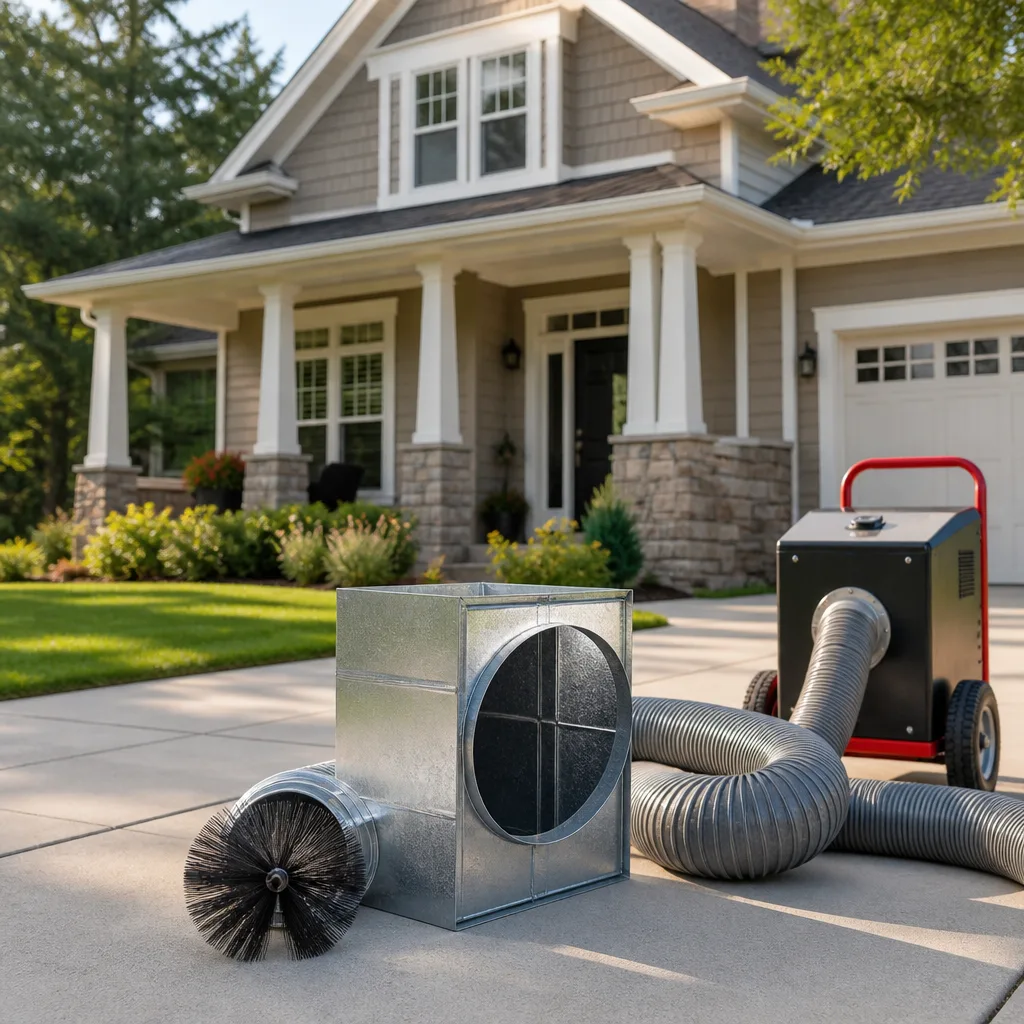 Whole-home duct cleaning
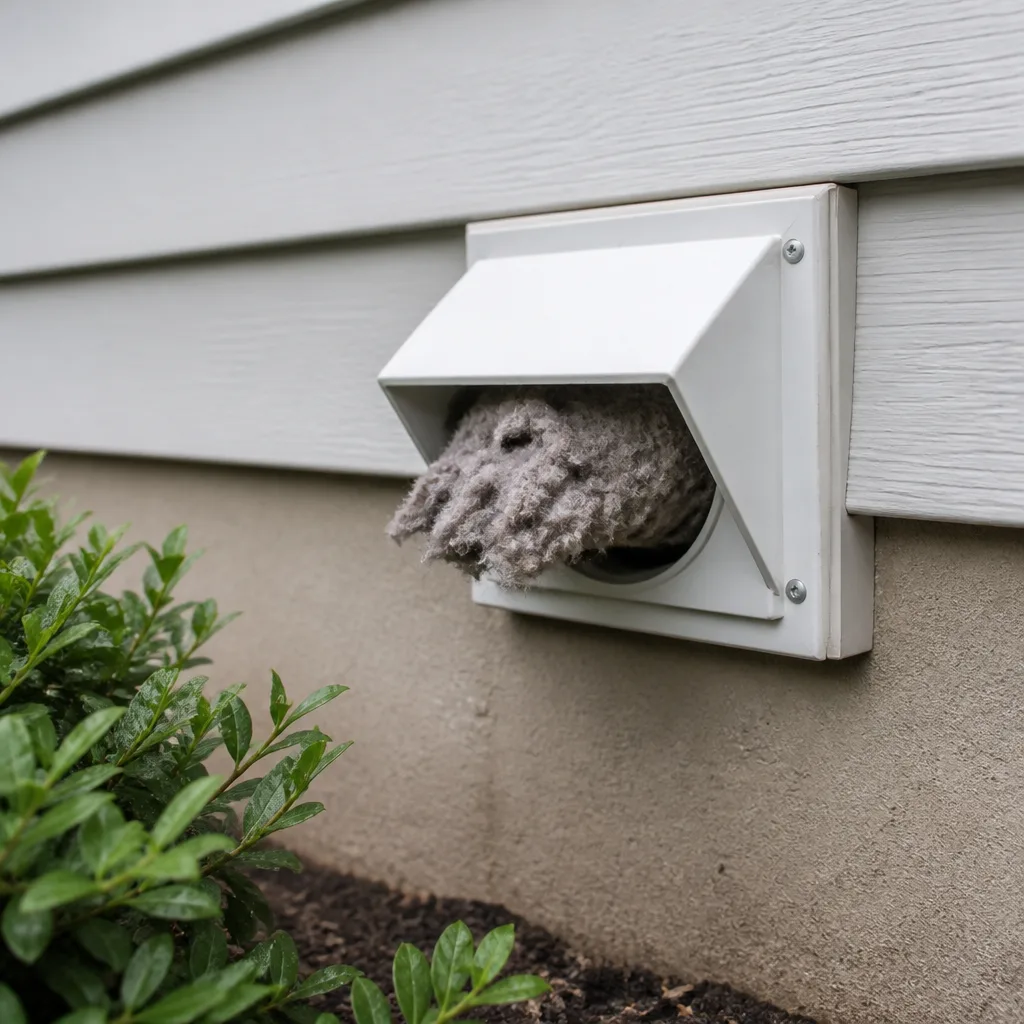 Dryer vent cleaning
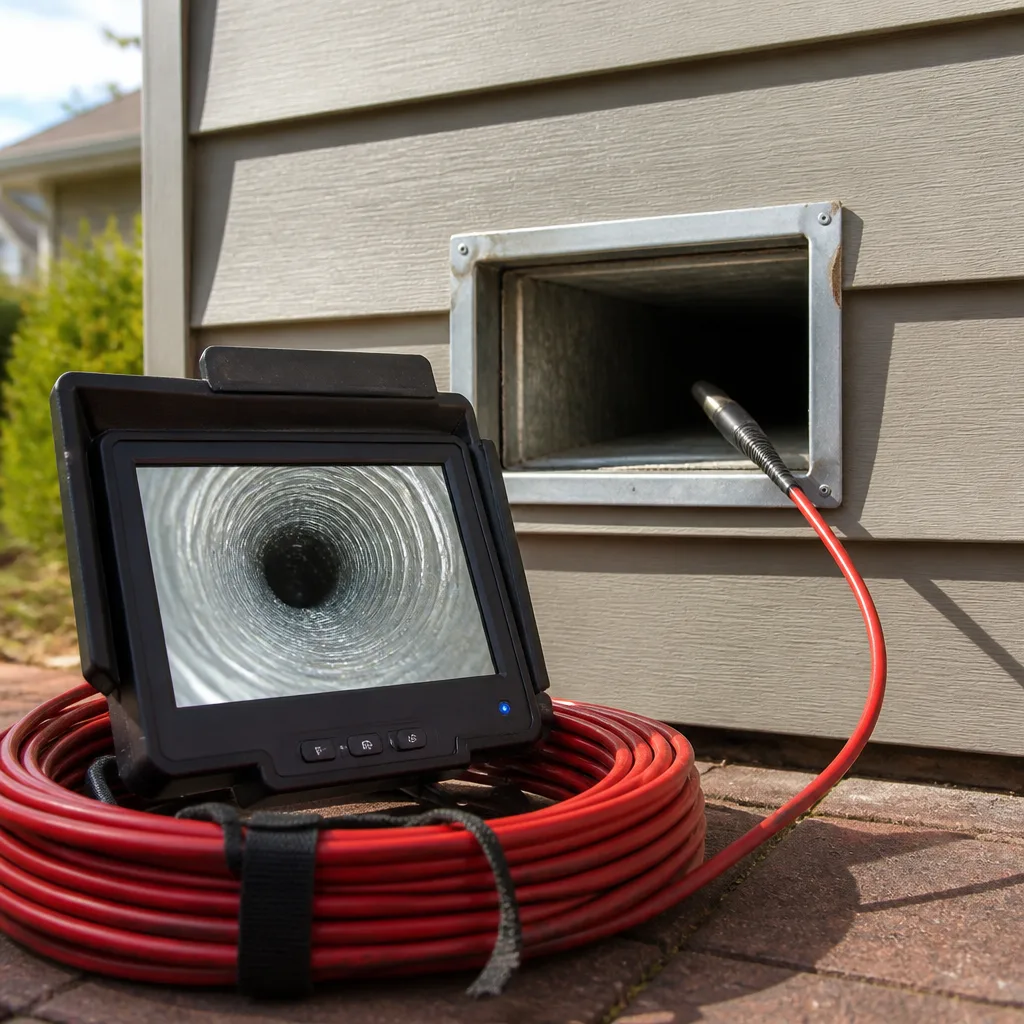 Camera inspection
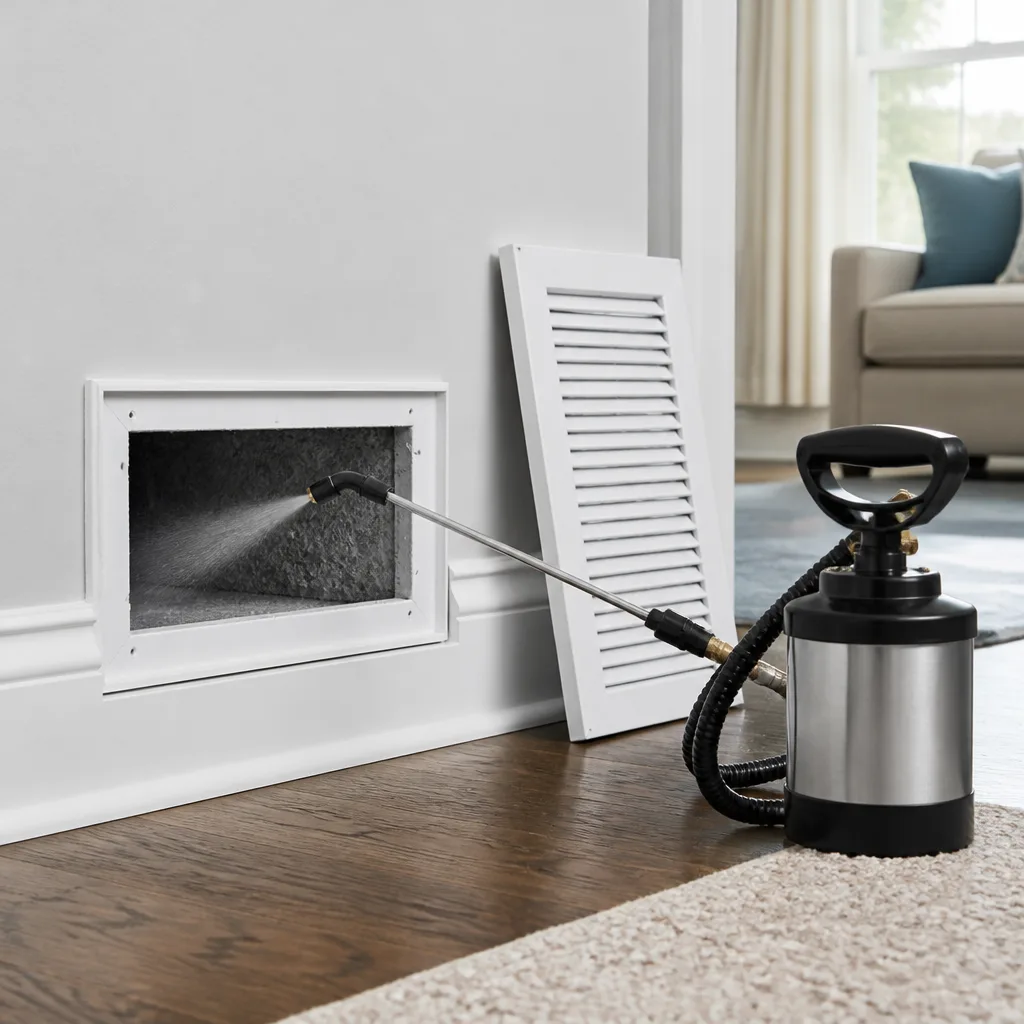 Sanitizing & deodorizing
Whole-system duct and dryer vent check with before-and-after photos - you see exactly what came out of your vents
That "$99 whole-house special" is a bait ad - the real number appears once they are in your hallway, or the "clean" is a shop-vac at the register. We photograph the inside of your ducts before and after instead.
Air Duct Cleaning Troubleshooting in Moreno Valley: Common Problems and How to Fix Them
Replacing an air filter won’t fix a collapsed flex duct section, but that’s exactly what most homeowners try first when one room refuses to cool down. We’ve walked into Moreno Valley homes where the filter was brand new, the thermostat was set correctly, and the real problem was a crimped duct run buried in the attic. This guide maps the symptoms you’re actually seeing (weak airflow, musty smells, rooms that never match the thermostat) to the mechanical source behind them, so you can troubleshoot intelligently before spending money on the wrong fix.
Quick Answer
Most duct problems in Moreno Valley fall into three buckets: dirty ducts (restricted airflow, dust accumulation), damaged ducts (disconnected or crushed flex runs, failed tape at joints), and HVAC unit issues (clogged coils, blower problems). Each has distinct symptoms, and treating the wrong one wastes money. This guide walks you through how to tell them apart, which fixes you can verify yourself, and when the job calls for professional-grade equipment like the Nikro negative-pressure systems we run on every air duct cleaning job.
Styles & brands we work with
- Whole-home duct cleaning
- Dryer vent cleaning
- Camera inspection
- Sanitizing & deodorizing
Table of Contents
- Symptom-to-Cause Mapping: Dirty Ducts vs. Damaged Ducts vs. HVAC Problems
- Weak Airflow in One Room: How to Spot a Crimped or Disconnected Flex Duct
- Musty Smells After Cleaning: Mold, Debris, or a Wet Evaporator Coil?
- Uneven Room Temperatures: What the Inland Empire Heat Does to Duct Tape
- Dust Returning Weeks After Cleaning: What’s Actually Happening
- When Troubleshooting Reveals You Need a Full Negative-Pressure Cleaning
- Dryer Vent Warning Signs: A Separate Problem That Masks as a Duct Issue
Symptom-to-Cause Mapping: Dirty Ducts vs. Damaged Ducts vs. HVAC Problems
Here’s the core distinction most troubleshooting guides skip: your duct system has three independent failure modes, and they rarely all happen at once. Dirty ducts restrict airflow gradually. Damaged ducts create sudden, localized problems, usually in one or two rooms. HVAC unit problems affect the whole house uniformly. Learning to read which category your symptom falls into is half the diagnosis.
Dirty ducts build up over years. The symptom pattern is diffuse: every room feels slightly stuffy, dust returns to shelves within days of cleaning, and airflow from every register is weaker than it was five years ago. You won’t find one dramatically bad room. You’ll find a whole system that’s functioning at 70 percent. The fix is a full-system cleaning using professional negative-pressure equipment, not a spot vacuum job.
Damaged ducts behave differently. One room stops cooling while the room next door works fine. You might hear a whistling sound from a specific register. Or you’ll notice a bedroom that’s always ten degrees warmer than the hallway, no matter what you set the thermostat to. Damaged ducts usually involve crushed flex sections, joints that have pulled apart, or failed tape connections. These require physical repair, not cleaning.
HVAC unit problems hit the entire house at once. If every room is blowing warm air, or airflow is weak everywhere, the issue is likely at the air handler, blower motor, or evaporator coil, not in the duct runs themselves. A clogged evaporator coil, for instance, will restrict airflow through the entire system while spreading a musty smell through every register in the house.
Moreno Valley’s climate complicates this. Our long cooling season means systems run hard from May through October, and that sustained heat cycling ages duct connections faster than in milder climates. We’ll get into that more below.
- Whole-house weak airflow: Check the coil and blower before the ducts
- One room failing: Inspect the flex run feeding that room
- Whole-house stuffy, dusty: Suspect accumulated debris in the duct walls
- Sudden musty smell everywhere: Wet evaporator coil, not dirty ducts
Weak Airflow in One Room: How to Spot a Crimped or Disconnected Flex Duct
A disconnected flex duct is the most common structural duct failure we find in Moreno Valley homes, and it’s something you can diagnose yourself with a flashlight and about fifteen minutes. Here’s the sequence to follow.
- Turn the system on and walk to the problem room. Hold your hand directly over the register. If airflow feels noticeably weaker than in adjacent rooms, note exactly how weak. A 50 percent reduction or more strongly suggests a structural problem, not a cleaning issue.
- Listen at the register. A disconnected duct often produces a faint flapping or rumbling sound as air escapes into the attic or wall cavity instead of through the register.
- Check accessible attic sections. Take a flashlight into the attic and trace the flex duct from the supply plenum to the problem room. Look for sections that dip sharply, kink at bends, or rest on attic joists at sharp angles. Flex duct should have gentle curves; any pinch point restricts airflow significantly.
- Feel along the duct run. With the system running, run your hand along the flex duct. If you feel cold air leaking at a joint, that connection has failed. This is wasted conditioned air spilling into your attic, and it explains both the weak register airflow and often a spike in your cooling bill.
- Check the register boot. Sometimes the flex duct is fine, but the sheet-metal boot connecting it to the register has pulled away. Shine your flashlight around the boot; gaps here leak air into the wall framing.
If you find a crimped or disconnected section, the fix involves either reconnecting the flex duct to its collar, replacing a crushed section, or properly supporting the run so it doesn’t sag and kink again. This is repair work, not cleaning. Our Duct Cleaning Moreno Valley team handles both in a single visit, which means you’re not scheduling one company to diagnose, another to repair, and a third to clean.
Musty Smells After Cleaning: Mold, Debris, or a Wet Evaporator Coil?
Here’s a scenario we hear from Moreno Valley homeowners more often than you’d expect: they had their ducts cleaned, the musty smell went away for a few weeks, and then it came back. They assume the cleaning didn’t work. Usually, the cleaning did exactly what it was supposed to do, and the smell is coming from a source the duct cleaning couldn’t address.
Three distinct things cause musty odors in duct systems, and each requires a different response.
Mold in the ducts is the rarest of the three, despite what alarmist marketing suggests. Mold requires sustained moisture and an organic food source. Dry Southern California ductwork typically doesn’t provide that. When mold is present, it’s usually localized near a condensation point or an old water leak. Confirmed mold in ducts requires professional remediation with containment, which is where a company running Abatement Technologies air filtration equipment makes a real difference.
Debris accumulation is the most common cause of persistent musty smells in Moreno Valley. Years of dust, pet dander, and skin cells build up in the duct walls and act like a sponge for humidity. When the system runs, that damp organic layer warms up and releases an odor that’s often described as “dirty socks” or “old house.” The fix is a thorough negative-pressure cleaning that removes the debris layer, not just a surface brushing.
A wet evaporator coil produces a smell that closely mimics moldy ducts, and here’s the tell: the smell gets worse when the AC first kicks on, then fades as the system runs. That’s because the coil is releasing stored moisture into the airstream. A wet coil usually means a clogged condensate drain line or a dirty coil that’s not draining properly. This is an HVAC issue, not a duct issue, and cleaning the ducts won’t touch it. The coil itself needs to be cleaned and the drain cleared.
In our experience walking Moreno Valley attics, the odor source is about half coil-related and half debris-related. Mold is genuinely uncommon in our climate, though it does occur in homes with chronic leaks or inadequate ventilation.
Uneven Room Temperatures: What the Inland Empire Heat Does to Duct Tape
Moreno Valley attics routinely hit 130 degrees in August. That’s not an exaggeration, it’s just what happens when the sun beats on a dark shingle roof for fifteen hours a day. And that sustained heat has a specific effect on duct systems: it degrades the adhesive on standard duct tape connections.
Here’s what happens. Flex duct sections are connected to sheet-metal collars and plenums with tape, or they should be. In modern installations, that tape is typically foil tape or mastic designed for high-temperature HVAC applications. But in older Moreno Valley homes, and unfortunately in some newer ones built on tight budgets, installers used generic cloth duct tape, the same gray tape you’d buy at a hardware store.
Cloth duct tape is not rated for sustained attic heat. The adhesive dries out, loses its grip, and eventually releases. The tape doesn’t fail dramatically in one moment. It peels back gradually over one or two summers. Once it lets go, conditioned air escapes at the joint, and you get the classic symptom pattern: one bedroom that never cools down, a hallway that’s fine, and a power bill that creeps upward every July.
The fix is mechanical, not chemical. Failed tape connections need to be cleaned, re-taped with proper foil tape or sealed with mastic, and reinforced so they don’t fail again in the next heat cycle. We repair these connections regularly as part of our dryer vent cleaning and duct service visits, but the duct repair itself is a distinct service from cleaning.
If your home was built before about 2010, and you have rooms that never match the thermostat, failed tape at the supply plenum or branch connections is worth checking before you spend money on anything else.
Dust Returning Weeks After Cleaning: What’s Actually Happening
We often hear this from Moreno Valley homeowners who used a low-bid cleaning service: “The dust came back in three weeks.” They conclude that duct cleaning doesn’t work. What actually happened is that the cleaning didn’t achieve what a proper cleaning should.
Professional duct cleaning uses negative-pressure equipment, typically a Nikro vacuum system connected to the main trunk line, combined with rotary brush agitation. The brush loosens debris from the duct walls, and the negative pressure pulls it out of the system rather than pushing it around.
A shop vac pushed through a register can’t do that. It reaches the first few feet of duct and leaves the rest untouched. What the homeowner sees is a brief improvement, followed by the remaining debris breaking loose and recirculating. The dust doesn’t “return.” It was never removed in the first place.
Here’s a test: after any cleaning, run your system for twenty minutes and then check the return air grille. If the filter is already visibly loaded with dust, the cleaning didn’t remove the debris; it just stirred it up. A proper negative-pressure cleaning should leave the filter relatively clean after the first day, because the debris was pulled out, not redistributed.
In Moreno Valley, where we get wind-blown dust from the dry hills and the 215 corridor, homeowners also underestimate how much new dust enters the system through leaks in the return path. If your return ducting has gaps, the system is pulling attic air, and whatever’s in that attic air ends up in the house. That’s why a thorough inspection matters as much as the cleaning itself.
When Troubleshooting Reveals You Need a Full Negative-Pressure Cleaning
Some homeowners start troubleshooting a simple airflow problem and end up realizing the whole system functions better after a professional cleaning. Here’s how to know when spot fixes aren’t enough and the system needs a full Nikro-level negative-pressure cleaning.
You see debris at the registers. Remove a supply register and look inside with a flashlight. If you see flaky debris coating the duct walls, that’s years of accumulated dust, skin cells, and possibly construction debris from when the home was built. Moreno Valley homes built during the construction booms often have drywall dust, sawdust, and other building materials in the ducts because the systems weren’t sealed during construction.
You’ve had recent remodeling. Running a saw inside the house loads the air with fine particulates, and your system pulls that air through the return. If you had flooring installed, drywall work, or any significant renovation and didn’t seal off the returns, those particulates are now in the duct walls.
You notice airflow from every register is weaker. A uniformly restricted system usually means debris loading on the blower wheel, evaporator coil, and duct walls. Cleaning all three restores the system’s designed airflow.
Your allergies worsen indoors. If you feel better outside than inside your own home, the duct system is likely recycling allergens. Pet dander, pollen tracked in from outside, and dust mite debris accumulate in duct walls and re-enter the air every time the system cycles.
A full negative-pressure cleaning addresses all of these at once. The equipment matters here: our Rotobrush rotary brush system agitates debris from the walls, and the Nikro negative-pressure unit pulls it out through the trunk line. This is not a process you can replicate with rental equipment or a shop vac. It’s also not something a spot repair will fix on its own.
Dryer Vent Warning Signs: A Separate Problem That Masks as a Duct Issue
Here’s a common conflation: homeowners in Moreno Valley notice lint accumulating around the laundry room, assume the HVAC ducts are dirty, and schedule a duct cleaning. But dryer vents are a separate system with separate failure modes, and confusing the two wastes time and money.
Your dryer vent runs from the back of the dryer to an exterior wall cap, carrying hot, moisture-laden air and lint out of the house. Your HVAC ducts carry conditioned air through the living space. They share nothing. They need different cleaning methods. And the stakes are different: according to NFPA guidance, dryer vent fires are among the leading causes of residential fires, a risk that HVAC duct debris simply doesn’t carry.
Watch for these dryer vent warning signs:
- Clothes take longer to dry than they used to. This is the most reliable early indicator of a restricted vent.
- The laundry room gets hot and humid while the dryer runs. The moist air isn’t being expelled properly.
- You see lint at the exterior vent cap or notice it’s not opening when the dryer runs.
- A burning smell in the laundry room. This is an emergency; stop using the dryer and have the vent inspected immediately.
- Visible lint accumulation around the dryer’s lint trap housing or on the floor behind the dryer.
Dryer vent cleaning is a separate service, and Moreno Valley homeowners should think of it as fire prevention rather than air quality improvement. The two systems fail independently, and each needs its own maintenance schedule.
Common Mistakes to Avoid
- Replacing the air filter to fix a one-room airflow problem. A filter restricts the whole system, not one branch run. If one room is weak, the duct feeding it is the problem, not the filter.
- Treating all musty smells as mold. Most musty odors in Moreno Valley are debris accumulation or a wet coil. Jumping to mold remediation without confirming the source leads to spending on a problem you may not have.
- Using cloth duct tape on HVAC connections. It fails in attic heat within a couple of summers. Use foil tape or mastic designed for HVAC applications, or have a professional do it.
- Assuming low-bid duct cleaning is the same service as professional cleaning. A shop vac through a register is not the same as negative-pressure extraction with rotary brush agitation. One cleans the first three feet; the other cleans the system.
- Ignoring dryer vent warning signs because the HVAC ducts seem fine. The two systems are unrelated. Dryer vents carry fire risk independent of anything happening in your HVAC ducts.
- Sealing off a room because it never cools. If you close a register to force more air elsewhere, you’re treating a symptom, not a cause, and you can unbalance the whole system while the real problem, often a failed tape connection, gets worse.
- Skipping a post-repair inspection. After any duct repair, run the system and check both the repaired room and adjacent rooms. Sometimes correcting one restriction reveals a second problem downstream.
See the difference
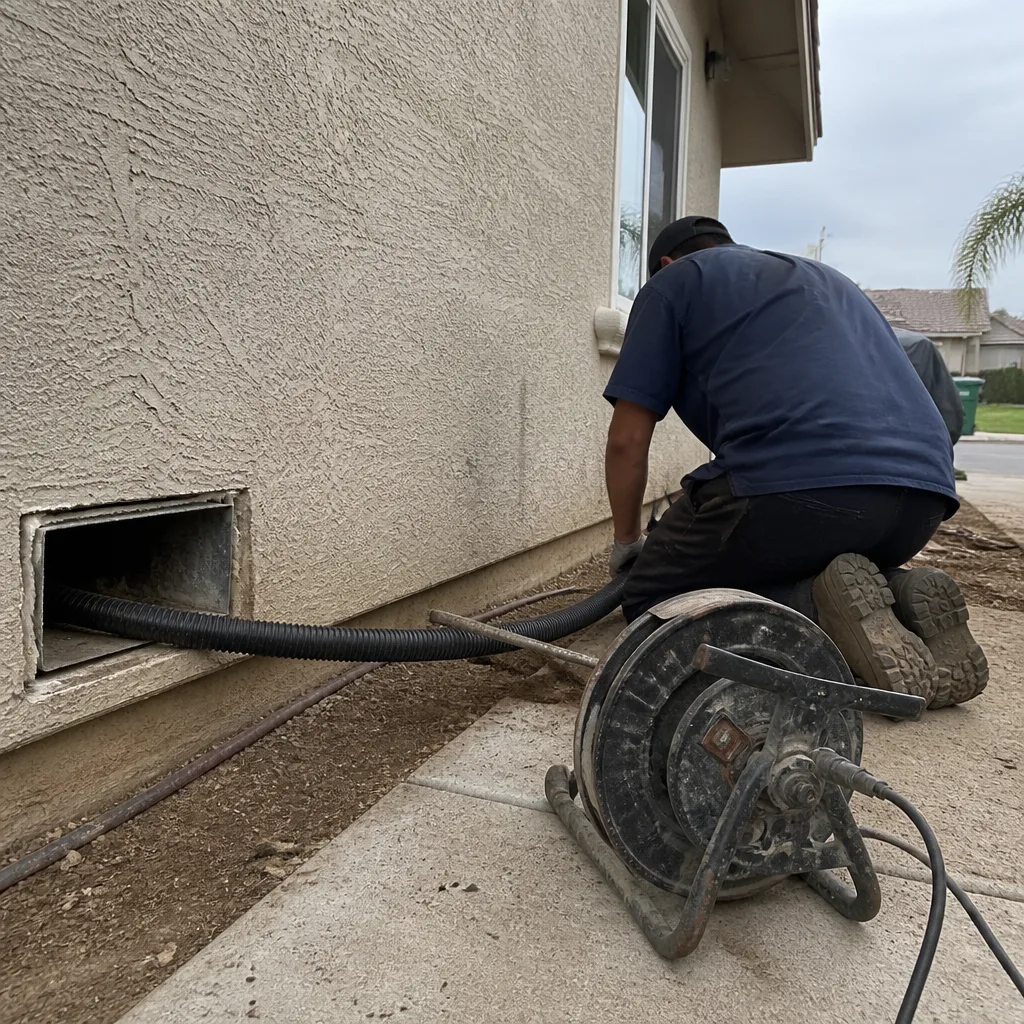 Before
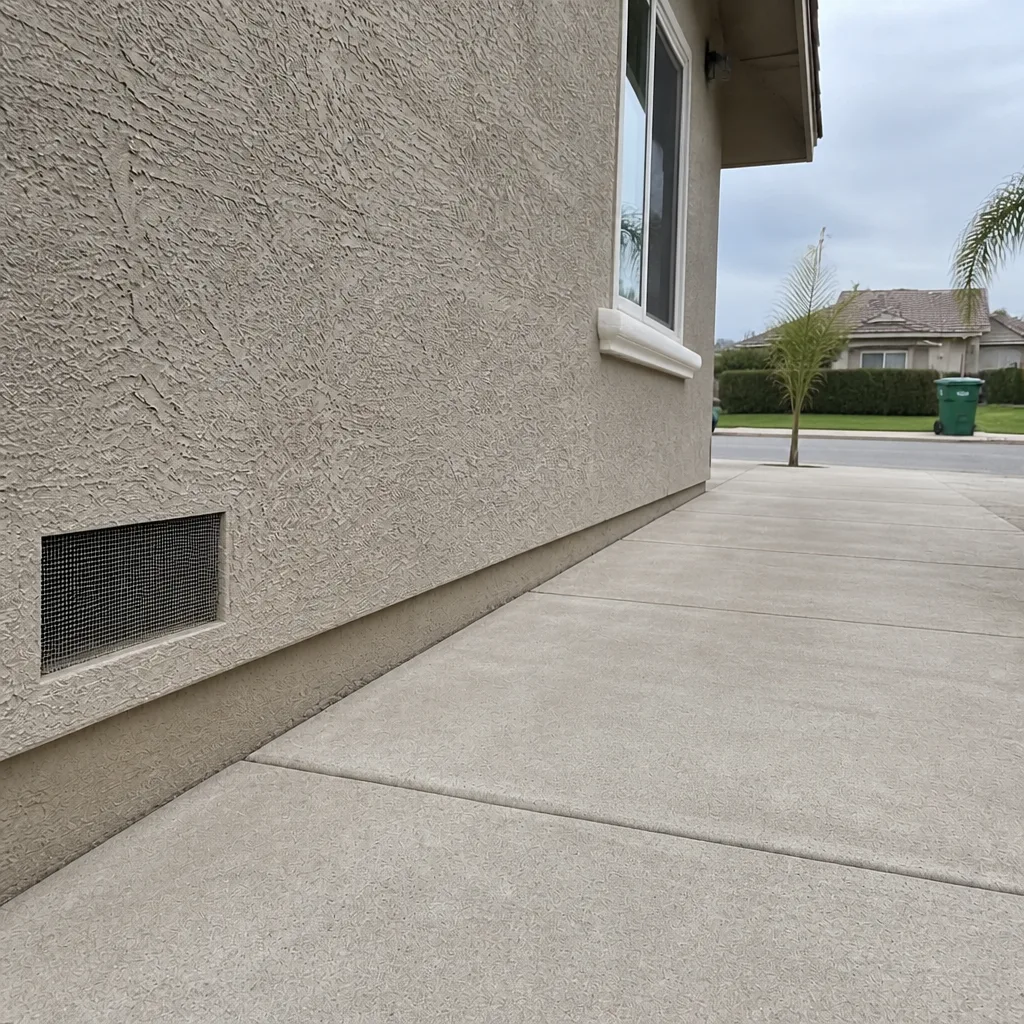 After
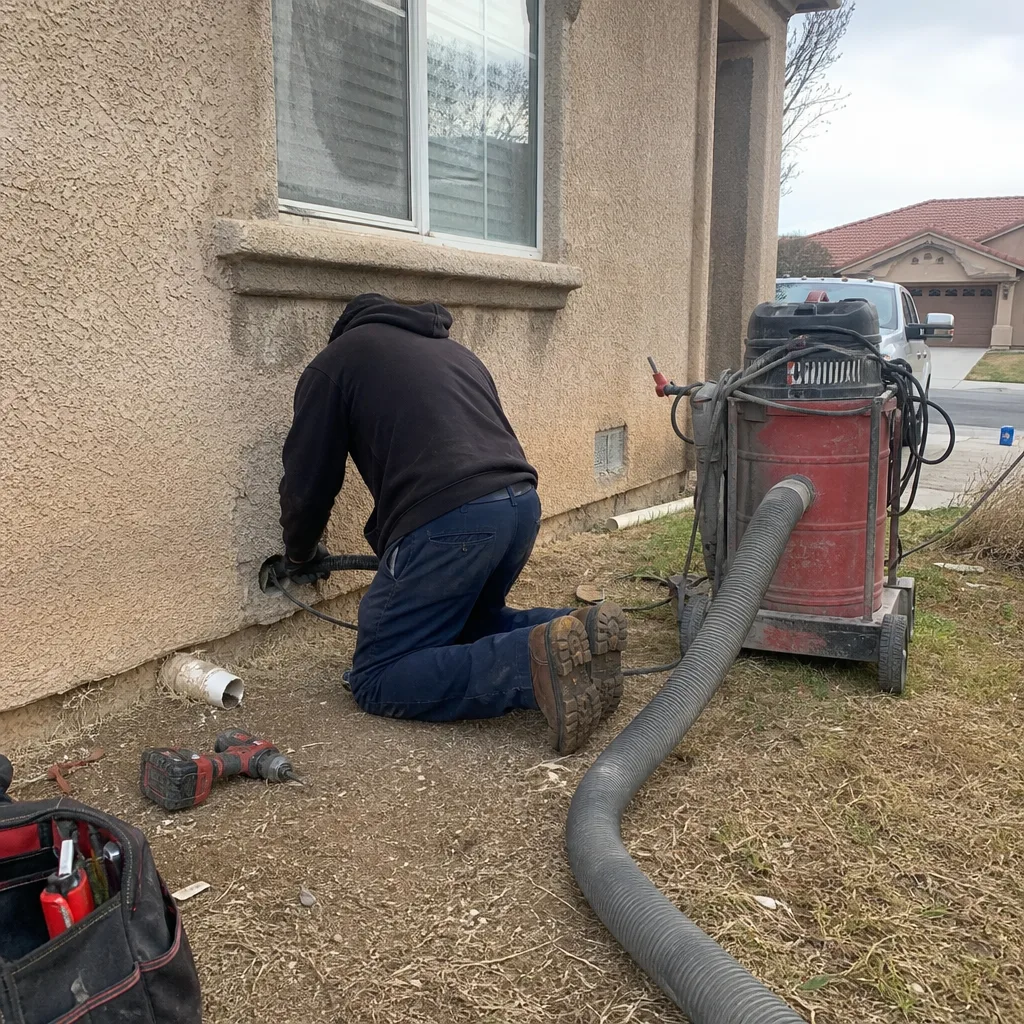 Before
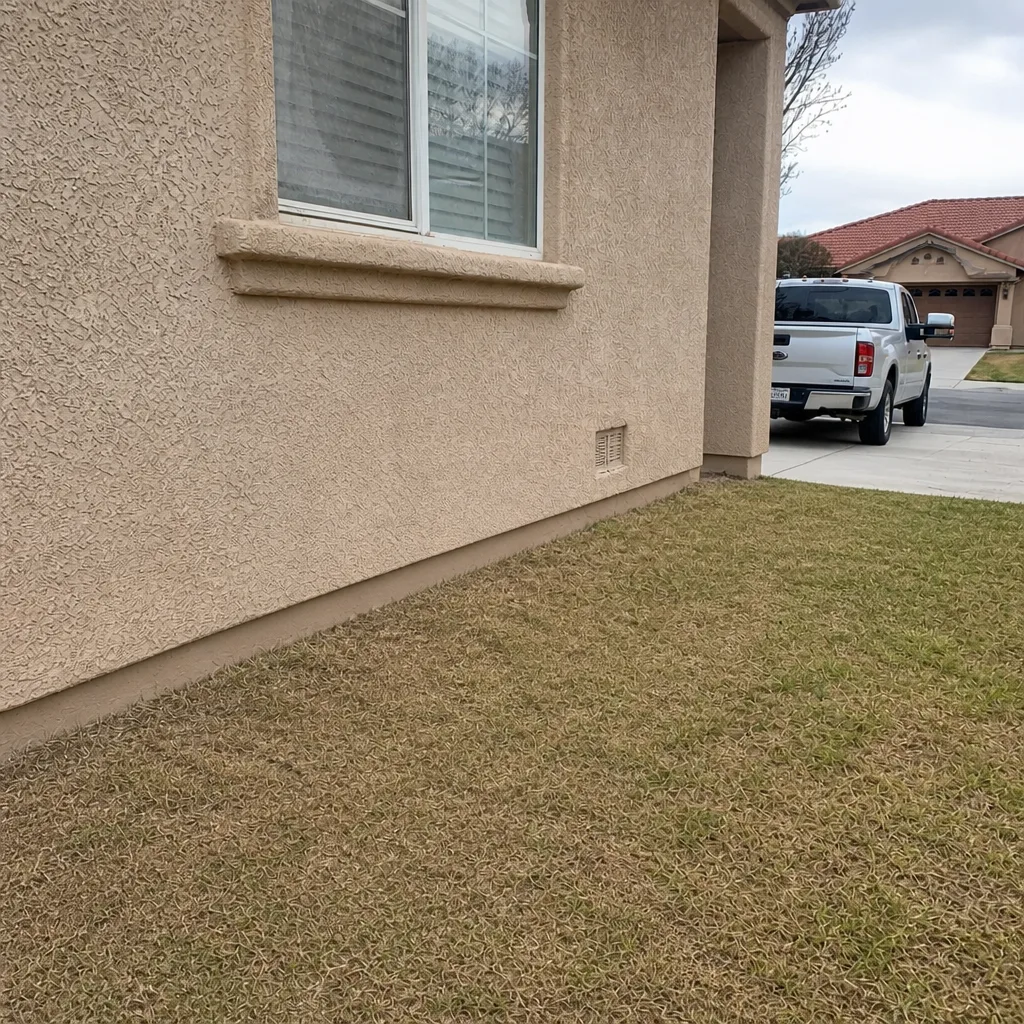 After
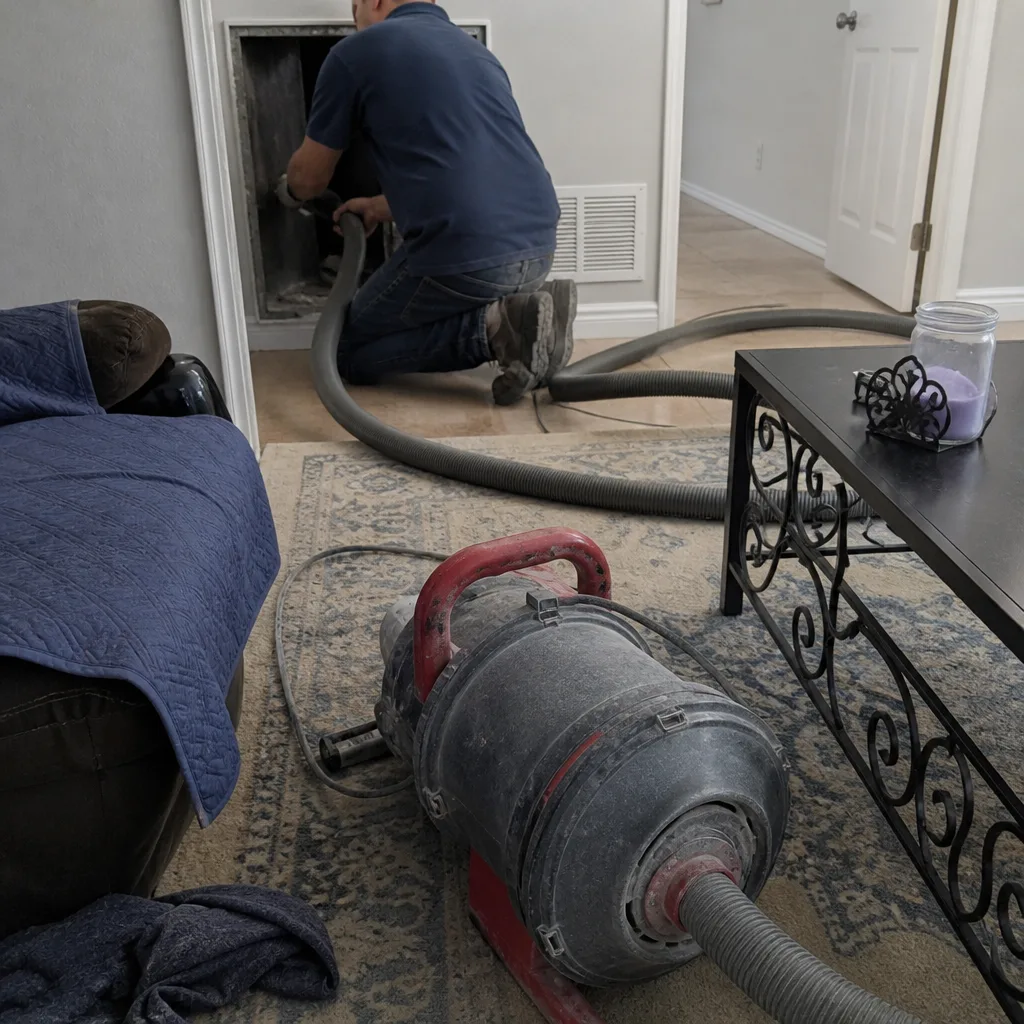 Before
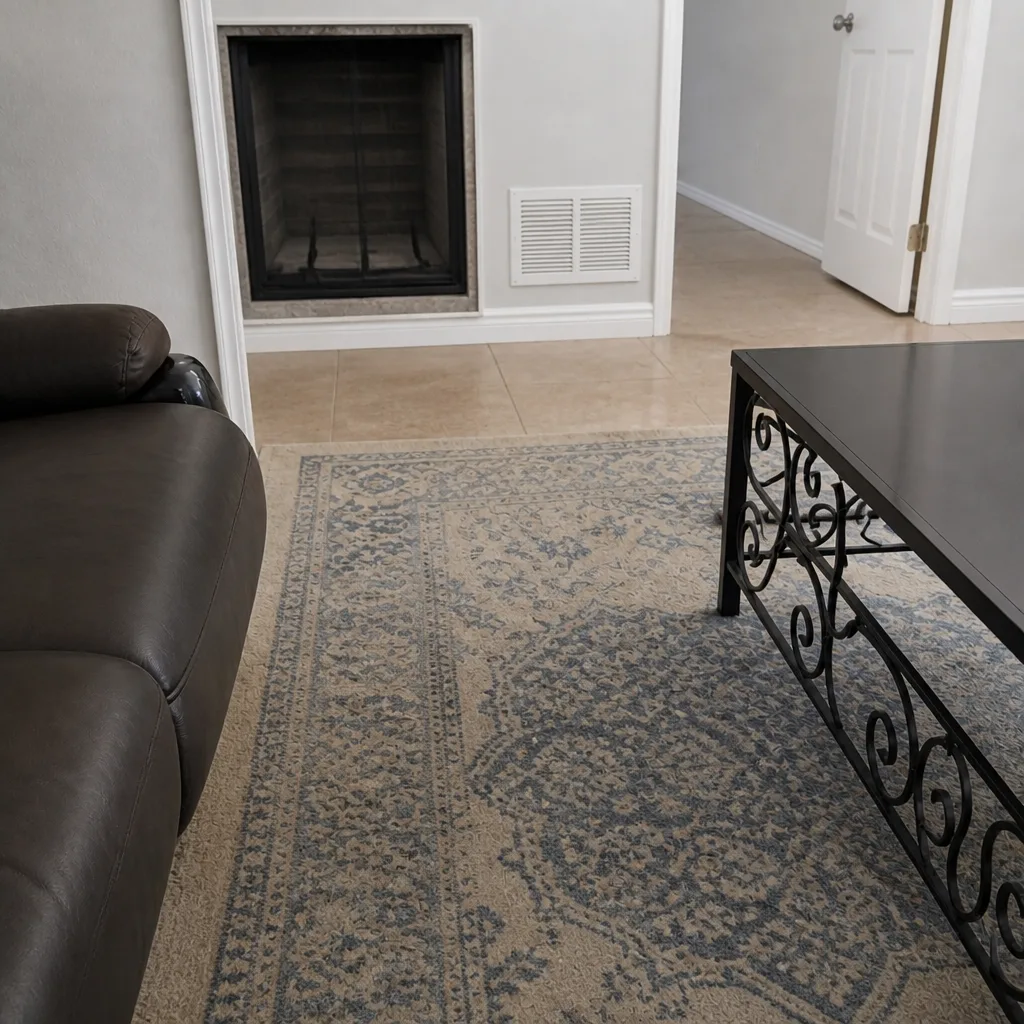 After
When to Call a Professional
Some problems genuinely require a trained eye and professional equipment. If you’ve checked the accessible duct sections and the airflow problem persists, if you’ve confirmed a disconnected or crushed flex run that needs replacement, or if you’re seeing persistent musty smells that keep returning after a basic cleaning, it’s time to bring in someone who does this full time. The same applies if you notice dryer vent warning signs: lint accumulating at the exterior cap, longer drying times, or a burning smell. Duct Cleaning Moreno Valley offers free estimates in Moreno Valley, call (877) 387-1334.
Frequently Asked Questions
Weak airflow in one room points to repair; weak airflow throughout the house points to cleaning or an HVAC unit problem. Debris visible at the registers, dust returning within days of cleaning, and allergy symptoms that worsen indoors are all cleaning indicators. A sudden change in one room’s airflow usually means a disconnected or crushed duct, which is a repair issue.
The dry inland climate generates fine dust that enters through return airflow leaks and around windows and doors. If your HVAC duct system has gaps or failed connections, the system actively pulls that dust inside and redistributes it through every room. Sealing the system and cleaning accumulated debris from the duct walls reduces the problem significantly.
A shop vac can’t reach more than a few feet into a duct run and doesn’t create the negative pressure needed to pull debris from the trunk line. The result is a partial cleaning that leaves most of the system untouched, and often stirs up debris that then recirculates. Professional negative-pressure equipment, like the Nikro systems we run, removes debris from the full length of the duct runs.
Most Moreno Valley homes benefit from a professional cleaning every three to five years, though homes with pets, recent remodeling, or households with allergy sufferers often need it more frequently. Homes that had construction debris in the ducts from the original build should be cleaned once thoroughly, then placed on a maintenance schedule based on how quickly debris re-accumulates.
The most likely causes are a wet evaporator coil, accumulated debris in the duct walls, or, less commonly, mold in the ducts. A smell that’s worst when the system first kicks on suggests a coil issue. A smell that persists evenly often points to debris. These have different fixes, and identifying the source before paying for a service prevents spending on the wrong one.
Yes. Lint accumulates inside the vent run even when the dryer appears to function normally, and that accumulation is a fire risk. NFPA guidance identifies dryer vent fires as a leading cause of residential fires. Annual dryer vent cleaning is inexpensive insurance, and the warning signs, longer drying times and excessive heat in the laundry room, often don’t appear until the restriction is already significant.
The Bottom Line
Most duct problems in Moreno Valley share a common thread: the homeowner treats a symptom instead of identifying the mechanical source. Weak airflow in one room means a structural problem in that branch run. Whole-house dust means debris in the duct walls. Musty smells mean either a wet coil or organic buildup, and those need different responses. The inland heat cycling degrades bad tape connections faster than coastal climates, and dryer vents fail independently of HVAC ducts. Learn to read which category your symptom falls into, verify what you can with a flashlight and a hand over the register, and you’ll spend repair money on the right problem the first time. When the job needs professional equipment, call (877) 387-1334. We answer 24/7. Fast dispatch from 7am to 7pm, Sunday through Friday.
Written by the team at Duct Cleaning Moreno Valley, serving Moreno Valley since 2016.